The role of the teacher in managing flexible seating arrangements
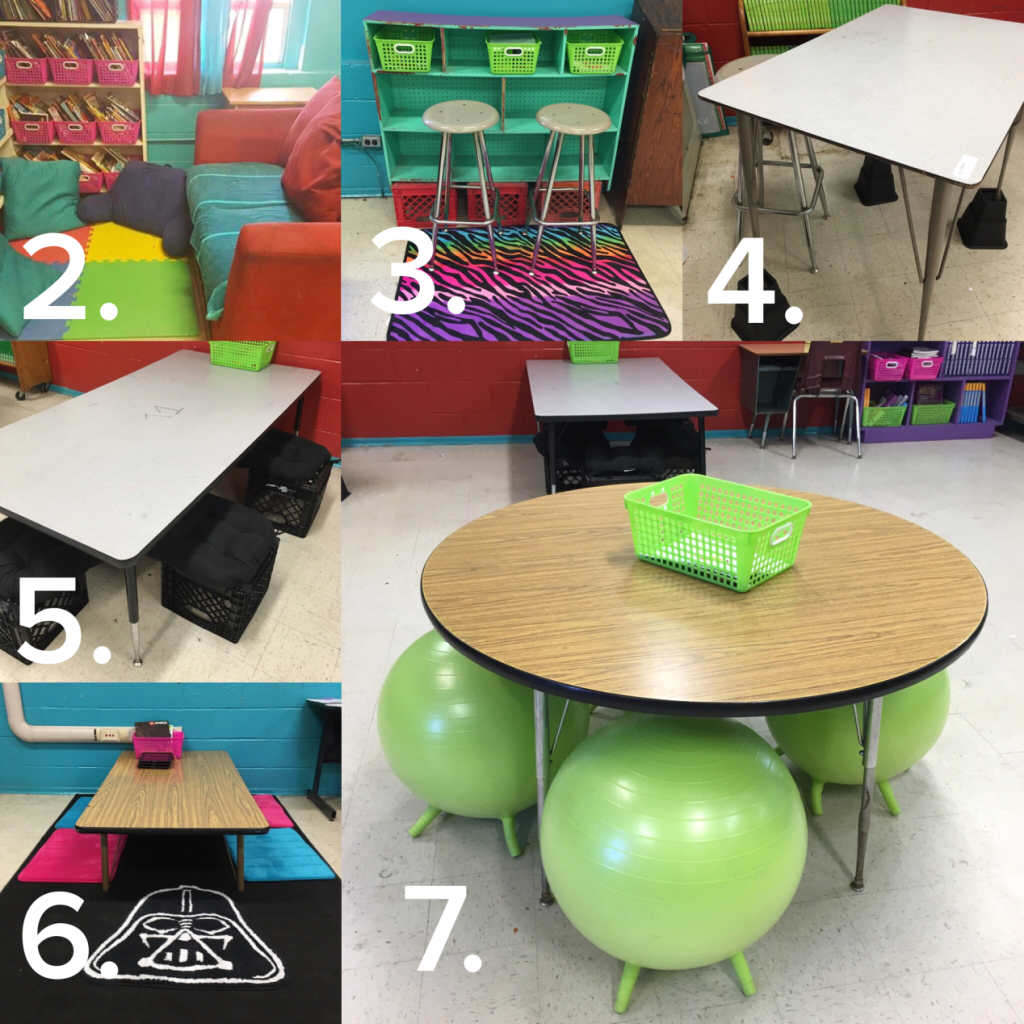
Flexible seating is a concept that has gained popularity in recent years, as educators look for innovative ways to create engaging learning environments. Traditional classrooms with rows of desks and chairs are being replaced by spaces that offer students a variety of seating options, such as bean bags, standing desks, floor cushions, or even exercise balls.
While flexible seating can have numerous benefits for students—promoting collaboration, increasing comfort, and enhancing focus—it also presents new challenges for teachers. In this article, we will explore the important role that teachers play in managing these unique classroom arrangements and ensuring a successful learning experience for all students.
1. Setting clear expectations:
One of the first tasks for teachers is to establish clear expectations regarding behavior and usage of the various seating options available. Students should understand how they are expected to use each type of seat appropriately and how to transition between different areas within the classroom.
2. Teaching responsible choice-making:
With more freedom comes greater responsibility. Teachers should guide their students on making appropriate choices when selecting their seats. This includes considering factors like noise levels (for group work or independent study), proximity to resources (such as books or technology), and personal preferences (for comfortable working conditions).
3. Creating a structured layout:
Although flexible seating encourages autonomy and movement within the classroom space, it’s essential to maintain some structure. Teachers should design a layout that allows for easy traffic flow while still promoting collaboration among groups or pairs when needed.
4. Monitoring student needs:
Teachers must remain attentive to individual student needs while implementing flexible seating arrangements. Some students may require particular accommodations due to physical disabilities or attention-related issues; therefore, it’s crucial to provide them with suitable options tailored specifically to their requirements.
5. Establishing routines:
To ensure smooth transitions between activities and minimize disruptions during class time, teachers should develop consistent routines related to flexible seating arrangements—for example, specific procedures for entering or leaving a particular seating area, or guidelines for storing personal belongings.
6. Encouraging self-regulation:
Flexible seating empowers students to take ownership of their learning environment. Teachers should encourage students to monitor and regulate themselves in terms of noise levels, respectful behavior, and maintaining cleanliness within the classroom space.
7. Promoting collaboration:
One significant advantage of flexible seating is its ability to foster collaborative work among students. Teachers can facilitate this by strategically placing seats in groups or clusters conducive to teamwork activities.
8. Incorporating movement breaks:
With flexible seating arrangements, teachers can easily integrate movement breaks into the daily routine. This helps break up long periods of sitting and promotes better focus and engagement during instruction.
9. Providing variety:
Teachers play a vital role in ensuring that there is a diverse range of seating options available to cater to different student preferences and needs. This includes considering options for both individual workspaces and larger group settings.
10. Offering choice within parameters:
While allowing students some freedom in choosing their seats, it’s important for teachers to establish limits as well—such as specifying certain areas as quiet zones or setting boundaries on specific seat capacities—to ensure an optimal learning environment for everyone.
11. Monitoring effectiveness:
Regularly assessing the impact of flexible seating arrangements is essential for teachers to make informed decisions about their classroom setup going forward. Collecting feedback from students, observing their behaviors, and analyzing academic progress can help determine if any adjustments are necessary.
12. Addressing challenges proactively:
Flexible seating may present challenges such as distractions or misuse of equipment; however, teachers should approach these issues proactively rather than abandoning the concept altogether. Engaging in open communication with students about expectations and problem-solving together will contribute positively towards overcoming any obstacles encountered along the way.
13. Encouraging reflection and feedback:
Teachers should encourage ongoing dialogue with their students regarding the benefits they observe from using flexible seating arrangements as well as areas that may need improvement. This feedback can help inform future decision-making and ensure that the learning environment continues to evolve in a way that supports student success.
14. Collaborating with colleagues:
Sharing experiences, ideas, and strategies for managing flexible seating arrangements with fellow teachers can be invaluable. Collaborative discussions allow educators to learn from one another’s successes and challenges while refining their own approaches.
15. Embracing flexibility:
Above all, teachers must embrace flexibility themselves when it comes to managing flexible seating arrangements. Recognizing that not every day will go perfectly as planned and being open to adapting plans based on individual or group needs is crucial for fostering a positive learning experience.
In conclusion, the role of the teacher in managing flexible seating arrangements goes beyond simply rearranging furniture in the classroom. It involves setting clear expectations, teaching responsible choice-making, creating structure within flexibility, monitoring student needs, establishing routines, promoting collaboration, incorporating movement breaks, providing variety and choice within parameters, evaluating effectiveness regularly, addressing challenges proactively while encouraging reflection and feedback from students. By embracing these responsibilities wholeheartedly and leveraging their expertise as educators’ teachers can create an engaging environment where students thrive academically while enjoying a sense of comfort and agency over their own learning journey.
 Alternative Amie
Leave a comment