Individualized Education Plans (IEPs): Supporting Every Student’s Unique Needs
Education is a fundamental right for all children, regardless of their abilities or disabilities. However, traditional education systems often struggle to cater to the diverse needs of students. This is where Individualized Education Plans (IEPs) come into play, ensuring that every student receives the support and resources necessary to thrive academically and personally.
What is an Individualized Education Plan?
An Individualized Education Plan, commonly known as an IEP, is a legal document developed for students with disabilities in the United States. It outlines the specific educational goals and accommodations required to meet each student’s unique needs. IEPs are tailored to address learning difficulties or disabilities such as autism spectrum disorder, attention deficit hyperactivity disorder (ADHD), dyslexia, intellectual disabilities, and more.
The Development Process:
Developing an IEP involves collaboration between various stakeholders including parents/guardians, teachers, special education professionals, school administrators, and sometimes even the students themselves. The process typically starts by identifying any concerns regarding a student’s academic performance or behavior in class. A comprehensive evaluation may be conducted to determine if they are eligible for an IEP.
Once eligibility is established based on federal guidelines outlined in the Individuals with Disabilities Education Act (IDEA), a team meeting is held with all relevant parties involved. During this meeting, information about the student’s strengths and weaknesses is shared along with their individual goals and objectives.
Components of an IEP:
1. Present Level of Academic Achievement: This section provides a snapshot of where the student currently stands academically – their strengths as well as areas requiring improvement.
2. Goals and Objectives: Measurable goals are set based on identified areas of need. These targets help track progress over time through regular assessments.
3. Specialized Instructional Services: Specific interventions or services required by the student are detailed here; these may include additional support from special education teachers, speech therapists, occupational therapists, or other professionals.
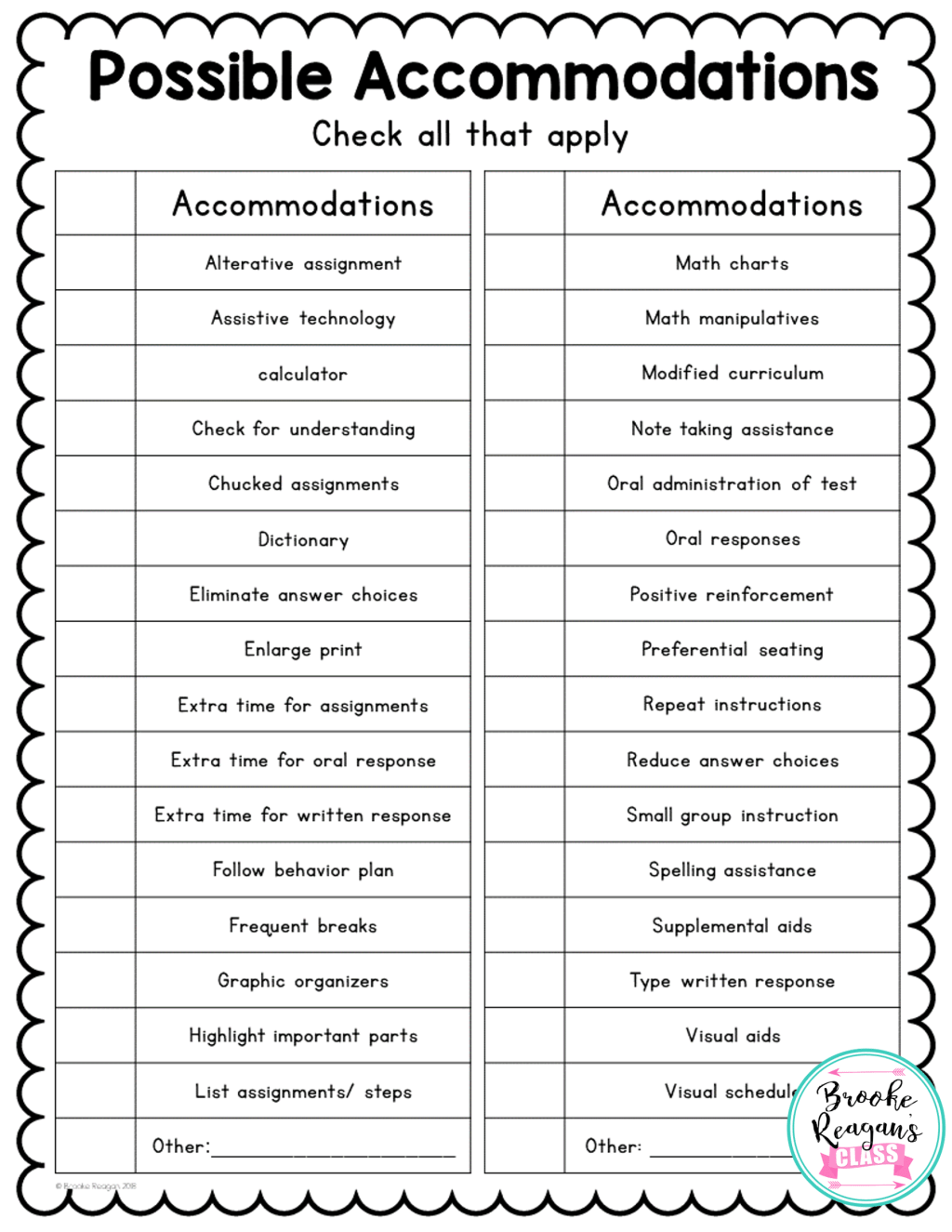
4. Accommodations and Modifications: Adaptations are provided to help students access the curriculum and participate in class activities effectively. Accommodations could include extra time for tests, preferential seating, assistive technology devices, or modified assignments.
5. Transition Plan: For older students (typically 14 years and above), a transition plan is included to facilitate their smooth transition from school to post-secondary education or employment opportunities.
Implementing an IEP:
Once the IEP is developed and all parties agree upon its contents, it is put into action. Teachers play a vital role in implementing the plan by ensuring that accommodations are provided consistently during instruction and assessments. Frequent communication among team members helps monitor progress towards each goal and allows for adjustments as needed.
Benefits of Individualized Education Plans:
1. Tailored Support: By addressing specific needs through individualized goals and strategies, IEPs ensure that students receive appropriate support tailored to their unique learning styles.
2. Inclusion: IEPs promote inclusivity by creating an environment where all students can actively participate in classroom activities alongside their peers.
3. Progress Monitoring: Regular assessments enable educators to track student progress accurately while identifying any areas requiring further attention or modifications.
4. Empowerment: The involvement of multiple stakeholders empowers both parents/guardians and students themselves to take an active role in advocating for their educational rights.
Challenges Faced:
While IEPs have proven beneficial for many students with disabilities, challenges still exist within the system itself. Some common obstacles include limited resources, insufficient training for teachers on implementing accommodations effectively, bureaucratic processes that hinder timely evaluations or updates to plans when necessary.
Conclusion:
Individualized Education Plans (IEPs) serve as invaluable tools designed to provide targeted support for students with disabilities within our education system. By recognizing each student’s unique needs and tailoring educational goals, accommodations, and services accordingly, IEPs ensure that every child has an equal opportunity to succeed academically and reach their fullest potential. As we continue to refine our education systems, it is essential to prioritize the development and implementation of IEPs to support the diverse learning needs of all students.
 Alternative Amie
Leave a comment