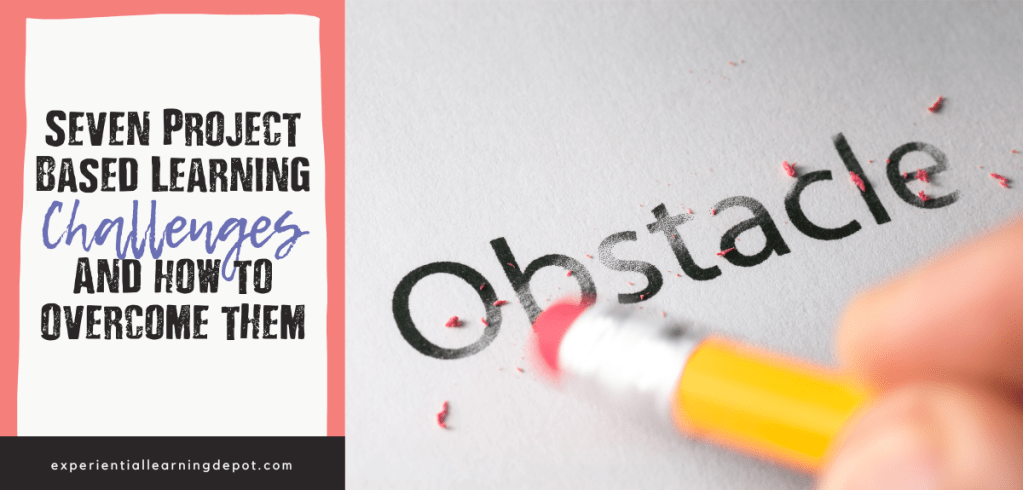
In a traditional classroom setting, students are typically guided by teachers who provide structure and direction. However, in a self-directed learning environment, students are responsible for their own education and must take control of their learning journey. While self-directed learning offers many benefits, it also presents unique challenges that students may face.
One of the main challenges faced by students in a self-directed learning environment is maintaining motivation. Without the external pressure from teachers or deadlines to meet, some students may struggle to stay focused and disciplined. It can be easy to procrastinate or lose interest when there is no one holding them accountable.
Another challenge is time management. Self-directed learners need to effectively manage their time as they have the freedom to choose when and how long they study. Poor time management skills can lead to missed deadlines or insufficient progress on assignments.
Additionally, self-directed learners often lack access to immediate support. In a traditional classroom, students can ask questions and receive immediate feedback from teachers or classmates. In a self-directed learning environment, however, finding answers may require more effort and independent research.
Furthermore, isolation can be another challenge for some students in a self-directed learning environment. Learning alone without regular interaction with peers can lead to feelings of loneliness and detachment from the academic community.
Lastly, evaluating one’s own progress objectively can be difficult for some learners in this type of setting. Without external assessments or grades provided by instructors, determining if one has truly mastered the material becomes subjective and potentially less accurate.
To overcome these challenges in a self-directed learning environment, it is important for students to develop strong personal discipline and motivation strategies such as setting goals or creating study schedules. Time management skills can be improved through effective planning and prioritization techniques like using calendars or productivity apps.
Seeking out online communities or participating in virtual study groups can help alleviate feelings of isolation while providing opportunities for collaboration with other like-minded individuals pursuing similar educational paths.
Finally, regularly reflecting on personal progress and seeking feedback from mentors or peers can help students gain a more accurate understanding of their own learning achievements.
Self-directed learning offers unique opportunities for personal growth and academic development. By acknowledging the challenges and implementing strategies to overcome them, students can thrive in this alternative education setting.
 Alternative Amie
Leave a comment