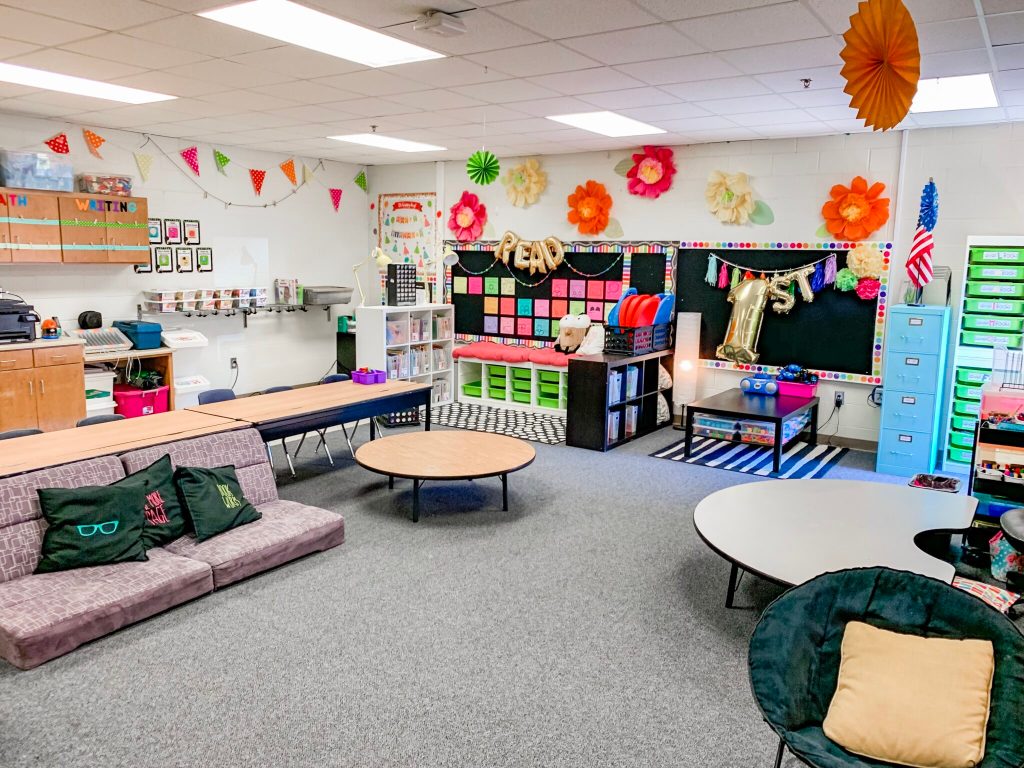
Flexible seating has gained popularity in recent years as a way to enhance student engagement and improve behavior management in the classroom. This innovative approach allows students to choose where they sit, providing them with a sense of autonomy and ownership over their learning environment. By moving away from traditional rows of desks and embracing a variety of seating options, such as bean bags, standing desks, or floor cushions, educators have observed significant positive changes in student behavior.
One key advantage of flexible seating is that it promotes collaboration among students. By having the freedom to choose their seats, students are more likely to select spots next to peers with whom they feel comfortable working together. This creates an inclusive classroom culture where ideas can be shared and developed through group discussions or project-based learning activities. When students feel connected and valued by their peers, it often leads to improved behavior because they are motivated to contribute positively to the group dynamic.
Moreover, flexible seating also encourages movement and physical activity throughout the day. Traditional desk setups often result in sedentary behaviors that can lead to restlessness or even fidgeting among students who struggle with prolonged sitting. With flexible seating options available, students can switch between different types of seats according to their needs at any given moment. For instance, some may prefer standing while completing certain tasks or find comfort in rocking chairs during reading time. The ability for students to move around freely helps release excess energy while maintaining focus on their work.
Additionally, flexible seating supports individualized learning styles by allowing each student to find a space that best suits their needs for concentration and productivity. Some learners thrive in quiet corners away from distractions; others might prefer open spaces that offer visual stimulation without hindering focus. Teachers who implement flexible seating provide diverse environments that cater specifically to these preferences, which ultimately enhances student engagement levels.
Another notable benefit is how flexible seating fosters responsibility within students themselves regarding managing their own behavior choices. By giving them agency over selecting where they sit, students are encouraged to be accountable for their actions. They learn to make thoughtful decisions about seating arrangements and understand that their choices have consequences. This sense of responsibility translates into improved behavior as students become more aware of how their actions impact both themselves and others in the classroom.
Flexible seating also helps develop important life skills such as problem-solving and conflict resolution. In traditional classrooms, disputes over assigned seats or territorial boundaries could escalate quickly, leading to disruptive behaviors. However, with flexible seating, students can address conflicts directly by negotiating seat changes or discussing any issues that arise. These experiences teach them valuable communication skills and promote empathy towards their peers’ perspectives.
Moreover, flexible seating positively impacts student attention spans and overall focus during lessons. Research shows that movement stimulates brain activity and increases blood flow to the prefrontal cortex responsible for executive functions like decision-making and concentration. By allowing students to move freely throughout the classroom, flexible seating supports optimal brain function necessary for sustained attention during learning activities.
Furthermore, this approach promotes a positive classroom climate where trust between teachers and students is cultivated. When educators implement flexible seating practices, they demonstrate respect for student autonomy while still maintaining control over expectations regarding behavior standards within the class community. This mutual respect builds a strong foundation for effective behavior management strategies.
It is important to note that implementing flexible seating does not guarantee immediate behavioral improvements; it requires clear guidelines and consistent reinforcement from teachers who establish rules around appropriate use of various seats available in the classroom setting. Teachers must communicate expectations regarding noise levels or sharing spaces effectively so that all students feel comfortable in their chosen spots without disrupting others’ learning experiences.
Although there are numerous benefits associated with flexible seating, it is not without its challenges. Teachers need to carefully consider the physical layout of their classrooms to ensure safety measures are in place when using alternative furniture options like standing desks or balance balls. Additionally, educators may face resistance from some parents or administrators who question whether such unconventional seating arrangements align with traditional educational practices. However, by providing evidence-based research and sharing success stories from other classrooms, teachers can often overcome these concerns and gain support for implementing flexible seating.
In conclusion, flexible seating has proven to be an effective tool in managing student behavior while enhancing engagement within the classroom. By allowing students to make choices about where they sit based on their individual needs and preferences, educators create a sense of ownership over the learning environment. This approach promotes collaboration among peers, encourages movement throughout the day, supports individualized learning styles, fosters responsibility and problem-solving skills, enhances attention spans and focus levels, cultivates trust between teachers and students, and creates a positive classroom climate. Despite potential challenges during implementation or resistance from traditionalists, the benefits of flexible seating far outweigh any initial hesitations. It is an innovative approach that empowers students to take control of their education while promoting positive behavioral outcomes.
 Alternative Amie
Leave a comment