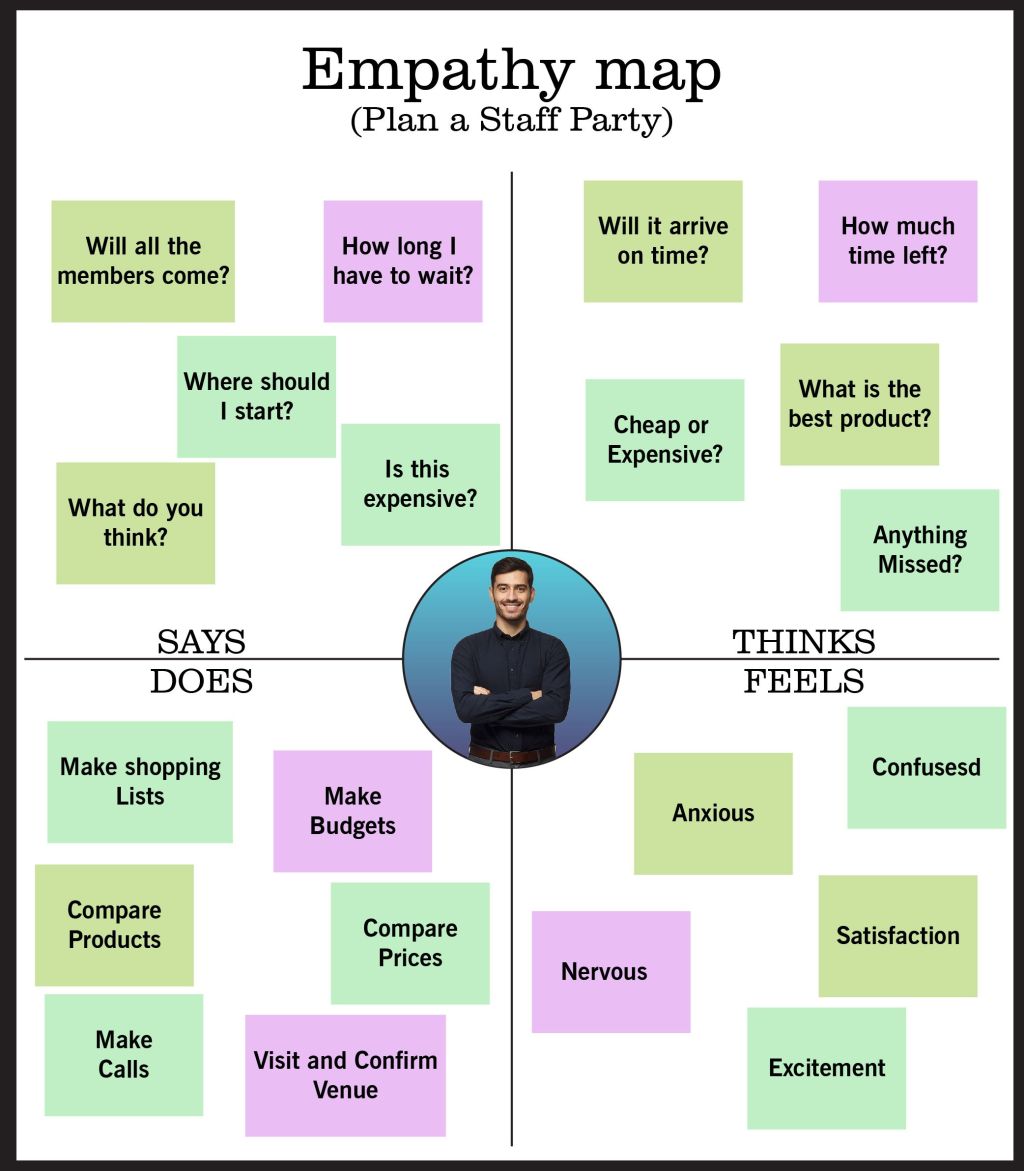
Design thinking is a powerful approach to problem-solving that emphasizes empathy, collaboration, and creative thinking. It involves identifying a problem, researching and understanding the needs of the end-users or stakeholders, brainstorming potential solutions, prototyping and testing those solutions, and iterating on them based on feedback.
Inquiry-based learning is an educational approach that encourages students to ask questions, explore topics of interest, conduct research, and construct their own knowledge. It promotes critical thinking skills, independence, and a deep understanding of subjects.
Authentic assessments are assessments that measure real-world skills and knowledge. They go beyond traditional tests or quizzes by requiring students to apply what they have learned in meaningful ways. Examples include creating portfolios or presentations, solving problems or completing projects.
Student-led projects allow students to take ownership of their learning by choosing topics they are passionate about and driving the project from start to finish. This approach fosters autonomy, self-motivation, creativity, and problem-solving skills.
Community partnerships involve collaborating with local organizations or individuals outside the school community to address real-world issues through projects. These partnerships provide opportunities for students to connect with their community while gaining valuable experience in teamwork and communication.
Project management skills are essential for successful project-based learning. Students learn how to plan tasks effectively using tools like Gantt charts or Kanban boards; coordinate team members; set goals; manage resources; monitor progress; adapt plans when necessary; reflect on outcomes; celebrate successes; and learn from failures.
Cross-curricular integration allows students to make connections between different subject areas while working on projects. For example, a project on sustainable development could incorporate elements of science (studying environmental impacts), math (calculating carbon footprints), social studies (learning about global issues), language arts (writing persuasive essays), etc.
Technology integration in projects leverages various digital tools such as online research databases, data analysis software programs or multimedia creation platforms that enhance student engagement, facilitate collaboration, and expand learning opportunities.
Outdoor and environmental projects provide hands-on experiences in nature, fostering a sense of stewardship for the environment. Students may engage in activities such as planting trees, creating wildlife habitats or conducting water quality tests.
Social justice projects allow students to explore issues related to fairness, equality, and social change. They might involve researching systemic inequalities, advocating for marginalized groups or organizing community events that raise awareness and promote positive change.
Entrepreneurship education through projects empowers students to develop entrepreneurial skills such as problem-solving, creativity, critical thinking, communication, teamwork and adaptability. They learn how to identify business opportunities; create business plans; market products or services; manage finances; and reflect on their experiences.
Global collaboration in project-based learning connects students with peers from around the world using digital tools like video conferencing or online platforms. This fosters cultural understanding, global awareness and collaboration skills while working on shared projects.
Arts-integrated projects combine artistic expression with academic content. For example, students could create visual art pieces inspired by historical events or perform a play based on a novel they have read.
Project-based learning for special needs students provides opportunities for personalized instruction tailored to individual strengths and interests. It promotes engagement, self-confidence and skill development while addressing specific educational goals.
Service-learning projects combine community service with academic objectives. Students work on meaningful projects that address real community needs while deepening their understanding of course material and developing empathy towards others.
Project-based learning in STEM subjects allows students to apply scientific concepts to real-world problems through hands-on experiments or engineering challenges. These projects foster innovation skills such as critical thinking, problem-solving and collaboration while building a strong foundation in STEM disciplines.
Project-based learning for early childhood education nurtures curiosity through play-based activities that tap into children’s natural desire to explore the world around them. Projects can focus on topics like animals, seasons or transportation while integrating foundational skills such as literacy or numeracy.
Culinary arts and cooking projects provide opportunities for students to develop culinary skills, explore cultural traditions, learn about nutrition and practice teamwork. They can plan menus, prepare meals or organize food-related events.
Historical reenactments and living history projects bring history to life by allowing students to immerse themselves in a specific time period or event. Through research, role-playing and creating artifacts, they gain a deeper understanding of the past.
Project-based learning for career exploration helps students explore potential career paths by engaging in hands-on activities related to different industries or professions. This allows them to make informed decisions about their future while developing essential employability skills.
Sustainable development projects focus on addressing environmental, social and economic challenges in sustainable ways. Students may investigate renewable energy sources, design green buildings or create awareness campaigns about climate change.
Health and wellness-focused projects promote physical fitness, mental well-being and healthy lifestyle choices. Students might engage in activities like designing exercise routines, organizing health fairs or researching nutrition strategies.
Media production and digital storytelling in project-based learning allow students to express ideas creatively using multimedia tools such as videos or podcasts. They learn how to communicate effectively while developing technical skills like video editing or audio recording.
Civic engagement through project-based learning empowers students to become active citizens who contribute positively to their communities. Projects could involve organizing voter registration drives, advocating for policy changes or conducting community surveys that inform local decision-making processes.
Project-based learning for social-emotional development focuses on developing self-awareness, empathy, resilience and emotional regulation skills. Projects might include mindfulness exercises, conflict resolution simulations or personal reflection journals.
Maker education and hands-on projects encourage creativity and innovation through tinkering with materials and technologies such as 3D printers or robotics kits. Students learn by doing while gaining problem-solving skills applicable across various domains.
Cultural exchange diversity-focused projects promote understanding of diverse cultures by engaging students in collaborative activities with peers from different backgrounds. Projects could involve sharing cultural traditions, exploring global issues or organizing multicultural events.
Robotics and engineering projects in project-based learning provide opportunities for students to design, build and program robots to solve real-world problems. They develop technical skills such as coding, problem-solving and collaboration while engaging in hands-on activities.
In conclusion, project-based learning offers a wide range of possibilities for alternative schooling and education. From design thinking to robotics projects, culinary arts to social justice projects, there are endless opportunities for students to engage in meaningful experiences that foster critical thinking, creativity, collaboration and personal growth. By incorporating these various approaches into their curriculum, educators can empower students with the skills they need to succeed in today’s ever-changing world.

 Alternative Amie
Leave a comment