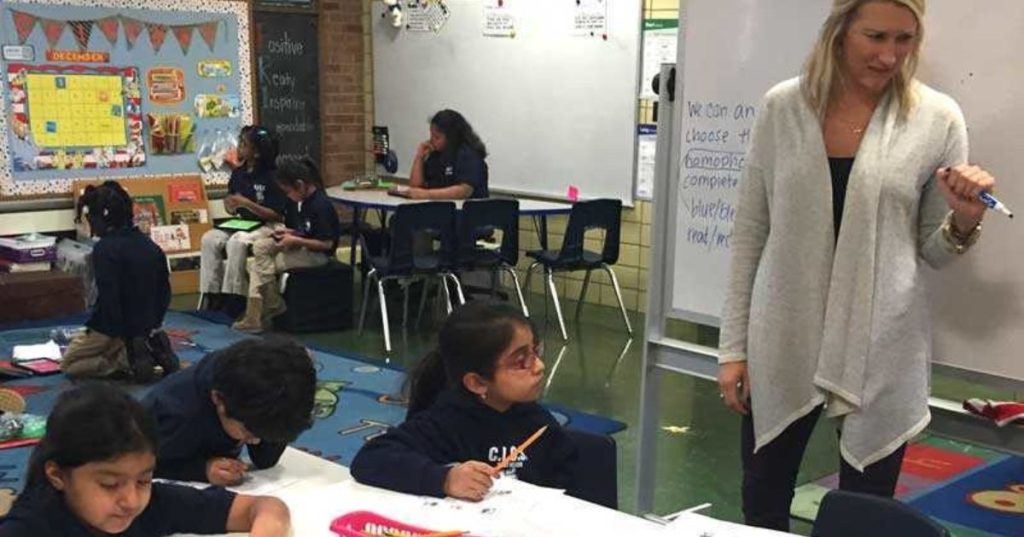
Differentiated instruction is an essential approach in multiage classrooms that allows teachers to meet the diverse needs of students at various levels. In a multiage classroom, students from different age groups are grouped together, creating a unique learning environment that requires flexibility and adaptability. Implementing differentiated instruction strategies ensures that all students receive appropriate support and challenges, regardless of their age or skill level.
One of the key benefits of differentiated instruction in multiage classrooms is its ability to promote individualized learning. By tailoring instruction to each student’s specific needs, teachers can provide personalized experiences that address both strengths and weaknesses. This approach acknowledges that learners progress at different rates and have distinct learning styles.
In a multiage classroom, differentiation takes on an added layer of complexity as educators must consider not only academic differences but also developmental disparities between students of various ages. To effectively implement differentiated instruction, teachers must gather comprehensive data about their students’ abilities and interests through assessments, observations, and conversations with them.
Once armed with this information, teachers can create flexible groupings based on shared needs or skills rather than age alone. For example, during reading time, students may be grouped based on similar reading levels or interests rather than solely by grade level. This allows for more targeted instruction and avoids placing limits on student potential due to arbitrary age-based categorizations.
Moreover, differentiated instruction encourages peer collaboration and cooperative learning within the multiage setting. Older students can serve as mentors or tutors for younger ones while reinforcing their own skills through teaching others. Younger children benefit from these interactions by receiving guidance from experienced peers who understand their unique challenges firsthand.
Incorporating technology into differentiated instruction further enhances its effectiveness in multiage classrooms. Educational apps and online resources offer adaptive features that adjust content difficulty based on individual performance levels. These tools provide immediate feedback to both teachers and students while promoting independent exploration at each learner’s pace.
Teachers can also use technology to create virtual portfolios for students, allowing them to showcase their work and progress over time. This not only celebrates individual achievements but also supports self-reflection and goal-setting. By leveraging technology for differentiation purposes, teachers can better address the diverse needs of learners in a multiage classroom.
Another critical aspect of differentiated instruction is the incorporation of varied learning activities and materials that cater to different modalities. For instance, visual learners may benefit from graphic organizers or videos, while kinesthetic learners might thrive through hands-on experiments or projects. By presenting information in multiple formats, teachers ensure that all students can access content in ways that align with their preferred learning styles.
Differentiated assessment strategies are also integral to effective instruction in multiage classrooms. Rather than relying solely on traditional tests or quizzes, teachers can employ alternative methods such as portfolios, presentations, or performance-based tasks. These assessments allow students to demonstrate understanding using their preferred modes of expression while providing valuable insights into their individual progress.
Additionally, ongoing formative assessments help teachers gauge student understanding throughout the learning process and adjust instruction accordingly. Regular check-ins ensure that students receive timely support when needed and maintain engagement with the material.
In conclusion, differentiated instruction is an essential approach for promoting successful learning outcomes in multiage classrooms. By considering each student’s unique needs and abilities rather than relying solely on age-based groupings, educators can provide personalized experiences that foster growth and development across various domains. Through flexible grouping strategies, technology integration, diverse instructional materials, and varied assessment methods – teachers create inclusive environments where every learner thrives regardless of age or skill level.
 Alternative Amie
Leave a comment