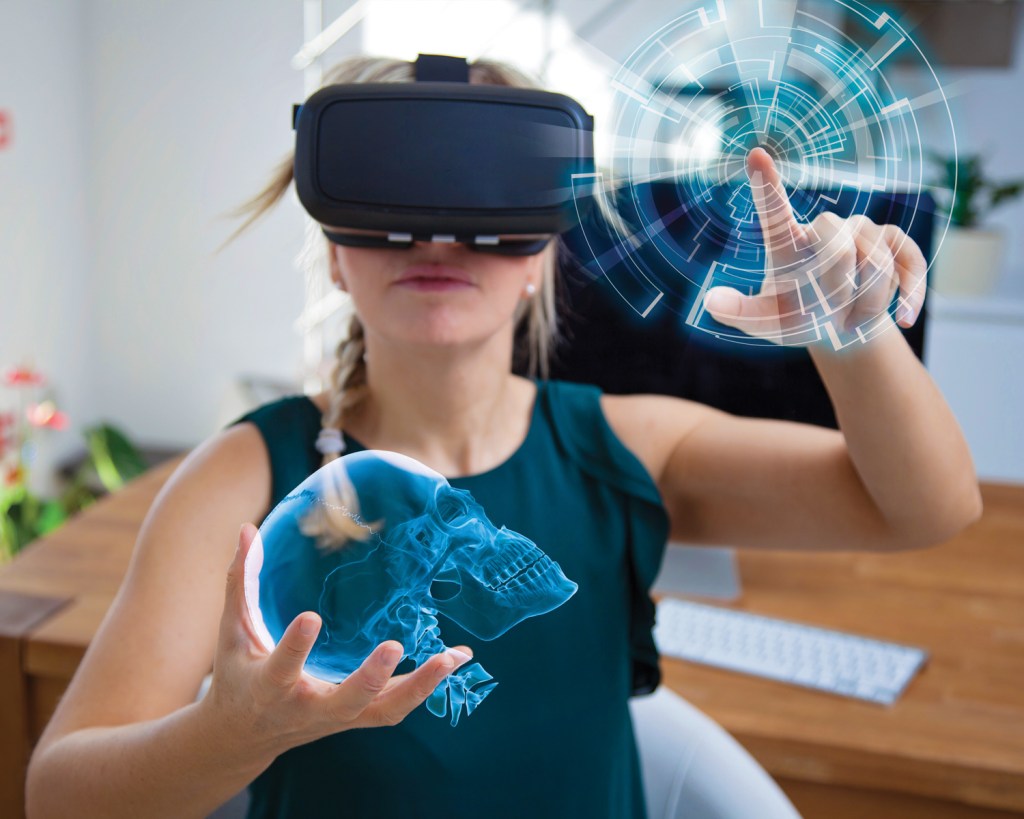
Virtual Reality in Education: Revolutionizing Learning Experiences
Education has always been a dynamic field, constantly embracing new technologies to enhance teaching and learning. One such technology that is making waves in classrooms around the world is virtual reality (VR). By immersing students in realistic and interactive environments, VR has the potential to revolutionize education by providing engaging and impactful learning experiences. In this article, we will explore how virtual reality is being integrated into educational settings and discuss its numerous benefits.
What is Virtual Reality?
Virtual reality refers to a computer-generated simulation of an environment that can be interacted with using special electronic equipment, such as headsets or gloves. Users are able to feel fully immersed within these simulated environments, often experiencing a sense of presence as if they were physically present in that space.
Integration of VR in Education
Educators have recognized the immense potential of virtual reality for enhancing traditional classroom instruction. Various subjects across different disciplines can benefit from incorporating VR into lesson plans. From history and geography to science and mathematics, there are countless opportunities for students to engage with content on a more immersive level.
For instance, history classes can transport students back in time by virtually visiting ancient civilizations or reliving significant events like the moon landing. Geography lessons can become vivid journeys through different landscapes or even allow students to explore other countries’ cultures firsthand. Science classes can take advantage of VR simulations for experiments that may otherwise be too expensive or dangerous to conduct in real-life settings.
Benefits of Virtual Reality in Education
1. Enhanced Engagement: Traditional lectures or textbooks often fail to captivate students’ attention fully. However, with virtual reality, learners are actively involved rather than passive recipients of information. This increased engagement leads to better retention rates and deeper understanding.
2. Immersive Experiences: Virtual reality creates opportunities for experiential learning by transporting students beyond what could typically be achieved within the confines of a classroom setting alone. Students gain firsthand experiences and develop a sense of presence within the subject matter.
3. Empathy and Perspective-Taking: VR can foster empathy by enabling students to step into someone else’s shoes. For example, they can experience historical events or understand different perspectives in social studies lessons. This helps cultivate compassion and understanding among learners.
4. Safe Learning Environments: Certain subjects may involve risks or hazards that are not suitable for real-world experimentation. Virtual reality allows students to explore these scenarios safely, such as conducting complex science experiments or practicing medical procedures.
5. Personalized Learning: VR technology enables personalized learning experiences tailored to individual student needs. Learners can progress at their own pace, focus on specific topics, or revisit challenging concepts until mastery is achieved.
6. Collaboration and Communication: Virtual reality can facilitate collaboration among students regardless of their physical locations, making it ideal for remote learning situations. Students can work together on projects, exchange ideas in virtual environments, and engage in role-playing exercises.
7. Accessibility and Inclusivity: VR has the potential to make education more accessible for all learners by accommodating diverse needs and abilities. It allows students with disabilities to participate fully in activities that would otherwise be challenging due to physical limitations.
Challenges and Considerations
While virtual reality holds great promise for transforming education, there are some challenges that need consideration:
1. Cost: Implementing VR technology requires significant investment in hardware, software licenses, and maintenance costs—constraints that might limit widespread adoption.
2.Content Development: Developing high-quality educational content for virtual reality platforms requires expertise both from educators familiar with curriculum goals and developers skilled in creating immersive experiences.
3.Technical Limitations: VR headsets may cause discomfort or motion sickness for some users; therefore, careful consideration should be given to device selection.
4.Teacher Training:Teachers require adequate training on how best to integrate virtual reality into lesson plans effectively while ensuring it aligns with educational objectives.
Conclusion
Virtual reality has the power to reshape the educational landscape by providing immersive and engaging experiences for students. From enhancing engagement and empathy to expanding learning opportunities, VR offers numerous benefits that can greatly enhance traditional teaching methods. However, challenges like high costs and content development should not be overlooked. By addressing these considerations and investing in proper training, virtual reality has the potential to revolutionize education, making it more inclusive, interactive, and impactful for learners of all ages.
 Alternative Amie
Leave a comment