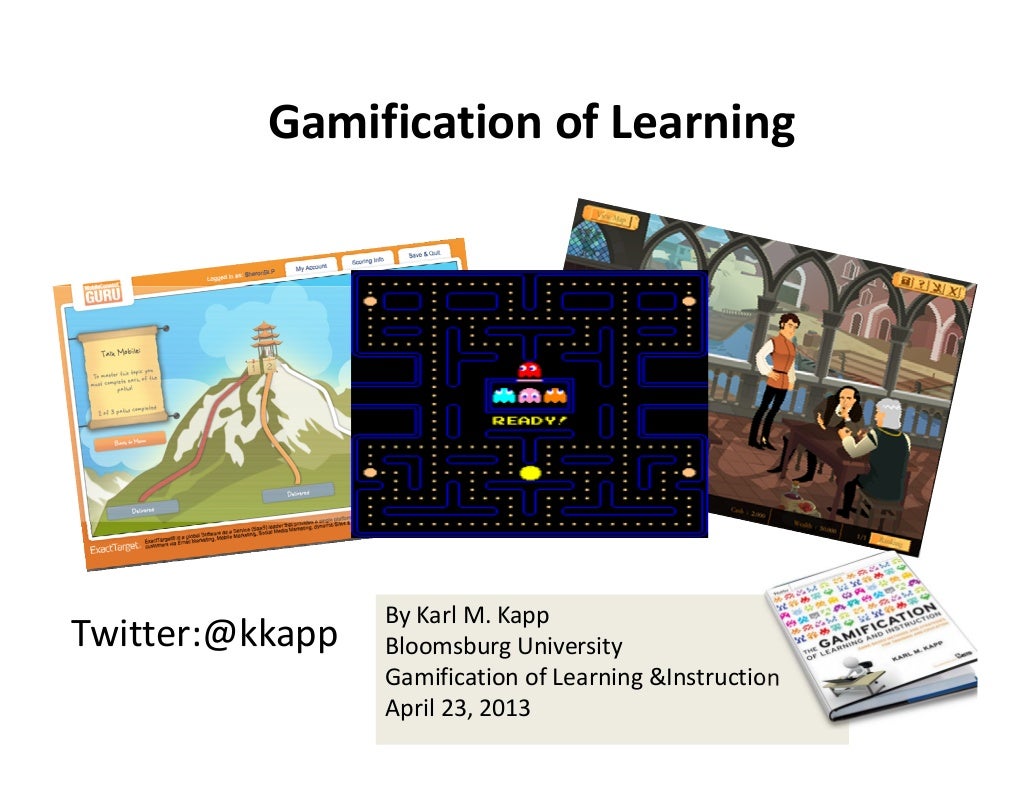
Gamification in open educational resources (OER) is a powerful tool that can engage students and make learning more enjoyable. By incorporating game elements such as points, badges, and leaderboards into OER platforms, educators can motivate students to actively participate in their own learning journey. Gamification not only fosters a sense of competition but also provides immediate feedback, encourages problem-solving skills, and promotes critical thinking.
Project-based learning with OER allows students to apply their knowledge and skills to real-world situations. It involves hands-on activities where learners work collaboratively on projects that are relevant and meaningful. With the abundance of OER materials available online, educators can easily find resources for project-based learning across various subjects and grade levels. This approach helps develop essential skills such as teamwork, communication, research, and creativity while fostering a deeper understanding of the subject matter.
Personalized learning using OER tailors education to meet individual student needs by providing customized content and pace of instruction. With OER platforms offering a wide range of materials in different formats (textbooks, videos, interactive simulations), educators can curate resources that match each student’s unique learning style or level of proficiency. Personalized learning empowers students to take ownership of their education while allowing teachers to better support their diverse classroom populations.
Open textbooks have had a significant impact on alternative schooling by providing accessible and affordable resources for both students and teachers. These openly licensed textbooks are free or low-cost alternatives to traditional printed textbooks. They cover various subjects at different grade levels, offering flexibility in curriculum design for alternative schools with non-traditional approaches or specialized programs.
Special needs students greatly benefit from open educational resources designed specifically for them. These resources provide differentiated instruction tailored to accommodate diverse abilities or disabilities. From visual aids for individuals with hearing impairments to interactive tools supporting cognitive development or social-emotional skills training – there is an ever-expanding collection of OER materials catering to special needs students.
Homeschooling families also find open educational resources invaluable. OER platforms offer a plethora of materials that allow parents to create personalized curriculum plans for their children. From complete lesson plans and textbooks to interactive online courses, homeschoolers can access high-quality educational content without the need for costly subscriptions or physical materials.
Collaborative learning with OER fosters teamwork, communication, and critical thinking skills among students. With OER platforms enabling easy sharing and collaboration on projects, learners can engage in joint problem-solving activities regardless of their physical location. This promotes global connections and exposes students to diverse perspectives while enhancing their digital literacy skills.
STEAM education (Science, Technology, Engineering, Arts, Mathematics) is another area where OER plays a significant role. Open educational resources provide educators with opportunities to incorporate hands-on experiments, coding exercises, design challenges, and artistic elements into STEAM curricula. By blending these disciplines together through the use of OER materials, STEAM education becomes more accessible and engaging for students.
Social-emotional learning (SEL) is an essential aspect of student development that can be supported by open educational resources as well. SEL-focused OER materials help students build self-awareness, develop empathy and emotional intelligence, manage relationships effectively, make responsible decisions, and handle stress or adversity in healthy ways. These resources often include videos, interactive games or activities that promote self-reflection and foster positive social-emotional growth.
Open educational resources have made environmental education more accessible to schools worldwide. With climate change awareness growing rapidly across the globe,
OER platforms offer a wide array of digital tools including virtual field trips,
interactive simulations,
data analysis tools,
and multimedia presentations.
These resources enable educators to teach about environmental issues in engaging ways while encouraging students to become environmentally conscious citizens.
Augmented reality (AR)
and virtual reality (VR)
are emerging technologies
that have found applications
in open educational resources.
By incorporating AR and VR into OER platforms,
educators can provide immersive learning experiences
that bring abstract concepts to life.
These technologies enable students to explore virtual environments,
manipulate objects or data in 3D space,
and engage in interactive simulations
that enhance their understanding of complex topics.
Open educational resources for career readiness are becoming increasingly important as the job market evolves rapidly. OER platforms offer resources such as career exploration tools, resume-building templates, interview preparation materials, and industry-specific guides. These resources assist students in developing essential employability skills, exploring various career pathways, and making informed decisions about their future.
Mobile learning with OER allows students to access educational content anytime, anywhere using their smartphones or tablets. As mobile devices become more prevalent among students, educators can leverage this technology by curating OER materials that are mobile-friendly and easily accessible on-the-go. Mobile learning not only provides convenient access to educational resources but also promotes self-directed learning and empowers learners to take control of their education.
Language learning is another area where open educational resources have made a significant impact. With a wide range of freely available language courses, vocabulary flashcards, pronunciation guides, and language exchange platforms accessible through OER websites or apps – language learners now have ample opportunities for self-study and practice at their fingertips.
Accessibility and inclusivity are fundamental principles of open educational resources. The openness of these materials ensures that they can be accessed by individuals with disabilities without barriers. Open textbooks come in multiple formats (e.g., PDFs, ePUBs), allowing users to choose the one that suits their needs best (such as text-to-speech functionality for visually impaired learners). Additionally, many OER platforms include features like closed captioning or transcripts for videos to support individuals with hearing impairments.
Mindfulness and well-being are crucial aspects of student development that can be nurtured through open educational resources. Mindfulness exercises,
meditation practices,
and stress reduction techniques
are among the resources available.
These materials help students develop self-awareness, manage their emotions, and cultivate a positive mindset – all of which contribute to overall well-being.
Financial literacy is an essential life skill that can be taught effectively using open educational resources. OER platforms offer interactive games,
simulations,
and financial planning tools
that support students in understanding concepts like budgeting, saving, investing, and managing debt. These resources provide practical knowledge and empower students to make informed financial decisions throughout their lives.
Adaptive learning using OER leverages technology to personalize instruction based on individual student needs. With adaptive learning platforms integrated into OER systems, educators can monitor student progress in real-time and provide targeted interventions or additional support where necessary. This approach ensures that each learner receives a customized learning experience tailored to their strengths and weaknesses.
Culturally responsive teaching with open educational resources recognizes the importance of including diverse perspectives and cultural representation in education. OER platforms offer materials that reflect various cultures, ethnicities, languages, traditions, histories, and lived experiences. By incorporating culturally relevant content into their lessons through these resources,
educators create inclusive classrooms that validate students’ identities while promoting cross-cultural understanding.
Open educational resources for global citizenship education promote awareness of global issues such as poverty alleviation,
human rights,
sustainable development goals,
cultural diversity,
and environmental conservation.
OER platforms feature lesson plans,
case studies,
multimedia presentations,
and interactive activities
that encourage students to think critically about these topics
while fostering empathy
and encouraging active participation in creating a more just and sustainable world.
Game-based learning with open educational resources combines the engagement factor of games with the educational benefits of OER materials. Educators can use game-based learning platforms or gamified apps available through OER websites to enhance student motivation and achievement across various subjects. These games often incorporate elements such as problem-solving challenges, quizzes, puzzles, or simulations that make learning fun and interactive.
Early childhood education can benefit greatly from open educational resources designed specifically for young learners. OER platforms offer a wealth of materials including interactive games,
storybooks,
educational videos,
and printable activities
that support early literacy,
numeracy skills development,
and social-emotional growth in young children.
These resources are valuable tools for both parents and educators working with preschoolers or early elementary students.
Digital storytelling using OER allows students to express their creativity while developing essential communication skills. With access to digital tools like video editing software or multimedia presentation platforms through OER websites, learners can create engaging stories that incorporate text, images, audio, and video elements. Digital storytelling enhances critical thinking, narrative development, media literacy skills while enabling students to share their perspectives and ideas effectively.
Open educational resources provide opportunities for arts integration across various subjects. Educators can find music recordings,
visual art collections,
dance tutorials,
theater scripts,
or literature excerpts – all available freely through OER platforms. By incorporating these artistic elements into lessons across disciplines such as history or science through project-based activities or performances – educators enhance student engagement and understanding while fostering creativity.
Peer-to-peer learning with open educational resources encourages collaboration among students by allowing them to share knowledge and resources within a community of learners. Open forums or discussion boards on OER platforms facilitate peer-to-peer interaction where students can ask questions, exchange ideas, provide feedback on each other’s work – creating an environment conducive to active learning and building a sense of shared responsibility for academic success.
In conclusion, the vast array of open educational resources available today has revolutionized alternative schooling and education by offering innovative approaches to teaching and learning across diverse topics. From gamification to personalized learning, project-based approaches to social-emotional development – OER materials cater to different needs while promoting inclusivity and accessibility. Whether it is language acquisition or financial literacy; mindfulness or STEAM education; global citizenship or environmental awareness – educators and learners alike can benefit from the wealth of resources available through OER platforms.
 Alternative Amie
Leave a comment