Open educational resources (OER) are a powerful tool that can be used to enhance personalized learning in alternative schooling and education settings. These freely available materials provide educators with the flexibility to tailor instruction to meet the unique needs and interests of individual learners.
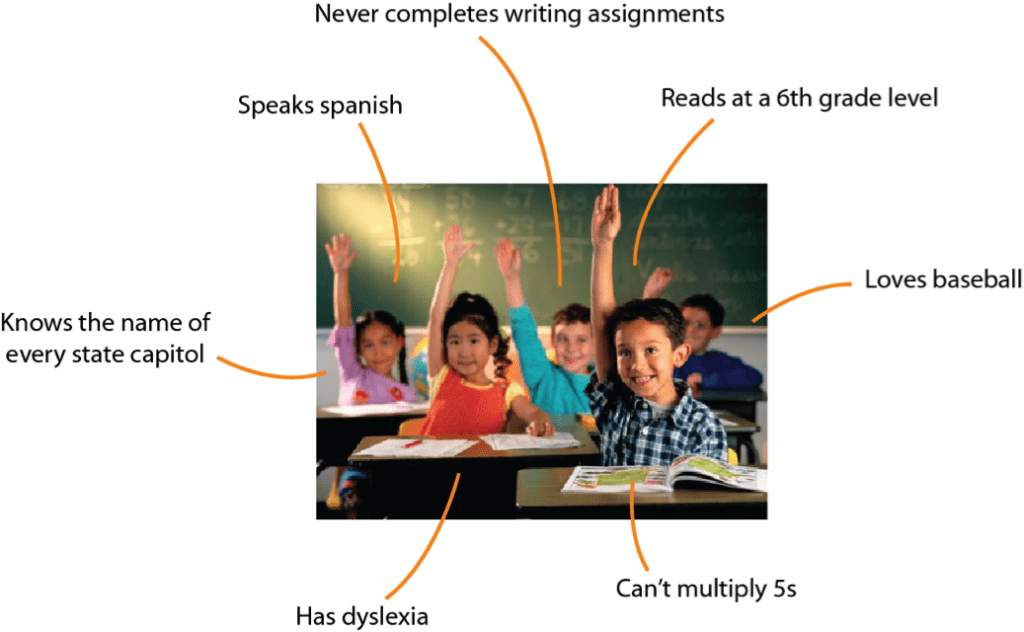
Personalized learning is an approach that recognizes that each student learns differently and at their own pace. It aims to create a customized learning experience for each learner, taking into account their strengths, weaknesses, interests, and goals. OER can play a crucial role in supporting this approach by providing educators with a wide range of high-quality resources that can be adapted to suit the specific needs of students.
One of the key benefits of using OER for personalized learning is the ability to customize content. Educators can remix, adapt, or modify existing resources to align them with learners’ abilities and preferences. For example, if a student excels in math but struggles with reading comprehension, an educator can use OER as building blocks to create tailored lessons that focus on strengthening reading skills while still incorporating mathematical concepts.
Furthermore, OER allows for differentiation based on individual learning styles. Some students may prefer visual representations, while others may learn best through hands-on activities or auditory instructions. With OER’s vast array of multimedia content such as videos, interactive simulations, or audio recordings, educators have access to diverse materials they can select from and curate according to students’ preferred modes of learning.
Another advantage of utilizing OER is its potential for collaboration and community engagement within alternative schooling environments. Since these resources are free and openly licensed for reuse by others, educators from different schools or even countries can collaborate on developing shared curricular materials or exchange best practices in implementing personalized learning strategies using OER platforms like OpenEdX or Moodle.
Additionally, open educational resources foster learner autonomy by allowing students themselves to engage actively in selecting relevant content aligned with their interests or goals. This self-directed discovery process encourages ownership over their education and can lead to greater motivation and engagement.
However, it is important to note that implementing OER effectively for personalized learning requires thoughtful planning, ongoing professional development for educators, and robust infrastructure to ensure equitable access to technology. It also necessitates the awareness of copyright licenses associated with different resources so as not to violate any legal restrictions.
In conclusion, open educational resources offer a wealth of opportunities for personalized learning in alternative schooling and education settings. By enabling customization, differentiation, collaboration, community engagement, and learner autonomy, OER empowers educators to create tailored learning experiences that meet the unique needs of each student. When implemented thoughtfully and supported by necessary resources and training, OER can revolutionize the way we approach education by placing learners at the center of their own learning journey.
 Alternative Amie
Leave a comment