Mentorship in Farming Communities: Nurturing the Next Generation of Stewards
In today’s fast-paced and technology-driven world, it is easy to overlook the invaluable wisdom that can be gained from traditional practices. The art of farming, for instance, has been passed down through generations, with each new farmer building upon the knowledge and experience of those who came before them. This transfer of wisdom is often facilitated by mentorship within farming communities – a practice that not only ensures the continuity of sustainable agricultural practices but also fosters personal growth and community development.
Mentorship in farming communities offers an alternative approach to education – one that goes beyond textbooks and classrooms. It allows aspiring farmers to learn directly from experienced individuals who have dedicated their lives to cultivating the land and reaping its rewards. Through this process, young farmers gain practical skills, develop critical thinking abilities, and foster a deep connection with nature.
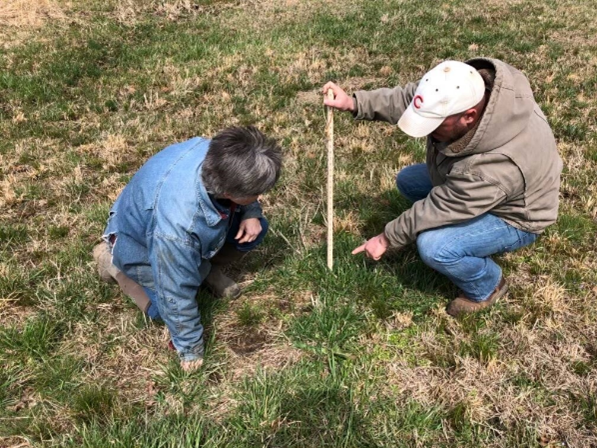
One aspect that sets mentorship apart from other forms of education is its emphasis on hands-on learning. While theoretical knowledge plays an important role in any field, it is through practical application that true mastery is achieved. In a mentoring relationship, aspiring farmers are given opportunities to actively engage in farm work under the guidance of seasoned mentors.
This experiential learning approach enables them to understand the intricacies involved in various aspects of agriculture – from soil preparation to crop rotation techniques or livestock management. By getting their hands dirty alongside their mentors, they gain valuable insights into problem-solving strategies and develop resilience when faced with challenges inherent in farming.
Furthermore, mentorship provides an avenue for knowledge exchange beyond technical skills alone. Experienced farmers act as guides not only in terms of day-to-day operations but also offer insight into broader perspectives such as sustainable practices or adapting to changing climates. They share stories about overcoming adversity and passing down traditions that have stood the test of time.
These narratives provide much-needed inspiration for young farmers who may feel overwhelmed by the complexities of modern agriculture. Mentorship not only imparts practical skills but also instills a sense of purpose and resilience necessary for success in farming.
Another significant benefit of mentorship is the cultivation of a strong sense of community among farmers. Traditional farming communities have long relied on collective efforts to thrive, with members supporting one another through shared knowledge and resources. Mentorship reinforces this spirit by fostering connections between experienced farmers and those just starting out.
Mentors act as pillars within their farming communities, bridging gaps between generations and promoting interdependence rather than competition. They create an environment where young farmers feel supported, encouraged, and part of something greater than themselves – a network that can provide assistance during challenging times or access to markets for selling produce.
Moreover, mentorship in farming communities often extends beyond technical guidance alone. Mentors serve as role models for aspiring farmers – individuals who embody values such as hard work, dedication, patience, and respect for nature. Through their actions and advice, they impart invaluable life lessons that shape not only the future generation of farmers but also responsible citizens committed to sustainable practices.
In addition to benefiting aspiring farmers individually, mentorship has broader implications for society at large. As climate change increasingly affects food production systems worldwide, it becomes imperative to develop resilient agricultural practices that can mitigate its impact while ensuring food security for all.
Mentorship equips young farmers with the necessary tools to adapt to these changing circumstances effectively. By learning from experienced mentors who have weathered various challenges over time – be it pests or droughts – aspiring farmers gain insights into innovative techniques or alternative approaches that are less reliant on chemical inputs or unsustainable practices.
This transfer of knowledge helps build a more resilient agricultural system capable of meeting future demands sustainably while preserving natural resources for generations to come.
In conclusion, mentorship plays a vital role in nurturing the next generation of stewards within farming communities. It offers an alternative educational pathway that combines hands-on learning, knowledge exchange, and community building. By providing aspiring farmers with practical skills, inspiring narratives, and a sense of belonging, mentorship ensures the continuity of sustainable agricultural practices while preparing farmers to tackle future challenges.
As we look towards the future, let us not forget the invaluable wisdom held within our farming communities. May mentorship continue to be celebrated as a powerful tool for empowering individuals, preserving traditional practices, and building resilient food systems for generations to come.
 Alternative Amie
Leave a comment