Exploring Different Approaches to Self-Directed Learning
Introduction
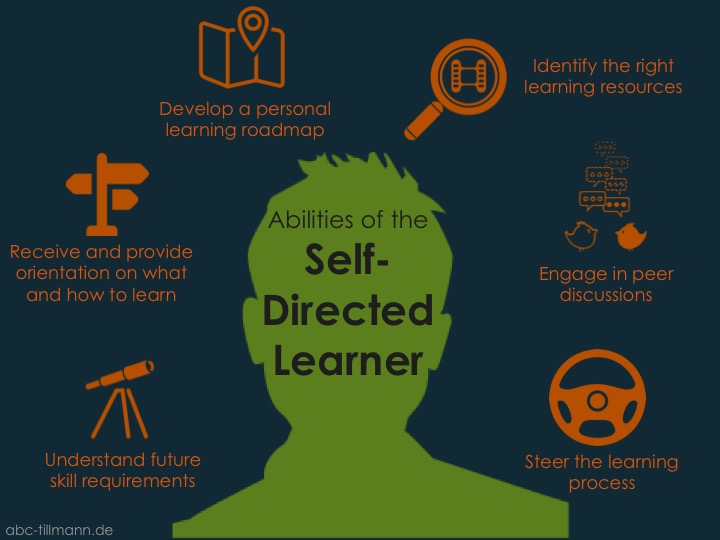
Self-directed learning is an approach to education that empowers individuals to take control of their own learning process. It allows learners to set their own goals, identify their interests, and determine the best methods for acquiring knowledge. This form of learning encourages autonomy, critical thinking, and a lifelong love for learning. In this article, we will explore various approaches to self-directed learning and highlight different strategies that can be adopted by students seeking alternative educational paths.
1. Montessori Education
One well-known approach to self-directed learning is Montessori education. Developed by Dr. Maria Montessori in the early 20th century, this method emphasizes independence and hands-on experiences. In a Montessori classroom, children are given freedom within limits to choose activities based on their individual interests and curiosity. The environment is carefully designed with materials that foster exploration and encourage self-paced learning.
The role of the teacher in a Montessori setting is that of an observer and guide rather than a traditional instructor. They provide support when needed but allow children space for independent decision-making and problem-solving. By allowing students to direct their own learning at their own pace, Montessori education promotes intrinsic motivation and cultivates a love for discovery.
2. Unschooling
Unschooling is another approach that embraces self-directed learning without following any specific curriculum or structure traditionally found in schools. Advocated by educator John Holt in the 1970s, unschooling believes that children are natural learners who thrive when given freedom to explore their interests.
In unschooling, parents act as facilitators rather than instructors, providing resources and opportunities for children’s exploration while nurturing curiosity-driven inquiry. Learning happens through real-life experiences such as community involvement or apprenticeships with professionals in fields of interest.
Unschoolers have the flexibility to pursue subjects they are passionate about while integrating academic skills naturally into their lives. This approach aims to foster a love for learning that extends beyond traditional subjects, encouraging learners to embrace their individuality and follow their unique paths.
3. Project-Based Learning
Project-based learning (PBL) is an approach that allows students to delve deeply into a specific topic or problem of interest through the completion of an extended project. It promotes self-directed learning by providing opportunities for students to explore real-world issues and develop essential skills such as critical thinking, collaboration, and problem-solving.
In PBL, students take ownership of their learning by identifying a driving question or problem to investigate. They then engage in research, planning, and implementation while receiving guidance from teachers who act as mentors throughout the process. The final product can take various forms, including presentations, exhibitions, or even tangible creations.
By engaging in hands-on projects that are relevant and meaningful to them, students become active agents in constructing knowledge while developing important skills necessary for success in the modern world.
4. Online Learning Platforms
The digital age has opened up countless opportunities for self-directed learning through online platforms such as MOOCs (Massive Open Online Courses), Khan Academy, Coursera, Udemy, and many others. These platforms offer a wide range of courses across different disciplines that learners can access at their own convenience.
Online learning provides flexibility for individuals seeking alternative educational paths or supplementing traditional schooling. Learners have the freedom to choose courses based on personal interests or career goals without being confined by geographical constraints.
Furthermore, online platforms often provide interactive features like discussion forums and peer feedback mechanisms that foster collaborative learning experiences even within virtual settings. Self-paced modules allow learners to progress at their preferred speed while still gaining valuable knowledge from expert instructors.
Conclusion
Self-directed learning is gaining recognition as an effective alternative to traditional education models because it places the learner at the center of their educational journey. Approaches like Montessori education emphasize independence and hands-on experiences, while unschooling encourages exploration of individual interests and real-life experiences. Project-based learning provides opportunities for deep dives into specific topics or problems, fostering critical thinking and collaboration skills. Finally, online learning platforms offer flexibility and a vast array of courses to cater to diverse learner needs.
By embracing self-directed learning approaches, individuals can develop a love for lifelong learning, cultivate their unique talents and interests, and acquire the essential skills necessary for success in the 21st century. Whether through alternative schools that employ these methods or by incorporating them into traditional educational settings, self-directed learning empowers learners to take control of their education and become active participants in their own growth and development.
 Alternative Amie
Leave a comment