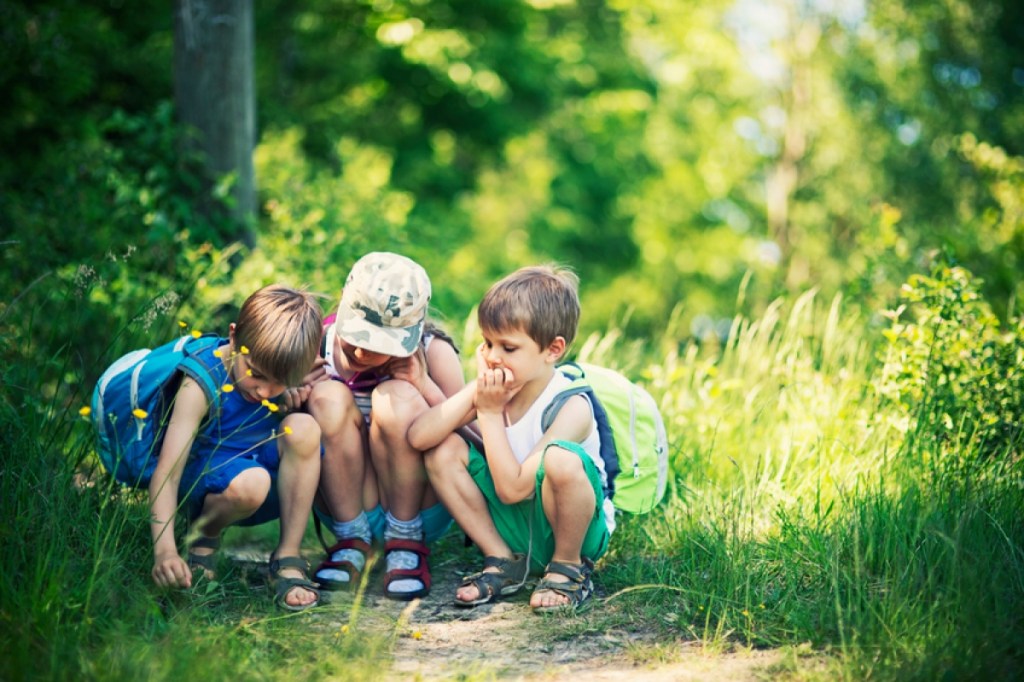
Outdoor and Nature-Based Education Programs: Fostering a Love for Learning in the Great Outdoors
Introduction:
In recent years, there has been a growing interest in alternative forms of education that move beyond the traditional classroom setting. One approach that has gained significant attention is outdoor and nature-based education programs. These programs provide students with hands-on learning experiences in natural environments, fostering a love for learning while cultivating a deep connection to the world around them. In this article, we will explore the benefits of outdoor and nature-based education programs and discuss why they are becoming increasingly popular.
1. Connecting with Nature:
One of the primary goals of outdoor and nature-based education programs is to facilitate a strong connection between students and their natural surroundings. Spending time outdoors allows children to experience firsthand the wonders of nature – observing plants, animals, weather patterns, and geological formations. This direct engagement sparks curiosity and encourages exploration, leading to an enhanced understanding of ecological systems.
2. Holistic Learning Opportunities:
Outdoor settings offer unique opportunities for interdisciplinary learning across various subjects such as science, math, art, history, language arts, and physical education. For example, studying plant life can involve elements of biology (identifying different species), mathematics (measuring growth rates), art (sketching or painting flowers), history (learning about medicinal uses throughout time), language arts (writing poems inspired by trees), or physical education (hiking or climbing).
3. Hands-On Experiences:
Unlike traditional classrooms where knowledge is often acquired through textbooks or lectures alone, outdoor and nature-based education programs emphasize experiential learning. By engaging directly with their environment through activities like field studies or research projects, students gain practical skills and apply theoretical concepts in real-world contexts.
4. Environmental Stewardship:
With increasing concerns regarding climate change and environmental degradation globally, it becomes imperative to cultivate environmentally conscious citizens from an early age. Outdoor education instills values such as sustainability practices, conservation, and environmental stewardship. Students develop a deep appreciation for nature’s beauty and understand the importance of preserving natural resources for future generations.
5. Social-Emotional Development:
Outdoor education programs not only contribute to academic growth but also foster social-emotional development. Working together on group projects, problem-solving in unfamiliar situations, and developing teamwork skills all help to build resilience, self-confidence, empathy, and leadership qualities among students. Research has shown that spending time outdoors can reduce stress levels and improve overall mental well-being.
6. Physical Health Benefits:
In an era where children are increasingly sedentary due to excessive screen time or limited access to outdoor spaces, nature-based education provides an opportunity for physical activity and exercise. Engaging in activities such as hiking, biking, canoeing or participating in team sports improves cardiovascular health, strengthens muscles and bones while promoting an active lifestyle.
7. Enhancing Creativity:
The outdoor environment stimulates creativity by immersing students in a world full of sensory experiences. The sights, sounds, smells, textures of nature serve as inspiration for artistic expression – whether it be painting landscapes or writing poetry about the changing seasons. Outdoor settings free children from the constraints of four walls and encourage imaginative thinking.
8. Fostering Critical Thinking Skills:
Problem-solving is a critical skill required in today’s rapidly changing world. Nature-based education promotes critical thinking by presenting unique challenges that require creative solutions outside conventional classroom environments. For instance: how to navigate through dense forest without a map or compass? Students learn adaptability while honing their analytical abilities.
9. Cultural Appreciation:
Outdoor settings offer opportunities for students to connect with local history and culture through experiential learning activities like visiting historical sites or engaging with indigenous communities living closely with nature since time immemorial. This exposure fosters cultural appreciation and understanding among learners.
10. Long-Term Impact:
Studies show that participants in outdoor education programs develop a lasting connection with nature, leading to increased environmental awareness and pro-environmental behaviors in adulthood. This long-term impact is crucial for creating a sustainable future where individuals actively engage in preserving the environment.
Conclusion:
Outdoor and nature-based education programs offer numerous benefits that extend beyond traditional classroom learning. By immersing students in natural environments, these programs foster a love for learning, promote holistic development, enhance critical thinking skills, and instill values of environmental stewardship. As the world continues to grapple with complex challenges related to sustainability and climate change, investing in outdoor education becomes increasingly important. Embracing alternative forms of education that prioritize hands-on experiences in the great outdoors will help shape future generations who are not only knowledgeable but also passionate about protecting our planet.
 Alternative Amie
Leave a comment