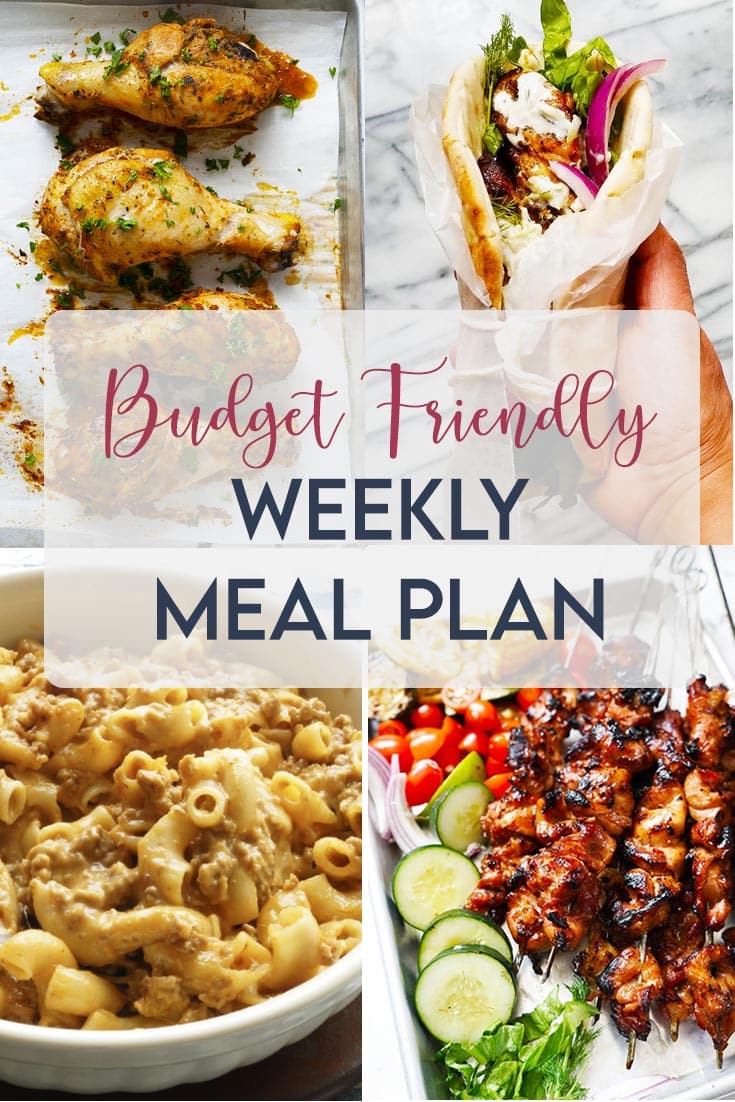
Meal Planning on a Budget: Your Guide to Healthy and Affordable Eating
Introduction:
Are you tired of spending too much money on groceries or resorting to unhealthy fast food options? Meal planning is an excellent way to save money, eat healthier, and reduce food waste. In this article, we will guide you through the process of meal planning on a budget, providing tips and tricks that can help you feed your family without breaking the bank.
1. Set a Realistic Budget:
Before diving into meal planning, it’s important to establish a realistic budget for your groceries. Consider how much money you are comfortable spending on food each week or month. This will give you a clear idea of what meals you can afford and help prioritize your grocery shopping.
2. Plan Your Meals in Advance:
One of the key aspects of meal planning is creating a weekly or monthly menu ahead of time. Start by taking inventory of what’s already in your pantry and fridge so that you can make use of these ingredients before they expire. Then, plan out breakfasts, lunches, dinners, snacks, and any other meals according to your family’s preferences.
3. Make Use of Sales and Discounts:
When preparing your meal plan, be mindful about incorporating ingredients that are on sale or discounted at your local grocery store. Keep an eye out for coupons as well – they can greatly reduce the cost of certain items in your shopping list.
4. Buy in Bulk:
Buying non-perishable items such as rice, pasta, beans, canned goods in bulk can significantly cut down costs over time. Look for wholesale stores or online platforms that offer discounts when purchasing larger quantities.
5. Embrace Seasonal Produce:
Fruits and vegetables that are in season tend to be more affordable than those imported from far away regions during off-seasons. Visit farmers’ markets or consider joining community-supported agriculture (CSA) programs where you receive fresh produce directly from local farms.
6. Cook in Bulk and Freeze:
Preparing meals in larger quantities not only saves time but also money. When you cook a large batch of a particular dish, portion it out and freeze the leftovers for future meals. This way, you’ll always have homemade ready-to-eat options available when you’re short on time or energy.
7. Opt for Plant-Based Proteins:
Meat can be expensive, so consider incorporating more plant-based proteins into your meal plan. Foods like lentils, chickpeas, tofu, and beans are budget-friendly alternatives that provide essential nutrients while keeping costs down.
8. Reduce Food Waste:
Meal planning helps reduce food waste by ensuring that all ingredients are used efficiently. However, if you still have leftover vegetables or fruits that are about to spoil, find creative ways to use them up before they go bad – such as making soups or smoothies.
9. Pack Your Own Lunches:
Eating out during lunch breaks can quickly add up over time. Instead, prepare your own lunches at home and bring them to work or school in reusable containers. Preparing sandwiches, salads, wraps or leftovers from dinner can save a significant amount of money each week.
10. Take Advantage of Leftovers:
Don’t let leftovers go to waste! Get creative with repurposing them into new dishes so that you don’t get bored eating the same meal multiple times in a row. For example, turn roasted chicken into chicken salad for sandwiches the next day.
11. Keep It Simple:
When meal planning on a budget, it’s important to keep things simple and avoid overly complicated recipes with long lists of ingredients that may be costly or hard to find locally.
12: DIY Snacks and Treats:
Instead of buying pre-packaged snacks which tend to be more expensive, make your own healthier versions at home using affordable ingredients like oats, nuts/seeds dried fruit etc., You’ll save money and have control over the ingredients, avoiding unnecessary additives.
Conclusion:
Meal planning on a budget is an effective way to save money while still enjoying delicious and nutritious meals. By setting a realistic budget, planning your meals in advance, making use of sales and discounts, buying in bulk, embracing seasonal produce, cooking in bulk and freezing leftovers, opting for plant-based proteins, reducing food waste, packing your own lunches, taking advantage of leftovers, keeping it simple with recipes and making DIY snacks and treats – you can eat well without breaking the bank. Start implementing these tips today and watch your grocery expenses decrease while maintaining a healthy diet for yourself and your family.
 Alternative Amie
Leave a comment