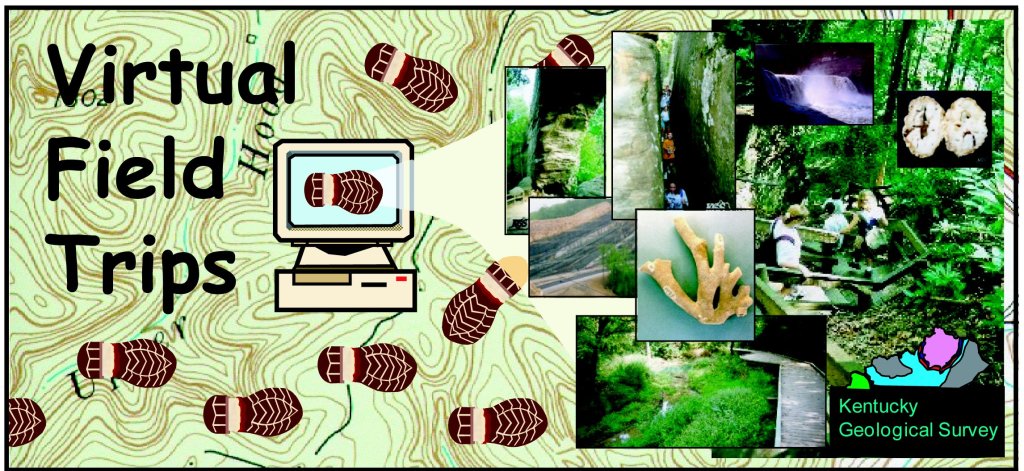
In recent years, virtual field trips have gained popularity as an innovative and effective way to supplement traditional classroom learning. With advancements in technology, students now have the opportunity to explore places they might never be able to visit physically. These virtual experiences not only enhance their knowledge but also foster a sense of curiosity and engagement.
Virtual field trips are essentially online tours that allow students to explore various locations or participate in interactive educational programs without leaving the classroom. They provide a multi-sensory experience through virtual reality (VR), 360-degree videos, live webcams, and educational resources such as worksheets, quizzes, and lesson plans.
One of the significant advantages of virtual field trips is accessibility. Students from all backgrounds can participate regardless of physical limitations or financial constraints. Virtual visits eliminate barriers like transportation costs, distance restrictions, and time constraints that may prevent some students from experiencing real-world field trips.
These immersive experiences are available for a wide range of subjects across different grade levels. Whether it’s exploring historical landmarks, studying ecosystems in biology classes, understanding cultural diversity in social studies lessons or visiting art museums virtually – there is something for every subject area.
For history enthusiasts, virtual field trips offer an incredible opportunity to walk through ancient ruins or iconic landmarks while learning about significant events. For instance, students can explore the pyramids of Giza in Egypt or take a tour inside the Colosseum in Rome. These experiences bring history alive by offering firsthand perspectives on architecture, culture, and the context behind these historical sites.
Science classes can benefit greatly from virtual field trips too. Students can visit national parks or nature reserves around the world to observe diverse ecosystems up close without disturbing them. They can witness animals in their natural habitats through live webcams and learn about conservation efforts being made globally.
Art education is often limited by museum availability within school districts’ proximity – but with virtual tours at their disposal – students can explore renowned museums worldwide from Van Gogh Museum in Amsterdam to the Louvre in Paris. They can appreciate famous artworks, learn about art movements, and even engage in interactive activities related to the pieces they see.
Virtual field trips are not limited to specific subjects or grade levels either. For younger students, there are virtual visits that help them explore different cultures and communities around the world. These experiences promote cultural understanding and foster empathy by exposing students to diverse traditions, languages, and lifestyles.
Educational organizations such as NASA also offer virtual field trips that take students on a journey through space exploration. Students can visit mission control centers, interact with astronauts, and learn about celestial bodies through engaging simulations. These experiences ignite curiosity about the universe beyond our planet while inspiring future scientists and engineers.
Teachers play a vital role in maximizing the benefits of virtual field trips by integrating them into their lesson plans effectively. Before embarking on a virtual tour, it is crucial for educators to provide context and set learning objectives for students. This ensures that students have a purposeful experience rather than simply watching videos or clicking through websites without meaningful engagement.
To make these experiences more interactive, teachers can ask thought-provoking questions during or after the tour to encourage reflection and critical thinking. They can also assign follow-up projects where students create presentations or write reflective essays based on what they learned during their virtual visit.
While virtual field trips offer numerous advantages over traditional excursions, it is important not to replace real-world interactions entirely. Real-life experiences provide sensory inputs that cannot be replicated virtually – such as feeling the wind at historical sites or smelling plants in nature reserves.
However, when used as supplementary tools alongside physical field trips or when physical visits are not feasible due to budgetary constraints or safety concerns (as we witnessed during COVID-19), virtual alternatives prove invaluable.
In conclusion, virtual field trips provide an immersive learning experience that expands horizons beyond classroom walls. They offer accessibility regardless of limitations faced by some learners and expose students to a wide range of subjects and locations. By integrating virtual field trips into lesson plans, educators can enhance student engagement, foster curiosity, and promote deeper understanding. As technology continues to advance, the possibilities for virtual field trips are endless – opening up a world of exploration for learners everywhere.
 Alternative Amie
Leave a comment