Exploring Alternative Assessment Methods Beyond Traditional Testing
Assessment is an integral part of education, serving as a tool to measure students’ progress and understanding. However, traditional testing methods, such as multiple-choice exams or standardized tests, often fail to capture the full range of a student’s abilities and potential. In Waldorf education, alternative assessment methods are employed to provide a more holistic approach to evaluating student learning.
👉 Check it out: Shop Holistic Health Book on Amazon
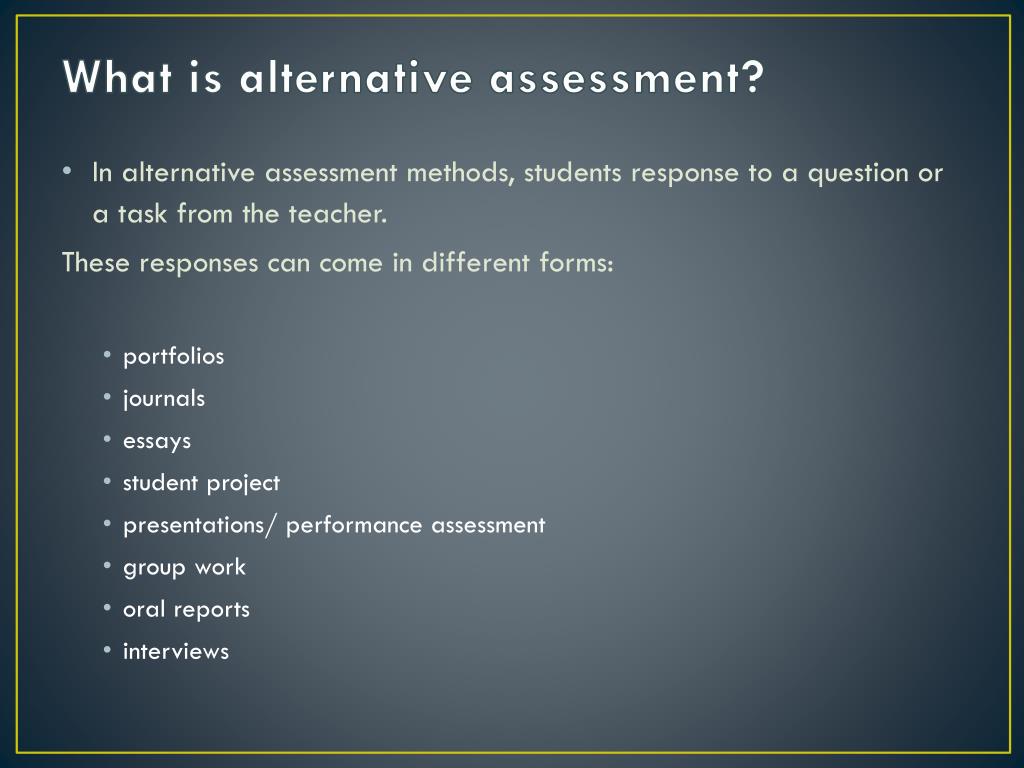
One such alternative assessment method utilized in Waldorf schools is portfolio assessment. Instead of relying solely on test scores, teachers collect samples of students’ work throughout the year and compile them into portfolios. These portfolios serve as a comprehensive representation of each student’s progress across various subject areas and allow for a deeper understanding of their growth over time.
👉 Check it out: Shop Essential Oils on Amazon
The use of portfolios in assessment provides several benefits. Firstly, it allows for a more authentic representation of students’ abilities by showcasing their actual work rather than just their performance on tests. This approach values process over product and emphasizes the importance of effort and improvement rather than simply achieving high grades.
Furthermore, portfolio assessment encourages self-reflection and goal-setting by involving students in the process. They have the opportunity to review their own work with guidance from teachers and assess their strengths and areas for improvement. This fosters metacognition skills – thinking about one’s thinking – which are essential for lifelong learning.
Another alternative assessment method commonly used in Waldorf education is narrative evaluation or descriptive feedback. Rather than assigning grades or percentages, teachers provide detailed written feedback that highlights specific strengths, areas for growth, and suggestions for further development.
This formative feedback promotes continuous improvement by focusing on individual progress rather than comparing students against each other based on numerical grades alone. It helps foster intrinsic motivation as students receive personalized guidance tailored to their unique needs.
Additionally, narrative evaluations promote effective communication between parents/guardians and teachers regarding each student’s academic journey. Parents can gain insight into their child’s accomplishments while also being made aware of areas where additional support may be beneficial. This partnership between parents and teachers is crucial in supporting students’ overall development.
Performance-based assessments are another alternative method utilized in Waldorf education. These assessments involve students demonstrating their understanding through creative projects, presentations, or performances. For example, a history unit on ancient civilizations might culminate in a group presentation where each student takes on the role of a historical figure and delivers an engaging monologue.
Performance-based assessments not only assess knowledge but also allow for the development and expression of creativity and critical thinking skills. They provide opportunities for students to engage deeply with the subject matter, encouraging active learning rather than passive memorization.
The use of alternative assessment methods aligns with the holistic philosophy of Waldorf education. By considering multiple dimensions of learning – including intellectual, emotional, social, physical, and artistic aspects – these methods acknowledge that students possess diverse talents and strengths beyond what can be measured by traditional tests.
However, it is important to recognize that alternative assessment methods require time and effort from both teachers and students. Collecting portfolios or providing detailed narrative evaluations necessitates careful observation and documentation throughout the year. Similarly, designing performance-based assessments requires thoughtful planning to ensure they align with curriculum objectives while allowing for individual expression.
In conclusion, exploring alternative assessment methods beyond traditional testing allows educators to gain a more comprehensive understanding of student progress and growth. Portfolio assessment provides an authentic representation of student work over time while promoting self-reflection and goal-setting. Narrative evaluations offer detailed feedback tailored to individual needs rather than relying solely on grades or percentages. Performance-based assessments foster creativity and critical thinking skills while assessing knowledge through engaging projects or presentations.
By implementing these alternative assessment methods inspired by Waldorf education principles, educators can create a more inclusive educational environment that values diverse abilities and supports each student’s unique journey towards success.
🛒 Recommended Products
As an Amazon Associate, we earn from qualifying purchases.
Disclosure: This post contains Amazon affiliate links. As an Amazon Associate, we earn from qualifying purchases at no additional cost to you.
 Alternative Amie
Leave a comment