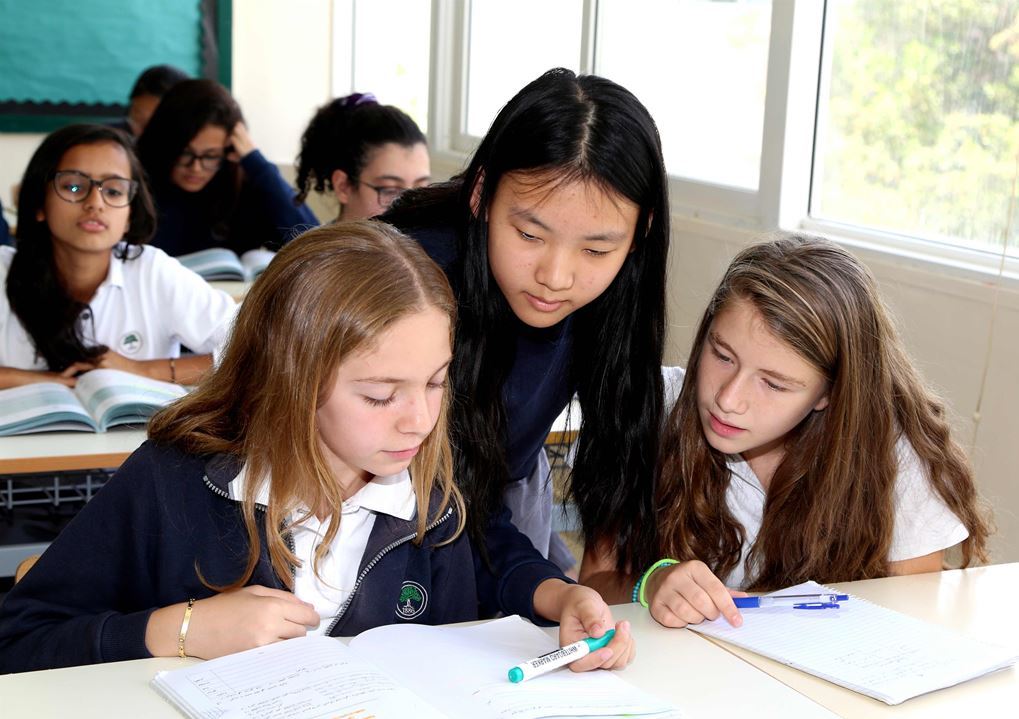
Peer Tutoring: Empowering Students through Collaborative Learning
Introduction:
In the world of education, there is a growing recognition that traditional classroom instruction may not meet every student’s individual needs. As a result, alternative approaches have emerged to address this concern and promote a more inclusive learning environment. One such approach gaining popularity is peer tutoring, where students take on the role of tutors to assist their fellow classmates in mastering academic subjects. This practice not only benefits the tutees but also empowers the tutors themselves, fostering leadership skills and promoting a sense of community within schools.
Definition and Principles:
Peer tutoring can be defined as an educational strategy where students with similar age or grade levels collaborate in teaching and learning activities. The underlying principle of peer tutoring is that individuals who are close in knowledge level can effectively support one another’s learning process. Tutors assume the role of mentors or guides rather than instructors, facilitating understanding by using methods tailored to the tutee’s unique learning style.
Benefits for Tutees:
One significant advantage of peer tutoring is its positive impact on tutees’ academic performance. When struggling students receive personalized attention from peers who understand their challenges firsthand, they often experience increased motivation and engagement with their studies. Peer tutors can break down complex concepts into simpler terms, provide examples relevant to their tutee’s interests, and offer immediate feedback during problem-solving exercises.
Moreover, peer tutoring improves self-confidence among tutees by offering them a safe space to ask questions without fear of judgment or embarrassment from authority figures like teachers. Through regular interactions with empathetic peers who share relatable experiences in overcoming educational hurdles, tutees develop resilience while building trustful relationships that extend beyond academic assistance.
Benefits for Tutors:
While helping others succeed academically, peer tutors also reap numerous personal rewards. Firstly, taking on the responsibility of guiding someone else’s learning journey fosters critical thinking skills as tutors must adapt their communication and teaching methods to suit different learning styles. This adaptability enhances the tutors’ own understanding of the subject matter and deepens their mastery.
Secondly, peer tutoring cultivates leadership skills. Tutors learn to communicate effectively, demonstrate patience, and practice empathy while guiding their tutees through challenges. These qualities are not only beneficial in an academic setting but also transferable to various real-life situations where effective communication and teamwork are essential.
Community Building:
Beyond its individual benefits, peer tutoring plays a crucial role in building a sense of community within schools. By establishing connections across grade levels or social groups, students develop a supportive network that extends beyond classroom walls. Peer tutors often become mentors who inspire younger students to strive for success academically, socially, and emotionally.
Furthermore, peer tutoring programs provide opportunities for students with diverse backgrounds to interact and understand each other better. This fosters respect for differences and promotes inclusivity within the school environment.
Conclusion:
Peer tutoring is an invaluable educational strategy that empowers both tutors and tutees alike. It offers struggling students personalized support from empathetic peers while providing tutor volunteers with opportunities for personal growth, enhanced subject knowledge, improved leadership abilities, and increased self-confidence. Moreover, by fostering a sense of community within schools through mentorship relationships between older students and younger ones across social divides, peer tutoring contributes to creating inclusive learning environments that celebrate diversity.
As alternative approaches continue gaining traction in education today’s world of education today , incorporating peer tutoring into traditional schooling systems can help create more holistic learning experiences where every student has access to quality education tailored according to their unique needs
 Alternative Amie
Leave a comment