Entrepreneurship Education through Experiential Learning Approaches
In today’s rapidly changing and dynamic world, traditional education models are often criticized for their inability to prepare students for real-world challenges. As a result, alternative schooling approaches have gained popularity, with experiential learning taking center stage. One particular area where this approach has shown immense promise is entrepreneurship education.
Experiential learning focuses on hands-on experiences that allow students to learn by doing. It encourages active participation, critical thinking, problem-solving skills, and collaboration – all essential qualities for aspiring entrepreneurs. By immersing students in real-life entrepreneurial situations, they can develop the mindset and skill set required to succeed in the business world.
One of the key advantages of experiential learning in entrepreneurship education is its ability to bridge the gap between theory and practice. Traditional classroom-based teaching often limits students’ exposure to theoretical knowledge without providing them with opportunities to apply it practically. Experiential learning flips this model by emphasizing practical application from day one.
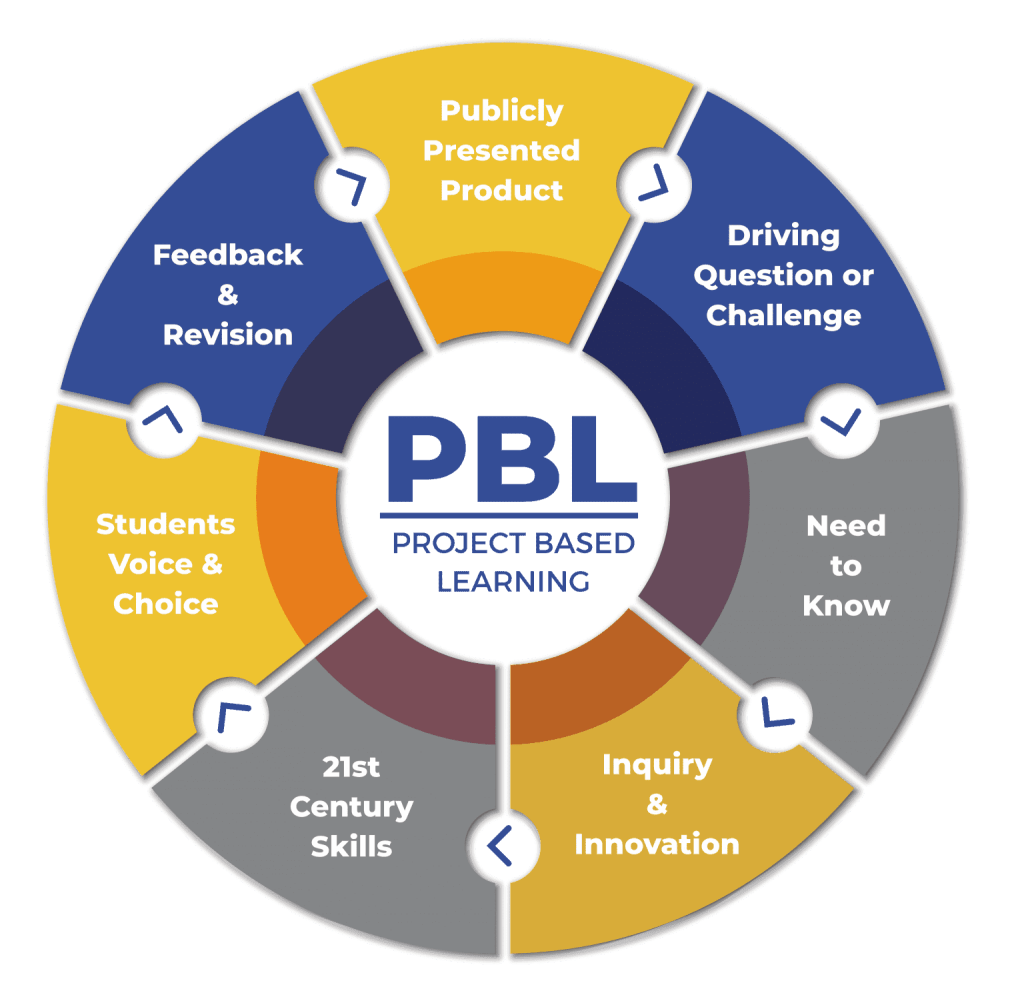
Through project-based activities like creating a business plan, launching a venture, or participating in simulated business competitions, students gain firsthand experience of what it takes to start and run a successful enterprise. They learn about market research techniques, product development strategies, marketing tactics, financial management principles – all while navigating real-world scenarios.
Beyond just imparting technical knowledge and skills needed for entrepreneurship success, experiential learning also fosters important personal development traits such as resilience and adaptability. Entrepreneurship is an inherently uncertain journey filled with risks and setbacks. Experiencing these challenges within a controlled environment helps students build emotional intelligence and learn how to bounce back from failures.
Furthermore, experiential learning provides ample space for creativity and innovation – two crucial ingredients for entrepreneurial success. Students are encouraged to think outside the box when solving problems or coming up with new business ideas. This freedom allows them to unleash their potential fully without being constrained by traditional educational structures.
Another benefit of experiential learning is its ability to create connections between aspiring entrepreneurs and real-world mentors and industry experts. By engaging with professionals who have already succeeded in their entrepreneurial ventures, students gain valuable insights, guidance, and networking opportunities. This exposure can significantly enhance their entrepreneurial journey by providing role models, inspiration, and access to resources that may not be available within the confines of a classroom.
Moreover, experiential learning enables students to develop essential teamwork and collaboration skills. Entrepreneurship is seldom a solo endeavor; it requires effective communication and cooperation with others. Through group projects or team-based simulations, students learn how to work together towards common goals while leveraging individual strengths.
Experiential learning also encourages an entrepreneurial mindset characterized by curiosity, risk-taking, problem-solving orientation, and adaptability – qualities that transcend the boundaries of business entrepreneurship itself. These attributes are highly valued in various domains ranging from social entrepreneurship to intrapreneurship within organizations.
In addition to fostering practical skills and personal development traits required for entrepreneurship success, experiential learning can also lead to tangible outcomes such as launching real startups or securing internships at innovative companies. Some alternative schooling institutions even provide incubation support for student-led ventures through partnerships with local businesses or startup accelerators.
However, it’s important to note that implementing effective experiential learning approaches requires careful planning and dedicated resources. Educators need proper training on facilitating these experiences while ensuring appropriate assessment methods are in place. Institutions should invest in creating supportive environments with access to relevant technology tools and mentor networks.
In conclusion, entrepreneurship education through experiential learning approaches has emerged as an effective way of preparing future entrepreneurs for the challenges they will face in the business world. By combining theoretical knowledge with practical application, this approach equips students with both the technical skills needed for venture creation as well as the personal qualities necessary for resilience and adaptability. Moreover, it fosters innovation, creativity, and collaboration – qualities that are highly sought after in today’s ever-evolving job market. As alternative schooling gains traction, experiential learning stands out as a valuable tool in shaping the entrepreneurs of tomorrow.
 Alternative Amie
Leave a comment