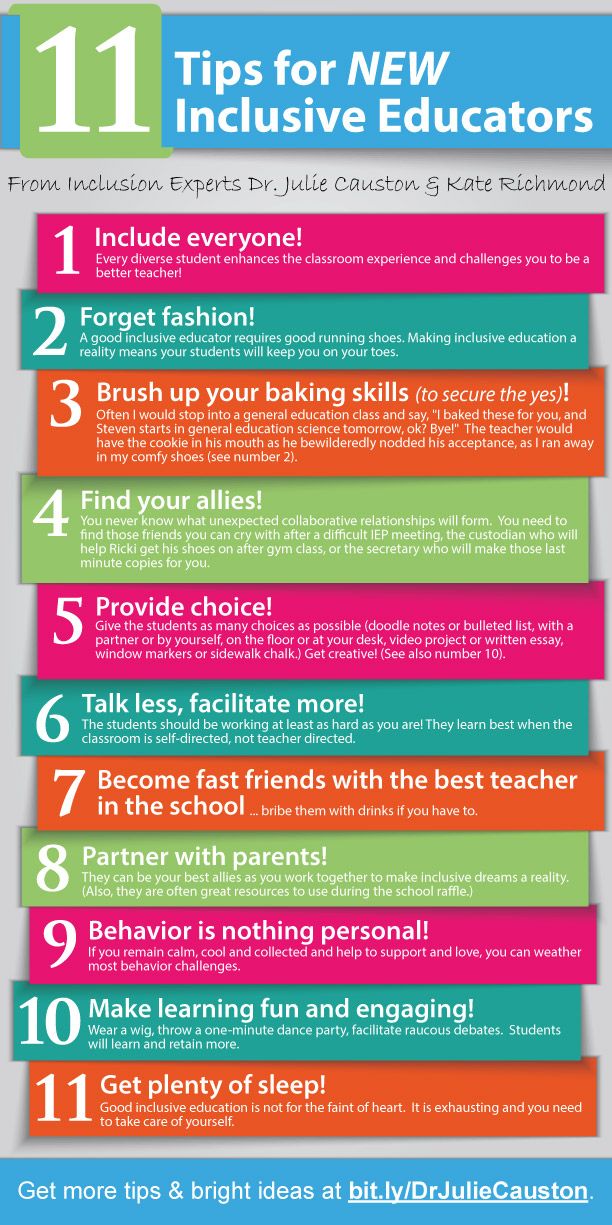
Classroom Modifications: Creating an Inclusive and Supportive Learning Environment
Introduction:
In today’s diverse educational landscape, classrooms are filled with students from various backgrounds, abilities, and learning styles. To ensure that all students have equal opportunities to learn and thrive, it is essential to create inclusive and supportive learning environments. Classroom modifications play a significant role in achieving this goal by adapting the physical space, instructional materials, and teaching strategies to meet the unique needs of each student.
1. Flexible Seating Arrangements:
Traditional rows of desks may not be suitable for all students’ needs. Implementing flexible seating arrangements allows students to choose a workspace that best suits their preferences and enables movement throughout the classroom. Options such as standing desks, stability balls, bean bags, low tables with cushions or floor mats can provide comfort while promoting focus and engagement.
2. Visual Supports:
Visual aids are powerful tools for enhancing communication and comprehension within the classroom environment. Incorporating visual supports like schedules, charts, labels, posters with key information or step-by-step instructions helps students better understand expectations and routines. Visual supports also benefit learners who struggle with auditory processing or have language barriers.
3. Assistive Technology:
Incorporating assistive technology into the classroom empowers students with disabilities or other specific challenges to access curriculum content more effectively. Devices such as text-to-speech software, speech recognition programs, alternative keyboards or switches enable those with motor impairments or reading difficulties to participate fully in class activities.
4. Multi-Sensory Materials:
Engaging multiple senses during instruction enhances learning experiences for all students but is particularly beneficial for those who rely heavily on sensory input for understanding concepts. Teachers can modify lessons by incorporating tactile objects (e.g., sandpaper letters), manipulatives (e.g., counting cubes), audio recordings (e.g., storytelling podcasts), videos/animations (e.g., virtual field trips) providing opportunities for kinesthetic exploration whenever possible.
5. Quiet Spaces and Sensory Breaks:
Some students may require designated quiet spaces or sensory breaks to help them regulate their emotions and attention effectively. Creating a calm area with soft lighting, comfortable seating, noise-cancelling headphones, or fidget toys can provide a safe haven for students to recharge and manage sensory overload when needed.
6. Individualized Learning Stations:
Creating individualized learning stations within the classroom allows teachers to personalize instruction further while addressing diverse student needs. These stations could include areas for small group instruction, independent workspaces equipped with necessary materials or technology, or even therapy corners providing occupational or speech therapy support.
7. Universal Design for Learning (UDL) Principles:
Adopting the principles of Universal Design for Learning ensures that instructional strategies cater to all learners’ needs from the outset rather than retrofitting accommodations later on. UDL encourages teachers to offer multiple means of representation (presenting information in various formats), action and expression (allowing alternative ways of demonstrating knowledge), and engagement (providing choices that promote motivation).
8. Collaboration Spaces:
Collaboration is an essential skill in today’s world, and creating dedicated collaboration spaces within the classroom fosters teamwork and peer-to-peer learning opportunities. These areas can feature round tables, whiteboards for brainstorming ideas collectively, comfortable seating arrangements that encourage open communication among students.
9. Noise Reduction Strategies:
For some students who struggle with auditory processing issues or have difficulty filtering out background noise, reducing unnecessary distractions becomes crucial for maintaining focus during lessons. Teachers can implement noise reduction strategies such as using carpets or rugs on floors to absorb sound, hanging curtains or acoustic panels on walls to dampen echoes, using white noise machines or headphones playing calming music as a buffer against external sounds.
10. Clear Organization Systems:
An organized classroom environment benefits all learners by facilitating easy access to materials and minimizing distractions caused by cluttered spaces. Teachers should establish clear organization systems for supplies, books, and other learning resources. Labels, color-coded bins or folders, and visual cues can help students locate and return materials independently.
Conclusion:
Creating a classroom environment that supports diverse learners is essential to ensure every student’s success. By implementing modifications such as flexible seating arrangements, visual supports, assistive technology, multi-sensory materials, quiet spaces, individualized learning stations, UDL principles, collaboration spaces, noise reduction strategies and clear organization systems; teachers can create inclusive and supportive environments where all students can thrive academically and emotionally. Remember that each student is unique with their own strengths and challenges – by embracing these modifications in our classrooms, we help pave the way for a more equitable education system.
 Alternative Amie
Leave a comment