Credit Scores: Understanding the Impact on Financial Health
Introduction:
In today’s world, credit plays a significant role in our financial lives. Whether you’re applying for a loan, renting an apartment, or even getting a new job, your credit score can greatly impact the opportunities available to you. This article aims to provide a comprehensive understanding of credit scores and their influence on our financial health.
What is a Credit Score?
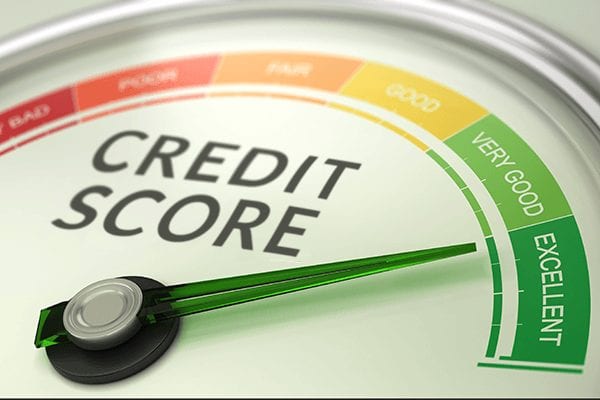
A credit score is a numerical representation of an individual’s creditworthiness based on their past borrowing and repayment behavior. It serves as an indicator for lenders to assess the risk associated with lending money to someone. In the United States, FICO (Fair Isaac Corporation) scores are widely used by lenders and range from 300 to 850 – the higher the score, the more favorable it is considered.
Factors Affecting Credit Scores:
Several key factors contribute to calculating your credit score:
1. Payment History:
This factor holds significant weight in determining one’s creditworthiness. Timely payments positively impact your score while late or missed payments can severely damage it.
2. Credit Utilization Ratio:
This ratio represents how much of your available credit you have utilized at any given time. Maintaining low utilization (typically below 30%) demonstrates responsible use of credit and can boost your score.
3. Length of Credit History:
The lengthier your history of managing different types of accounts responsibly, the better it reflects on your overall credibility.
4. Types of Credit Used:
Having a mix of revolving debt (credit cards) and installment loans (mortgages or car loans) shows that you can handle varied types of borrowing responsibly.
5. New Credit Inquiries:
Frequent applications for new lines of credit within a short timeframe may be seen as risky behavior by lenders and negatively affect your score temporarily.
Why Does Your Credit Score Matter?
Your credit score has far-reaching implications that extend beyond just being approved for loans or credit cards. Here are some areas where your credit score can significantly impact your financial well-being:
1. Loan Approvals:
When applying for a mortgage, auto loan, or personal loan, lenders evaluate your creditworthiness to determine the terms and interest rates you qualify for. A higher credit score increases the chances of approval and secures more favorable terms.
2. Interest Rates:
Borrowers with high credit scores are typically offered lower interest rates on loans and credit cards compared to those with lower scores. This difference in rates can save you thousands of dollars over time.
3. Rental Applications:
Landlords often use credit scores as an indicator of reliability when considering rental applications. A poor score may result in rejection or require additional security deposits.
4. Employment Opportunities:
Certain employers review an applicant’s credit history before extending a job offer, particularly for positions that involve handling finances or have high levels of responsibility.
5. Insurance Premiums:
Credit-based insurance scoring is used by many insurance companies to assess risk factors and set premiums accordingly. Individuals with lower scores may face higher premiums due to perceived risks.
Improving Your Credit Score:
If your current credit score isn’t where you’d like it to be, don’t fret! There are steps you can take to improve it:
1. Pay Bills on Time:
Consistently making payments by their due dates has a direct positive impact on your payment history, which accounts for a significant portion of your overall score.
2. Reduce Credit Card Balances:
Lowering your utilization ratio by paying down debts will demonstrate responsible borrowing habits and boost your score over time.
3. Limit New Credit Applications:
Avoid frequently applying for new lines of credit unless absolutely necessary as this can negatively affect both the length of your average account age and create unnecessary inquiries on your report.
4. Regularly Check Your Credit Report:
Monitor your report for any errors or fraudulent activity that could be damaging to your score. Reporting inaccuracies and resolving issues promptly can help improve your score.
5. Build Positive Credit History:
If you’re new to credit or have a limited credit history, consider opening a secured credit card or becoming an authorized user on someone else’s account to start building positive credit habits.
Conclusion:
Understanding the importance of your credit score is crucial for maintaining financial health in today’s society. By actively managing your finances, making timely payments, and keeping debt levels manageable, you can improve your creditworthiness over time. Remember that improving your credit score is a gradual process but one that can open up numerous opportunities for better financial stability and security in the long run.
 Alternative Amie
Leave a comment