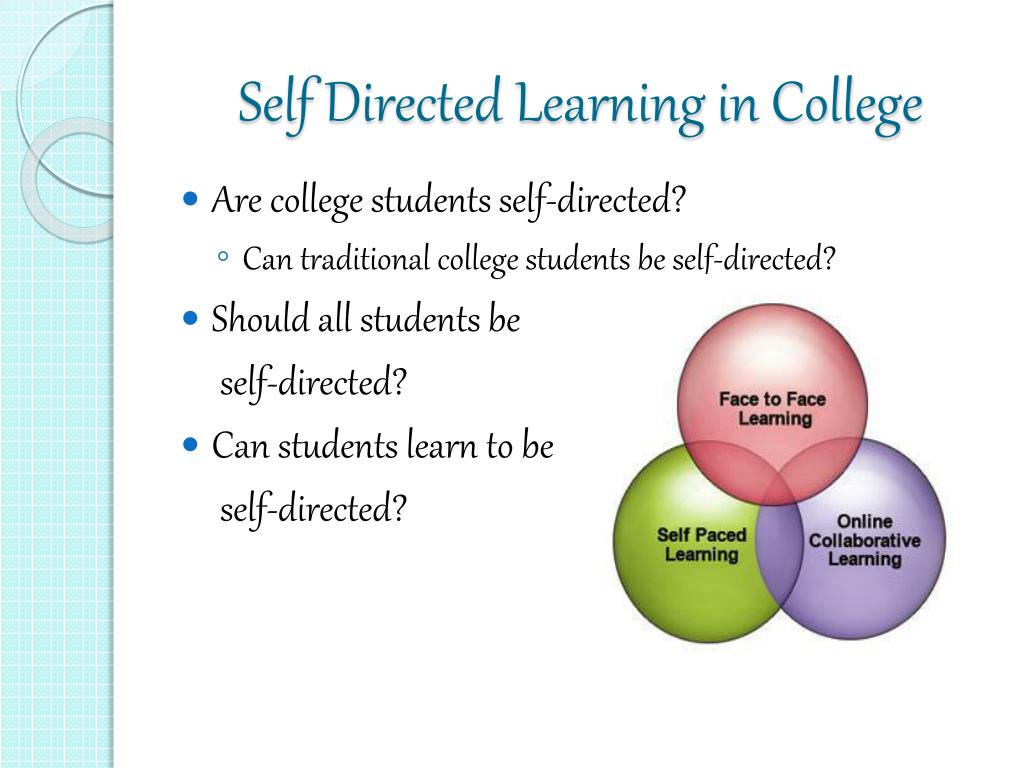
Self-directed learning is a powerful approach to education that allows individuals to take control of their own learning journey and pursue knowledge and skills based on their interests and passions. Unschooling, a philosophy rooted in self-directed learning, takes this concept even further by rejecting traditional schooling methods and advocating for a more flexible and personalized approach to education. In this article, we will explore the principles of unschooling, its benefits, challenges, success stories, as well as alternative assessments and community support available for unschooled teenagers.
Unschooling encourages learners to follow their curiosity and learn from real-life experiences rather than relying solely on textbooks or structured lessons. This approach recognizes that individuals have unique interests and talents that can thrive when given the freedom to explore them at their own pace. Instead of adhering to a set curriculum or schedule, unschoolers are encouraged to engage in project-based learning where they tackle real-world problems or pursue passion projects.
Project-based learning is an integral part of the unschooling philosophy. It involves students working on long-term projects that require critical thinking, problem-solving skills, collaboration with others, and independent research. By focusing on projects aligned with their interests, unschooled teenagers develop valuable skills such as time management, self-motivation, creativity, communication abilities while deepening their understanding of various subjects.
One common misconception about unschooling is that it lacks structure or guidance. However, this couldn’t be further from the truth. While traditional schools provide a predetermined structure for learning through classes and grades; in an unschooling environment parents act as facilitators rather than instructors who encourage exploration but also provide resources when needed.
Homeschooling vs Unschooling:
Although homeschoolers often choose specific curricula aligned with state standards or educational guidelines-unschoolers reject formal curricula altogether in favor of child-led education paths.
While homeschoolers may utilize textbooks or online courses-unschoolers prioritize hands-on learning experiences, self-discovery, and real-life opportunities.
One of the most frequently asked questions about unschooling is how it affects a child’s socialization. Some may worry that by not attending traditional school, unschooled teenagers could miss out on important social interactions. However, unschoolers often engage in various activities such as sports teams, clubs, community groups where they can interact with peers who share similar interests. Additionally, they have more freedom to connect with people of different ages and backgrounds outside the traditional school setting.
Another concern often raised by critics is whether unschooled teenagers will face difficulties when applying to college or pursuing higher education. The reality is that colleges and universities are increasingly recognizing alternative forms of education like unschooling. Admissions officers value unique experiences and perspectives that can come from self-directed learners who have pursued their passions independently. Unschoolers may need to put additional efforts into showcasing their accomplishments through portfolios or alternative assessments that demonstrate their skills and knowledge acquisition.
Unschooling is not limited to any particular country or region; it is a global movement embraced by families worldwide seeking alternatives to mainstream education systems. Different countries have varying regulations regarding homeschooling or unschooling but online communities provide support and resources for families navigating these legal requirements.
When it comes to resources and curricula for unschoolers, there is no shortage of options available today. Online platforms offer a wealth of educational websites, virtual classes taught by experts in various fields, interactive software programs designed specifically for self-directed learners.
Furthermore technology plays an essential role in the lives of many unschooled teenagers; access to information at our fingertips allows them limitless possibilities for exploration-the internet offers vast resources including e-books ,discussion forums,social networks etc..
Entrepreneurship naturally aligns with the principles of unschooling as it encourages individuals to identify problems in society or niches within markets-unschooled teenagers can develop entrepreneurial skills through project-based learning, real-world experiences, and mentorship programs.
Unschooling also has a positive impact on mental health. By allowing teenagers to pursue their interests and passions, unschooling provides an environment where they can thrive emotionally and intellectually. The flexibility of unschooling allows for more free time which can be used for self-care activities such as exercise, hobbies, meditation or spending time with family and friends.
Creativity flourishes in the unschooling environment. Without the constraints of traditional education systems that often prioritize conformity over individual expression-unschooled teenagers have the freedom to explore their artistic talents, engage in creative projects and integrate art into various aspects of their lives.
Life skills are an important aspect of unschooling. As teenagers take responsibility for their own learning they also develop essential life skills such as problem-solving abilities ,time management , critical thinking , self-motivation etc.. These skills serve them well not just academically but also in their personal lives and future careers.
Gifted teenagers often struggle within traditional educational settings due to a lack of challenge or opportunities that match their abilities; unschooling provides these individuals with the freedom to pursue advanced subjects at an accelerated pace while nurturing their unique talents and interests.
Similarly,special needs teenagers may find it challenging to thrive within mainstream schools that may not cater adequately to their specific needs-unschooling offers a flexible approach tailored specifically towards meeting these individuals’ requirements through personalized support structures,specialized resources,and community assistance.
Parental involvement is crucial in the success of an unschooled teenager’s education journey.They act as facilitators providing guidance when needed,facilitating access to resources or connecting with experts who can assist with specific areas of interest.Parents play a vital role by fostering independence,self-discipline,and helping create meaningful learning experiences.
Challenges faced by unschooled teenagers include societal expectations around traditional schooling,risk perception regarding college admissions,lack of structure, and potential social isolation. However, with the right support systems in place such as community groups or co-learning spaces unschooled teenagers can overcome these challenges.
Success stories of unschooled teenagers are abundant. Many have gone on to excel in their chosen fields, start successful businesses, or make significant contributions to society. Notable figures like Elon Musk and Steve Jobs were unschooled at some point in their lives and credit this alternative approach to education for nurturing their creativity and entrepreneurial spirit.
Alternative assessments play a crucial role for unschooling students when it comes to showcasing their achievements outside of traditional grading systems. Portfolios that showcase projects completed, skills developed ,real-world experience gained etc..are often used by colleges and universities during admissions processes.
Community support is vital for unschooled teenagers as they navigate through their learning journey. Local homeschooling associations or online communities provide opportunities for collaboration, socialization, resource sharing, mentorship programs,and shared experiences which can be invaluable in providing a sense of belonging and support network for both students and parents.
Balancing freedom and structure is an ongoing challenge within the world of self-directed learning.Unschoolers aim to strike a balance between providing autonomy while also offering guidance where needed; recognizing that structure can provide valuable frameworks within which freedom can thrive
Travel-based experiences are often integrated into the unschooling philosophy as they offer unique opportunities for hands-on learning,different perspectives,cultural immersion-unschooled teenagers may embark on trips around the world,following interests,making connections,and broadening horizons along the way.
Passion projects are an integral part of an unschooler’s journey.These self-driven endeavors allow teens to explore areas they’re deeply passionate about,giving them purpose,motivation,and a sense of accomplishment.Projects could range from writing novels,becoming proficient at musical instruments ,developing video games,coding creating art installations etc..
Building a portfolio becomes essential for unschooled teenagers who wish to showcase their skills and achievements to potential employers or colleges. Portfolios can include documented projects, samples of work, letters of recommendation, and any other evidence of learning experiences.
For unschooled teenagers who may not be interested in pursuing a traditional college education, there are various alternative paths available. Apprenticeships, vocational schools, online courses, internships or starting their own businesses are just a few examples of alternative avenues that allow them to continue learning and growing while following their passions.
In conclusion, unschooling offers an alternative approach to education that prioritizes self-directed learning based on individual interests and passions. It embraces project-based learning, encourages entrepreneurship and creativity while fostering essential life skills. Unschooling can be tailored to meet the needs of gifted or special needs teenagers by providing personalized support structures. Though it poses challenges such as societal expectations or lack of structure-unschooled teenagers can thrive with the right community support systems in place. Success stories abound among unschooled individuals who have gone on to excel in various fields. Alternative assessments like portfolios provide opportunities for showcasing achievements outside traditional grading systems while balancing freedom and structure becomes crucial within this educational philosophy.
 Alternative Amie
Leave a comment