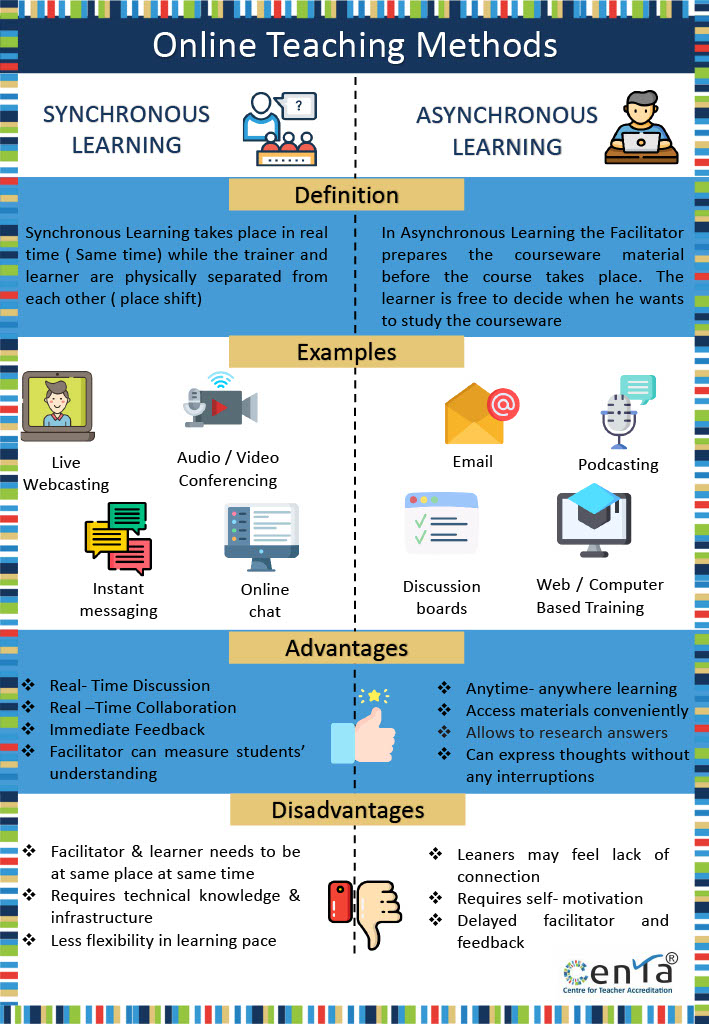
When it comes to alternative schooling and education, one important consideration is the learning style: synchronous or asynchronous. Synchronous learning refers to real-time interaction between teachers and students, while asynchronous learning allows for flexibility in time and pace.
Synchronous learning typically takes place through live video conferences or virtual classrooms, where students can participate in discussions, ask questions, and receive immediate feedback from their instructors. This method promotes engagement and collaboration among peers but may require fixed schedules that could be challenging for some learners.
On the other hand, asynchronous learning provides more flexibility as students can access course materials at their own convenience. They have the freedom to set their own pace when completing assignments or watching pre-recorded lectures. This approach suits individuals who prefer self-paced learning or those with busy schedules.
Both synchronous and asynchronous methods have their advantages. Synchronous learning offers real-time interaction, fostering a sense of community among students and providing immediate support from teachers. Asynchronous learning allows for personalized scheduling and accommodates diverse learner needs.
In conclusion, choosing between synchronous and asynchronous learning depends on individual preferences, availability, and desired outcomes. Some may thrive in a structured environment with live interactions, while others prefer the flexibility of self-paced study. Ultimately, alternative schools should aim to provide a balanced mix of both approaches to cater to different learners’ needs effectively.
 Alternative Amie
Leave a comment