Sustainable Development Education: Preparing Students for a Bright (and Green) Future
In today’s world, it has become increasingly important to prioritize sustainable development and environmental conservation. As we face the consequences of climate change and dwindling natural resources, it is crucial that we equip our future generations with the knowledge and skills necessary to tackle these challenges head-on. This is where sustainable development education comes in.
Sustainable development education focuses on integrating environmental, social, and economic considerations into all aspects of learning. It aims to empower students to be active participants in creating a more sustainable society while instilling values such as empathy, responsibility, and critical thinking.
One of the key components of sustainable development education is raising awareness about environmental issues. By educating students about topics like climate change, pollution, deforestation, and waste management, they can develop a deeper understanding of the impact their actions have on the planet. This knowledge empowers them to make informed choices in their daily lives that contribute towards a more sustainable future.
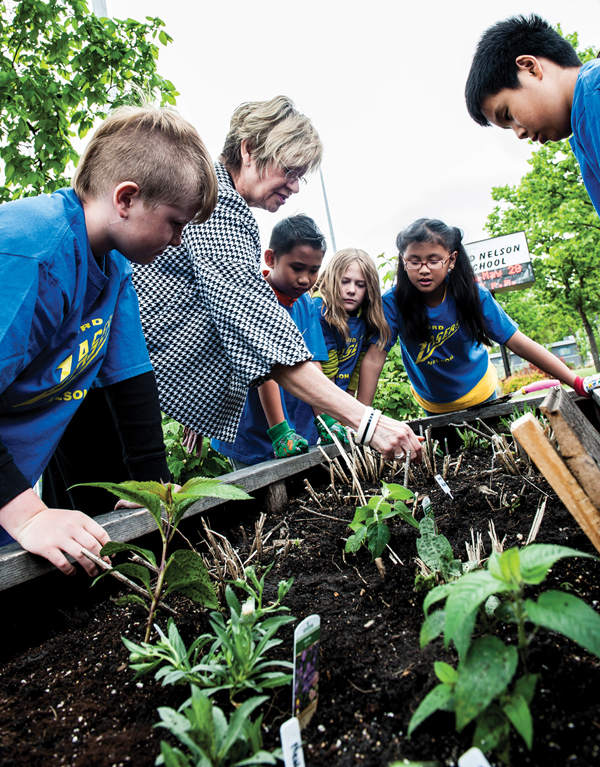
But sustainable development education goes beyond just theoretical knowledge; it encourages hands-on learning experiences as well. Many schools now incorporate practical activities like gardening projects or recycling initiatives into their curriculum. These experiential learning opportunities not only teach students valuable skills but also foster a sense of connection with nature and an appreciation for its beauty.
Moreover, sustainable development education promotes interdisciplinary learning by bridging different subjects together under one theme – sustainability. By exploring how various disciplines intersect with environmental issues – such as science, geography, economics, and even art – students gain a holistic view of sustainability rather than viewing it as separate from other areas of study.
Additionally, sustainable development education encourages critical thinking and problem-solving skills by presenting real-world dilemmas related to sustainability. Students are encouraged to analyze complex situations from multiple perspectives and come up with innovative solutions that balance environmental concerns with social equity and economic viability.
By incorporating ethical discussions into the curriculum, this type of education fosters empathy and a sense of global citizenship in students. They learn to consider the needs and rights of other people, as well as those of future generations when making decisions. This mindset shift encourages them to take responsibility for their actions and become active agents of change in their communities.
An important aspect of sustainable development education is promoting collaboration and community engagement. Students are encouraged to work together on projects that address local environmental issues or support sustainable practices within their school or neighborhood. These collaborative efforts not only strengthen interpersonal skills but also foster a sense of collective responsibility towards the environment.
Furthermore, sustainable development education emphasizes the importance of lifelong learning. It equips students with the necessary tools to continuously update their knowledge about sustainability, adapt to changing circumstances, and make informed choices throughout their lives. By instilling this value early on, we ensure that future generations remain committed to environmental stewardship even after they leave formal education settings.
While sustainable development education holds immense potential for creating a more environmentally conscious society, there are challenges that need to be addressed. One such challenge is integrating this type of education into existing curricula without overwhelming teachers or sacrificing core subjects’ content. Collaboration between educators, policymakers, and curriculum designers is crucial in finding innovative ways to include sustainability concepts across different disciplines effectively.
Another challenge lies in overcoming resistance or skepticism towards sustainability from some segments of society who may view it as unnecessary or politically motivated. Education plays a vital role in dispelling myths surrounding sustainability by presenting evidence-based information and fostering critical thinking among students.
In conclusion, sustainable development education provides an essential foundation for preparing students for a bright (and green) future. By equipping them with knowledge about environmental issues, fostering critical thinking skills, promoting collaboration and community engagement, instilling values like empathy and responsibility, and emphasizing lifelong learning – we empower our youth today to become leaders capable of addressing complex challenges tomorrow. Let us embrace this educational approach wholeheartedly so that every student can contribute towards building a more sustainable and equitable world.
 Alternative Amie
Leave a comment