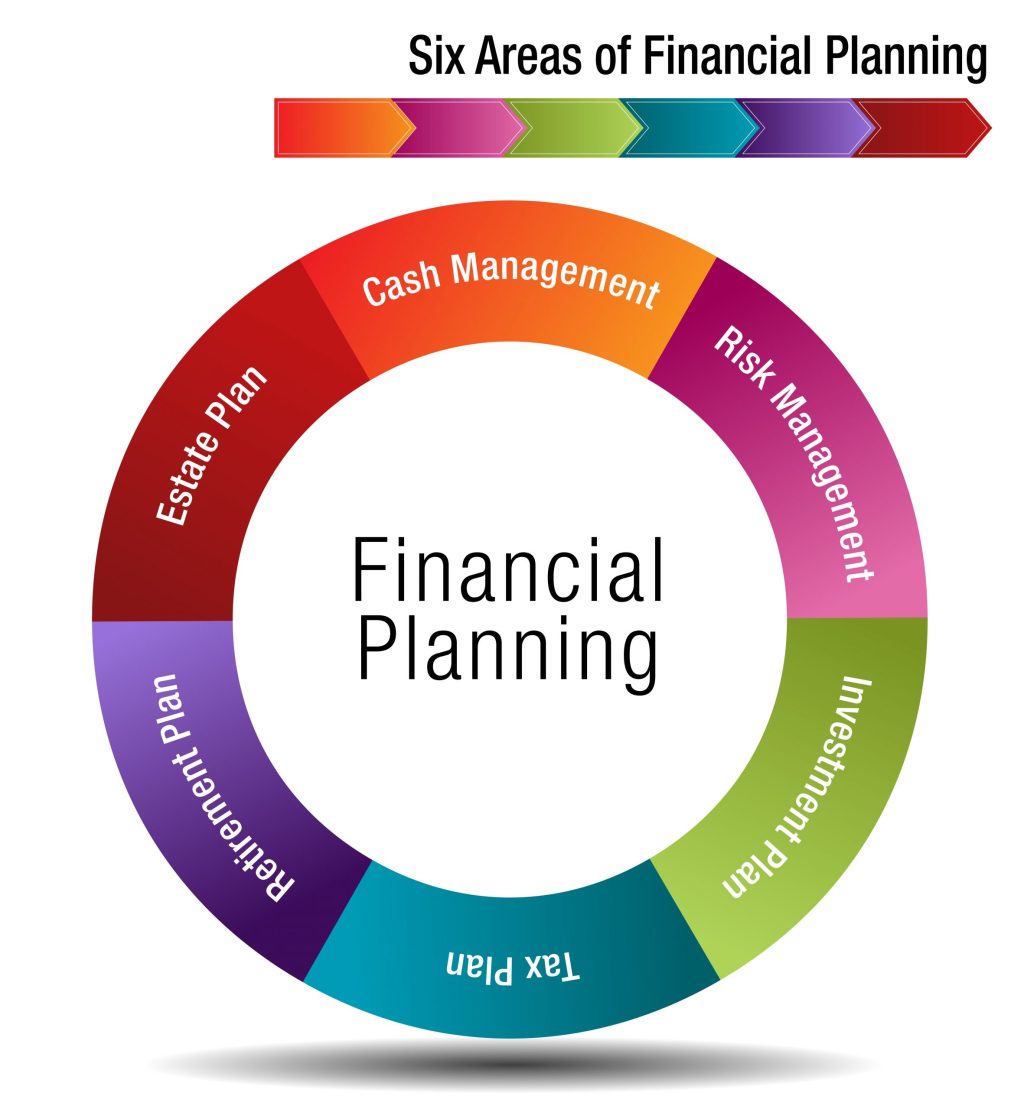
Creating a Personal Financial Plan
Having a personal financial plan is essential for anyone who wants to achieve their financial goals and live a financially secure life. A well-thought-out plan can help you manage your money effectively, pay off debt, save for the future, and ultimately gain control over your financial situation. Here are some steps to help you create a personal financial plan:
1. Assess Your Current Financial Situation: Start by evaluating your current income, expenses, assets, and liabilities. Take into account any outstanding debts or loans you may have. This will give you an overall picture of where you stand financially.
2. Set SMART Goals: Determine what you want to achieve financially in the short-term and long-term. Make sure your goals are Specific, Measurable, Achievable, Relevant, and Time-bound (SMART). For example, instead of saying “I want to save more,” set a specific target like “I want to save $10,000 in the next two years.”
3. Create a Budget: Develop a budget that aligns with your goals and helps track your income and expenses on a monthly basis. Categorize your expenses into fixed (e.g., rent/mortgage) and variable (e.g., groceries) costs. Allocate funds towards savings and debt repayment.
4. Reduce Debt: Prioritize paying off high-interest debts first while making minimum payments on others simultaneously. Consider strategies such as debt consolidation or negotiating lower interest rates with creditors.
5. Build an Emergency Fund: Save at least three to six months’ worth of living expenses in an easily accessible emergency fund account to provide security during unexpected situations like job loss or medical emergencies.
6. Invest Wisely: Once you have paid off high-interest debts and built an emergency fund, consider investing in low-cost index funds or other investment vehicles that align with your risk tolerance and long-term goals.
7. Monitor Your Progress: Regularly review your budget and track your spending to ensure you are staying on track. Make adjustments as necessary to keep yourself accountable and motivated.
8. Seek Professional Advice: If you feel overwhelmed or need guidance, consider consulting with a financial advisor who can provide personalized advice based on your specific situation.
Remember, creating a personal financial plan is not a one-time task; it requires ongoing evaluation and adjustment as your circumstances change. Stay disciplined, stay focused, and be patient with the process. With dedication and perseverance, you can create a solid financial plan that will help you achieve your dreams and secure your future.
 Alternative Amie
Leave a comment