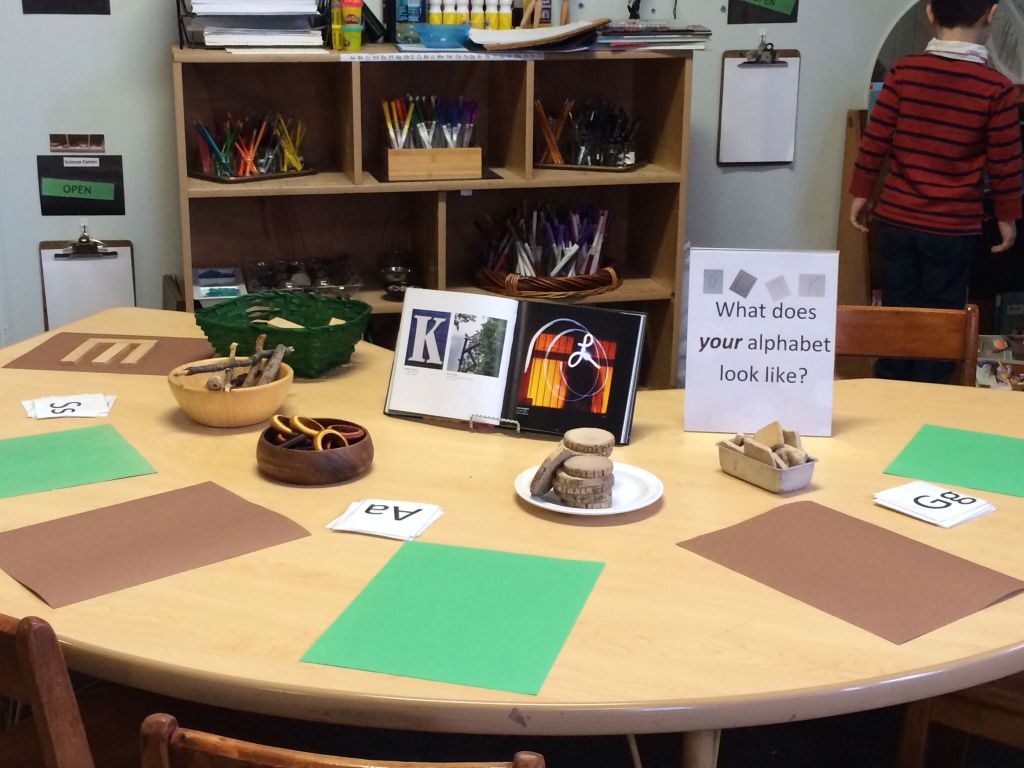
In the world of alternative education, there are many different approaches to fostering literacy and language development in young children. One approach that has gained popularity is the Reggio Emilia philosophy, which places a strong emphasis on using language as a tool for communication and expression.
To learn more about how Reggio-inspired schools promote literacy and language skills, I had the pleasure of speaking with Sarah Johnson, an experienced educator and advocate for this pedagogy. Sarah explained that in a Reggio-inspired classroom, literacy development is integrated into every aspect of daily life.
“In our school,” she shared, “we believe that literacy is not just about reading and writing; it’s about understanding and making meaning from the world around us. We want children to see themselves as competent communicators who have valuable ideas to share.”
In this approach, teachers act as facilitators rather than instructors. They create rich environments filled with materials that invite exploration and encourage dialogue. From books to art supplies to natural objects found during outdoor adventures, these materials serve as tools for children to express their thoughts and ideas.
Sarah emphasized the importance of open-ended questions and discussions in promoting language development: “We encourage children to ask questions, make connections between experiences, share stories from their lives, and engage in meaningful conversations with both peers and adults.”
One unique aspect of this philosophy is its focus on documentation. Teachers carefully observe children at play or engaged in various activities throughout the day. They take photographs or videos, jot down notes on conversations they overhear or participate in while interacting with students.
“This documentation serves multiple purposes,” said Sarah. “It helps us track each child’s progress over time but also provides opportunities for reflection.” The documentation is then displayed prominently within the classroom environment so that children can revisit their previous work independently or collaboratively with others.
The use of technology also plays a role in supporting literacy development within a Reggio-inspired setting. Digital tools such as tablets or digital cameras are used to capture moments of learning, allowing children to create multimedia presentations or e-books. These activities not only enhance their technical skills but also foster creativity and storytelling abilities.
Sarah highlighted the importance of parent involvement in supporting literacy development at home: “Parents are seen as partners in the learning process. We often invite them to participate in classroom activities or share stories from their own cultural backgrounds, which helps broaden the children’s understanding of language and literacy.”
In conclusion, Reggio-inspired schools offer a holistic approach to literacy and language development. By creating rich environments filled with diverse materials and fostering a collaborative and inquiry-based learning environment, these schools empower children to become confident communicators who see themselves as active participants in their own education. Through open-ended questioning, documentation of experiences, and integration of technology, Reggio-inspired schools provide an engaging and meaningful educational experience that promotes lifelong literacy skills.
 Alternative Amie
Leave a comment