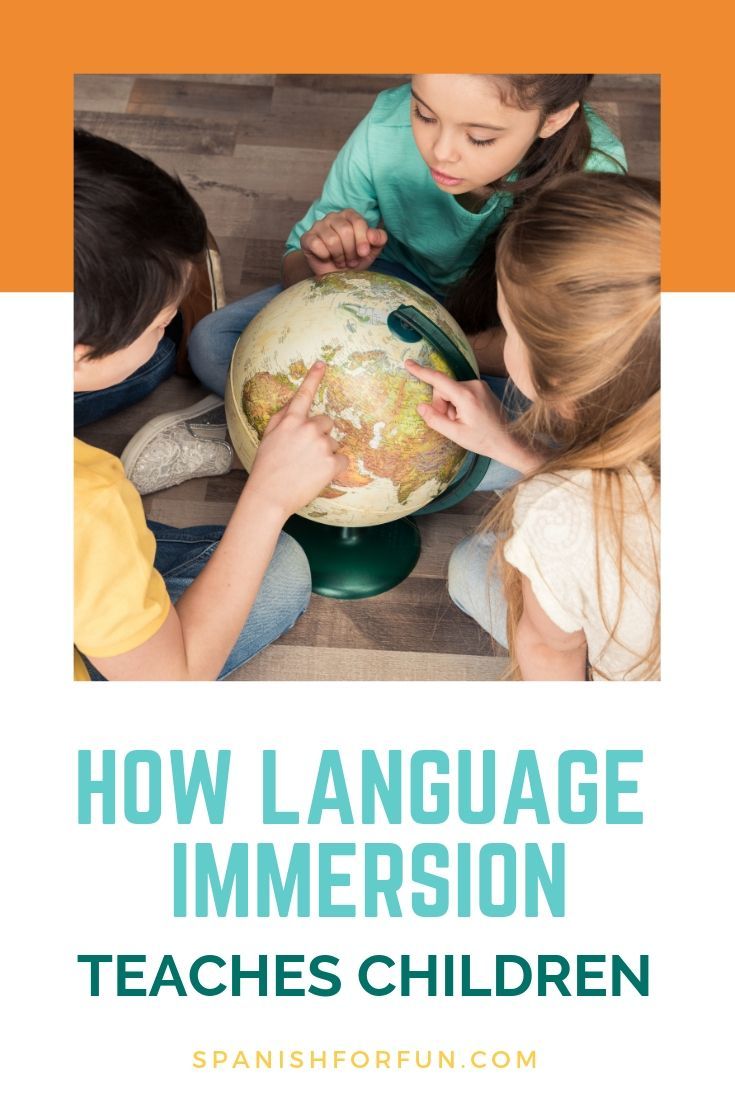
Immersion and Language Proficiency Levels: Exploring the Benefits of a Total Language Experience
In today’s globalized world, being fluent in multiple languages has become increasingly valuable. Not only does it open up new opportunities for personal and professional growth, but it also allows individuals to connect with diverse cultures and perspectives. While there are various methods to learn a new language, immersion stands out as one of the most effective ways to achieve high proficiency levels.
Immersion refers to an educational approach where learners are fully immersed in a target language environment. This can be achieved through living in a country where the language is spoken or by enrolling in an immersion program that replicates this environment. The key aspect of immersion is continuous exposure to and use of the target language throughout daily life.
One significant advantage of immersion is its ability to accelerate language acquisition. When learners are surrounded by native speakers who communicate solely in the target language, they naturally develop their listening skills and begin understanding context without relying heavily on translations or dictionaries. Moreover, constant engagement with the language helps build vocabulary effortlessly because learners see words used in context repeatedly.
Another benefit of immersion lies in its impact on speaking skills. By regularly conversing with native speakers, learners improve their pronunciation, intonation, and overall fluency. They gain confidence as they navigate real-life situations using the target language exclusively. In an immersive setting, mistakes become learning opportunities rather than discouragements.
Furthermore, immersion provides insight into cultural nuances that enhance not only linguistic competence but also intercultural communication skills. Learning about customs, traditions, etiquette norms promotes understanding between individuals from different backgrounds and fosters respect for diversity.
It is important to note that while immersion accelerates proficiency development significantly compared to traditional classroom settings alone; it does not guarantee automatic fluency overnight. Achieving true fluency requires dedication beyond just attending an immersive program or living abroad; additional practice outside structured environments remains crucial.
However, despite these advantages, immersion might not be suitable for everyone. Some individuals may find it challenging to adapt to a completely foreign environment and initially struggle with communication. Additionally, immersion programs can be costly and may not be accessible to all learners.
In conclusion, immersion is an effective method for developing language proficiency levels. Its ability to accelerate acquisition, improve speaking skills, and enhance cultural understanding make it a valuable approach for those seeking high-level language competency. While it may not be suitable or accessible for everyone, combining immersive experiences with additional practice outside the program can lead to significant linguistic development. Ultimately, choosing the right learning method depends on individual preferences and goals.
 Alternative Amie
Leave a comment