Parent Involvement in Waldorf Schools: A Retrospective
Introduction:
Waldorf education, which originated in the early 20th century by Rudolf Steiner, has gained popularity around the world for its holistic approach and emphasis on creativity. One of the distinguishing features of Waldorf schools is their commitment to fostering a strong partnership between parents and teachers. This collaborative relationship plays a vital role in supporting children’s educational journey and overall development. In this retrospective article, we will explore the significance of parent involvement in Waldorf schools, how it has evolved over time, and its impact on students’ learning experiences.
Historical Context:
To understand parent involvement in Waldorf schools today, it is essential to look back at the origins of this educational philosophy. When Steiner founded the first Waldorf school in Stuttgart, Germany, in 1919, he envisioned an education system that would nurture children’s physical, emotional, intellectual, and spiritual growth. Central to his vision was the belief that parents should actively participate in their child’s schooling.
Steiner believed that when parents are involved in their child’s education process from a young age until adolescence, they develop a deeper understanding of their child’s unique needs and strengths. This knowledge enables them to provide comprehensive support at home while aligning with the principles taught within the school environment.
Traditional Roles of Parents:
In traditional educational settings where parents act primarily as supporters or observers from afar, Waldorf schools take a different approach. Parental involvement extends beyond fundraising events or occasional volunteer work; instead becomes integral to every aspect of their child’s educational experience.
At its core lies open communication between teachers and parents through regular meetings or conferences called “parent-teacher evenings.” These gatherings serve as opportunities for both parties to discuss students’ progress academically and socially while also addressing any concerns or challenges that may arise along the way.
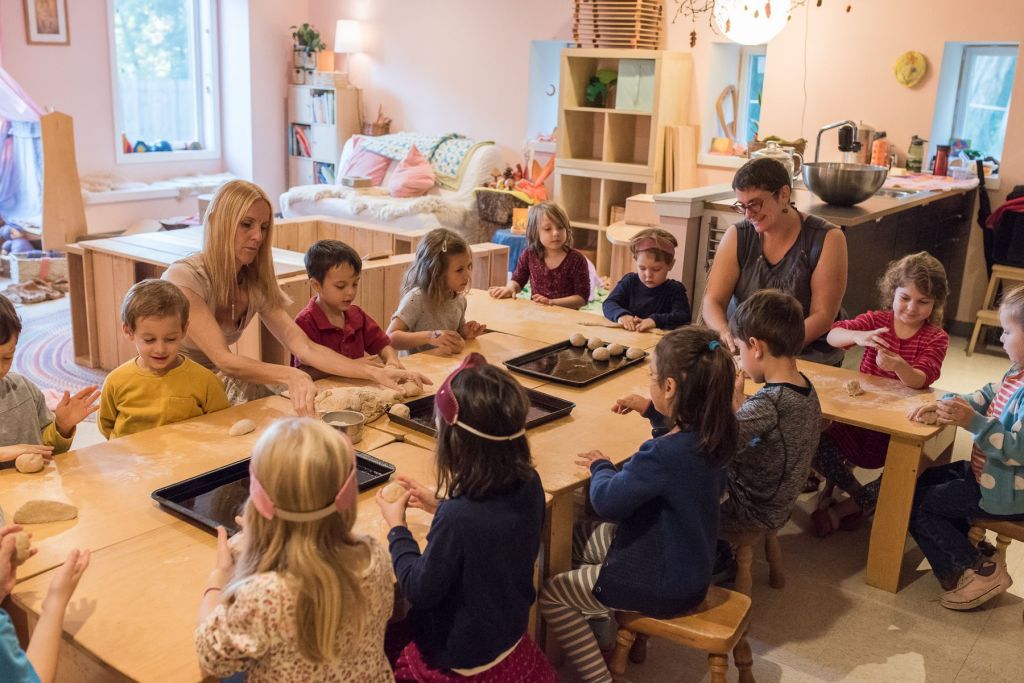
Additionally, parents are encouraged to engage with classroom activities such as assisting teachers during festivals, helping with craft projects, or sharing their expertise in specialized subjects. This involvement not only strengthens the bond between parents and children but also creates a sense of community within the school.
Evolution of Parent Involvement:
Over time, the concept of parent involvement in Waldorf schools has evolved, adapting to societal changes and educational trends. Initially, parent participation revolved mainly around supporting teachers’ efforts within the classroom. However, as education systems began to recognize the importance of parental engagement in a child’s learning journey, Waldorf schools expanded their approach.
Today, parent involvement encompasses various aspects beyond direct classroom support. Parents actively participate in decision-making processes through elected committees or boards that help shape school policies and programs. This level of collaboration ensures that parents have a voice in determining the direction and development of their child’s education.
Furthermore, many Waldorf schools now offer workshops and seminars for parents on topics like child development, parenting strategies aligned with Waldorf principles, and artistic activities practiced at home. These initiatives aim to empower parents by providing them with resources and knowledge necessary to create an enriching environment for their child’s growth both inside and outside of school.
Impact on Students:
The impact of parental involvement in Waldorf schools is profound on students’ educational experiences. Studies consistently show that when parents are actively engaged in their children’s schooling, academic performance improves significantly across all grade levels.
In a typical traditional setting where parent-teacher communication is limited or sporadic at best, children may feel disconnected from their academic progress. However, when involved parents attend conferences regularly or engage directly with teachers about ongoing challenges or achievements faced by their child; it fosters a sense of accountability for both parties involved.
Additionally, parental involvement enhances students’ overall well-being by creating a supportive network within the school community. When children witness their parents valuing education through active participation; it reinforces positive attitudes towards learning while boosting self-confidence and motivation.
Moreover, parental involvement in Waldorf schools goes beyond academic support. The holistic approach of this educational philosophy recognizes the importance of nurturing a child’s artistic, social, and emotional growth alongside intellectual development. Parents actively contribute to festivals, plays, or other cultural events; allowing children to witness their commitment to creativity and self-expression.
Challenges:
While parent involvement in Waldorf schools brings numerous benefits, it is not without its challenges. Time constraints often pose a significant obstacle for parents who juggle work and family commitments. The demand for active participation may sometimes overwhelm parents already facing busy schedules.
Additionally, the level of parental involvement can vary depending on individual circumstances such as single-parent households or families with limited resources. Schools must address these challenges by providing flexible opportunities for parents’ engagement that accommodate diverse needs and situations.
Conclusion:
Parental involvement has been an integral part of Waldorf education since its inception. It has evolved from traditional roles to encompass more comprehensive participation in decision-making processes and support systems within the school community. Parental engagement not only enhances students’ academic performance but also contributes significantly to their overall well-being and personal growth.
Waldorf schools recognize parents as essential partners in their children’s education journey; valuing their input through open communication channels while providing resources necessary for meaningful participation. By fostering a strong collaboration between teachers, parents, and students; Waldorf schools create an environment where every child feels supported both at home and at school – ultimately laying the foundation for lifelong learning success.
 Alternative Amie
Leave a comment