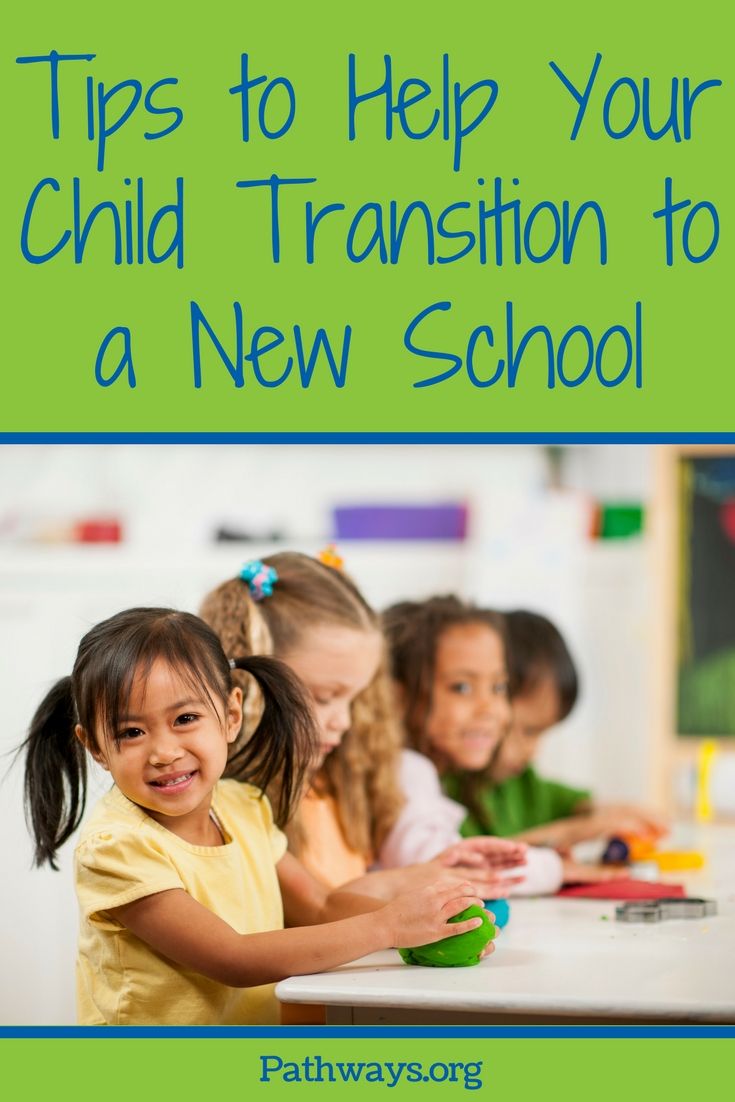
Transitioning from Large to Small Schools: Top 10 Tips for a Smooth Experience
When it comes to education, one size does not fit all. While large schools may offer extensive resources and diverse opportunities, some students may find themselves lost in the crowd or struggling to connect with teachers and classmates. Transitioning from a large school to a smaller one can be an exciting opportunity for personal growth and academic success. In this article, we will explore the top 10 tips for making that transition smooth and rewarding.
1. Research your options:
Before making the switch to a smaller school, take the time to research different institutions thoroughly. Look into their curriculum, teaching methods, extracurricular activities, and student support services. Consider what you value most in an educational environment – whether it’s individual attention from teachers or closer-knit social connections – and choose a school that aligns with your preferences.
2. Visit prospective schools:
Once you have identified potential smaller schools, schedule visits or open house events to get a feel for their atmosphere and community. Take note of class sizes, facilities, interaction between students and teachers, as well as overall campus vibes. This firsthand experience will help you make an informed decision about which school is the best fit for you.
3. Reach out to current students:
Connect with current students at the small schools you are considering transferring into. Seek their insights on academics, social life, clubs/organizations available on campus – anything that interests you! Current students can provide valuable information about daily life in these schools and help paint a clearer picture of what awaits you.
4. Prepare emotionally:
Moving from a large school where anonymity might have been prevalent to a small school where everyone knows each other can be intimidating at first. Take some time before your transition date to mentally prepare yourself for building new relationships within this close-knit community setting.
5. Embrace personalized attention:
One significant advantage of attending a smaller school is the increased individual attention from teachers. Take advantage of this opportunity to engage in meaningful discussions, ask questions, and seek clarification when needed. Building strong relationships with your instructors will not only enhance your academic experience but also provide you with valuable mentorship.
6. Get involved:
Small schools often offer a variety of clubs, organizations, and extracurricular activities that foster a sense of community among students. Joining these groups can help you make friends who share similar interests and passions while providing opportunities for personal growth outside the classroom.
7. Seek support services:
Transitioning to a smaller school may come with unique challenges for some students. If you find yourself struggling academically or emotionally during the transition process, don’t hesitate to seek support services such as tutoring, counseling, or mentoring programs offered by the school. These resources are designed to help students navigate any difficulties they may encounter along their educational journey.
8. Foster connections:
Take an active role in building relationships within your new school’s community. Attend social events, participate in group activities, and initiate conversations with classmates – both inside and outside of class settings. By making an effort to connect with others, you’ll quickly become part of the tight-knit fabric that makes small schools so special.
9. Embrace diversity:
While small schools may have fewer students overall compared to larger institutions, they can still be incredibly diverse in terms of background, experiences, and perspectives. Be open-minded and embrace this diversity as an opportunity for personal growth and broadening your horizons.
10. Stay positive:
Finally, maintain a positive attitude throughout your transition process! It’s normal to feel overwhelmed initially but remember that change brings new opportunities for learning and self-discovery. Embrace the advantages that come with attending a smaller school – closer relationships with peers and teachers alike – as you embark on this exciting new chapter in your education journey.
In conclusion,
Transitioning from large schools to smaller ones can be an enriching experience for students seeking a more intimate and supportive educational environment. By researching your options, visiting prospective schools, connecting with current students, preparing emotionally, embracing personalized attention, getting involved in the school community, seeking support services when needed, fostering connections with classmates, embracing diversity, and maintaining a positive attitude throughout the transition process – you will set yourself up for success in your new small school setting. Embrace this opportunity to grow academically and personally as you embark on an exciting new chapter of your educational journey.
 Alternative Amie
Leave a comment