The Montessori Method is an educational approach that has gained popularity over the years for its unique and effective teaching techniques. Developed by Dr. Maria Montessori in the early 1900s, this method focuses on fostering a child’s natural curiosity and independence through hands-on learning experiences.
If you’re considering alternative schooling options for your child, here are 15 reasons why you should consider the Montessori Method:
1. Child-Centered Approach: The Montessori Method places the child at the center of their education. Teachers act as guides, observing each child’s individual needs and interests, allowing them to progress at their own pace.
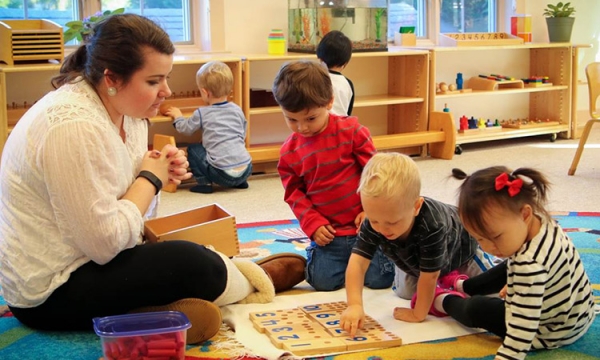
2. Prepared Environment: Montessori classrooms are carefully designed to provide a nurturing environment for children to learn and explore freely. Each classroom is equipped with age-appropriate materials that encourage self-directed learning.
3. Mixed-Age Groups: Unlike traditional classrooms where children are grouped solely by age, Montessori classrooms have mixed-age groups spanning three years (e.g., 3-6-year-olds). This setup promotes collaboration, empathy, and leadership skills among students.
4. Individualized Learning: Since each child progresses at their own pace in a Montessori classroom, they receive personalized attention from teachers who tailor activities to suit their specific needs and abilities.
5. Hands-On Learning: The Montessori Method emphasizes hands-on learning experiences rather than rote memorization or passive listening. Children engage with concrete materials that help them develop essential cognitive skills while making abstract concepts more tangible.
6. Freedom Within Limits: While there is structure within a Montessori classroom, children are given freedom to choose activities based on their interests within certain boundaries set by the teacher. This fosters independence while teaching them responsibility and self-discipline.
7. Focus on Practical Life Skills: Practical life activities such as pouring water or dressing oneself are an integral part of the Montessori curriculum. These activities help children develop fine motor skills, concentration, and independence in their daily lives.
8. Multi-Sensory Approach: Montessori materials are designed to engage multiple senses simultaneously. This allows children to learn through seeing, touching, smelling, and even tasting when appropriate. The multi-sensory approach enhances learning retention and understanding.
9. Respect for Nature: Montessori education emphasizes the importance of environmental awareness and sustainability. Children are encouraged to care for plants and animals within the classroom as well as participate in outdoor activities that connect them with nature.
10. Emphasis on Peace Education: Montessori classrooms prioritize peace education by promoting conflict resolution skills, empathy, respect for others’ differences, and global citizenship from a young age.
11. Self-Directed Learning: In a Montessori classroom, children take ownership of their learning journey by choosing activities based on their interests. This fosters intrinsic motivation and a love for learning that extends beyond the classroom walls.
12. Focus on Social Skills: Collaborative work is an integral part of the Montessori Method. Through group activities and mixed-age interactions, children develop social skills such as communication, cooperation, empathy, and leadership qualities.
13. Holistic Development: The Montessori Method focuses not only on academic growth but also on nurturing emotional intelligence and character development in children. It aims to create well-rounded individuals who are confident, compassionate, creative thinkers.
14. Long-Term Success: Numerous studies have shown that students who have received a Montessori education tend to excel academically while developing critical thinking skills essential for lifelong learning success.
15. Lifelong Love for Learning: Perhaps one of the most significant benefits of the Montessori Method is instilling a lifelong love for learning in children from an early age. By fostering curiosity and self-motivation during their formative years in school, they become active participants in their own educational journeys throughout life.
In conclusion, the Montessori Method offers a unique and effective approach to education. By focusing on child-centered learning, hands-on experiences, individualized attention, and holistic development, this method prepares children for success not only academically but also in their personal lives. Whether you’re seeking an alternative schooling option or simply want to provide your child with a nurturing and stimulating educational environment, the Montessori Method is undoubtedly worth considering.
 Alternative Amie
Leave a comment