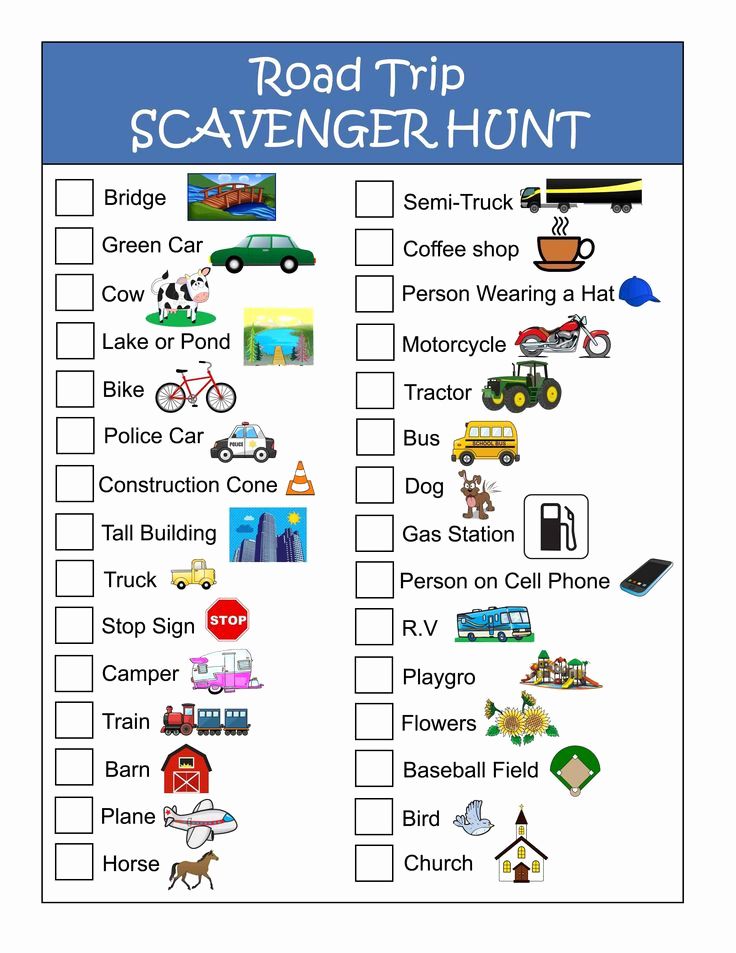
Roadtrips: An Alternative Schooling Adventure
In the world of education, there are endless possibilities for learning outside the traditional classroom setting. One such adventure that provides a unique and immersive experience is going on a road trip. Road trips offer students an opportunity to explore various destinations, learn about different cultures, and gain valuable life skills along the way. Whether it’s a short weekend getaway or an extended journey across multiple states or countries, road trips can be both enjoyable and educational.
One of the most significant advantages of embarking on a road trip as part of alternative schooling is the ability to create a customized curriculum tailored to individual interests and passions. Traditional subjects like history, geography, science, and language arts can all be incorporated into this experiential approach to learning.
For instance, visiting historical landmarks such as Gettysburg in Pennsylvania or Alcatraz Island in California allows students to witness firsthand the events that shaped our nation’s history. Exploring these sites not only enhances their understanding but also provides them with a deeper connection to what they have learned in textbooks.
Geography comes alive during road trips when students traverse diverse landscapes and encounter distinct geographical features such as mountains, deserts, rivers, and coastlines. From driving along the iconic Pacific Coast Highway with its breathtaking ocean views to hiking through national parks like Yellowstone or Yosemite where geysers erupt amidst stunning natural beauty – these experiences foster a sense of wonderment while reinforcing knowledge gained from maps and textbooks.
Science becomes more tangible when students engage with nature during their travels. They can study ecosystems by observing wildlife habitats in action at places like Everglades National Park in Florida or Glacier National Park in Montana. Additionally, hands-on activities like collecting rock samples or stargazing under clear night skies provide an opportunity for real-world application of scientific concepts taught in classrooms.
Language arts takes on new meaning during road trips as well. Students can practice writing skills by keeping travel journals, describing their experiences, and reflecting on the places they visit. Reading local literature or visiting libraries along the way can also inspire a deeper appreciation for storytelling and diverse writing styles.
Furthermore, road trips offer countless opportunities to develop essential life skills that go beyond academics. Traveling requires planning, budgeting, navigating, problem-solving, and adapting to new environments – all of which contribute to personal growth and development.
Planning a road trip involves creating itineraries, researching destinations, booking accommodations, estimating expenses, and managing time effectively. Students can actively participate in these tasks under the guidance of their parents or educators. This hands-on experience teaches them valuable organizational skills that will serve them well throughout their lives.
When unexpected situations arise during travel – such as getting lost or experiencing car trouble – students learn how to problem-solve on the spot. These real-life challenges provide an opportunity for critical thinking and decision-making outside the comfort zone of a classroom environment.
Road trips also foster adaptability as students encounter different cultures and customs while traveling through various regions or countries. Experiencing firsthand how people live differently from one another promotes tolerance, empathy, and a broader worldview.
Moreover, road trips encourage social interaction with fellow travelers along the way. Whether it’s striking up conversations at rest stops or sharing experiences with other families staying at campgrounds or hotels – this form of informal networking builds communication skills and enhances social intelligence.
Lastly but equally important is fostering family bonds during road trips. Spending quality time together away from daily routines strengthens relationships between parents and children. The shared memories created during these adventures become cherished moments that shape family dynamics positively.
In conclusion, embarking on a road trip provides an alternative schooling approach packed with educational benefits for students of all ages. From exploring historical landmarks to experiencing breathtaking landscapes; from studying science in nature’s laboratory to developing essential life skills – each aspect contributes to holistic learning beyond textbooks.
By integrating subjects like history, geography, science, and language arts into a real-world context, road trips offer students an immersive educational experience. Furthermore, the personal growth and development that come from planning, problem-solving, adapting to new environments, and building social skills make this alternative schooling adventure even more valuable.
So why not hit the open road? Embark on a journey of discovery where learning becomes an adventure and education takes on a whole new meaning.
 Alternative Amie
Leave a comment