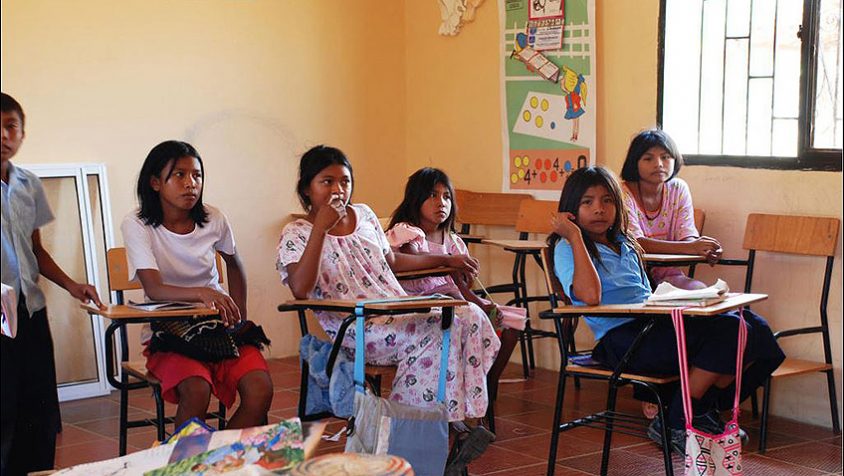
Indigenous Education Initiatives: Empowering Communities Through Knowledge
In recent years, there has been a growing recognition of the importance of Indigenous education initiatives in empowering and revitalizing Indigenous communities. These initiatives aim to provide culturally relevant and inclusive education that honors Indigenous knowledge systems, languages, and traditions while equipping students with the skills they need for success in the modern world. In this article, we will explore some exemplary Indigenous education programs that are making a positive difference in various parts of the world.
👉 Check it out: Shop Holistic Health Book on Amazon
One such initiative is the “First Nations Schools” program in Canada. Recognizing that mainstream educational systems have often marginalized Indigenous cultures and histories, First Nations Schools were established to address these gaps. These schools incorporate traditional teachings alongside standard academic curriculum to ensure a holistic approach to learning. They prioritize cultural immersion by incorporating elders into classrooms as teachers or mentors and offering Native language instruction.
👉 Check it out: Shop Essential Oils on Amazon
The “Tjulyuru Cultural and Civic Hub” is another remarkable initiative based in Australia’s Western Desert region. This hub serves as an educational center focused on preserving Aboriginal culture and heritage through various activities such as storytelling, art workshops, dance classes, and language lessons. By actively involving community members in sharing their knowledge with younger generations, Tjulyuru ensures the transmission of cultural wisdom from one generation to another.
Moving beyond formal schooling systems, there are also innovative projects like the “Skwetu Program” taking place among indigenous communities in North America. Skwetu brings together elders, youth leaders, educators, artists, and activists to create alternative spaces for learning rooted in indigenous values. Here young people can engage with their culture through experiential learning activities like land-based teachings focusing on sustainable practices or traditional arts and crafts workshops.
Similarly impactful is New Zealand’s “Kura Kaupapa Māori,” which translates to Māori-language immersion schools. Kura Kaupapa Māori aims at revitalizing te reo Māori (the Māori language) and nurturing a strong sense of cultural identity among indigenous students. These schools offer an environment where students learn entirely in te reo Māori, while also incorporating Māori customs, values, and practices into the curriculum. By creating a safe space for indigenous language and culture to thrive, Kura Kaupapa Māori helps combat the historical suppression of Indigenous knowledge.
In South America’s Andean region, the “Intercultural Bilingual Education” (IBE) program is transforming education for Indigenous communities. IBE promotes bilingualism by integrating both Indigenous languages and Spanish into the curriculum. It also incorporates traditional knowledge systems such as agriculture techniques or medicinal plant use alongside standard subjects like math or science. By honoring indigenous cultures and promoting bilingualism, IBE fosters pride among students while preparing them for broader opportunities beyond their communities.
These initiatives demonstrate that Indigenous education goes beyond classroom learning; it encompasses community engagement, cultural preservation, and intergenerational knowledge transfer. By embracing these principles in their education systems, countries are taking significant steps towards reconciliation with Indigenous peoples.
However, challenges remain in implementing these initiatives on a larger scale due to limited resources and government support. Adequate funding must be allocated to ensure sustainability and growth across multiple regions.
Moreover, there is a need for greater recognition of Indigenous knowledge within mainstream educational frameworks worldwide. Incorporating Indigenous perspectives into curricula can help break down stereotypes and promote understanding among all students.
Efforts should also focus on fostering partnerships between governments, institutions of higher learning, local communities, and indigenous organizations to create comprehensive educational programs that respect diverse cultural identities while meeting national educational standards.
Indigenous education initiatives have already demonstrated their ability to empower individuals by celebrating cultural heritage while providing skills necessary for success in contemporary society. As awareness continues to grow around the importance of inclusive education models rooted in indigenous wisdom systems globally more voices will join this movement toward decolonizing our educational systems and restoring balance between traditional knowledge and modern education.
🛒 Recommended Products
As an Amazon Associate, we earn from qualifying purchases.
Disclosure: This post contains Amazon affiliate links. As an Amazon Associate, we earn from qualifying purchases at no additional cost to you.
 Alternative Amie
Leave a comment