Design thinking is a problem-solving approach that emphasizes creativity, collaboration, and critical thinking. It encourages students to identify and analyze real-world problems and develop innovative solutions. In a project-based learning environment, design thinking can be integrated into various subject areas.
For example, in a science class, students can use design thinking to create prototypes for sustainable energy solutions. They can research different sources of renewable energy, brainstorm ideas for improving efficiency and accessibility, and then build and test their designs.
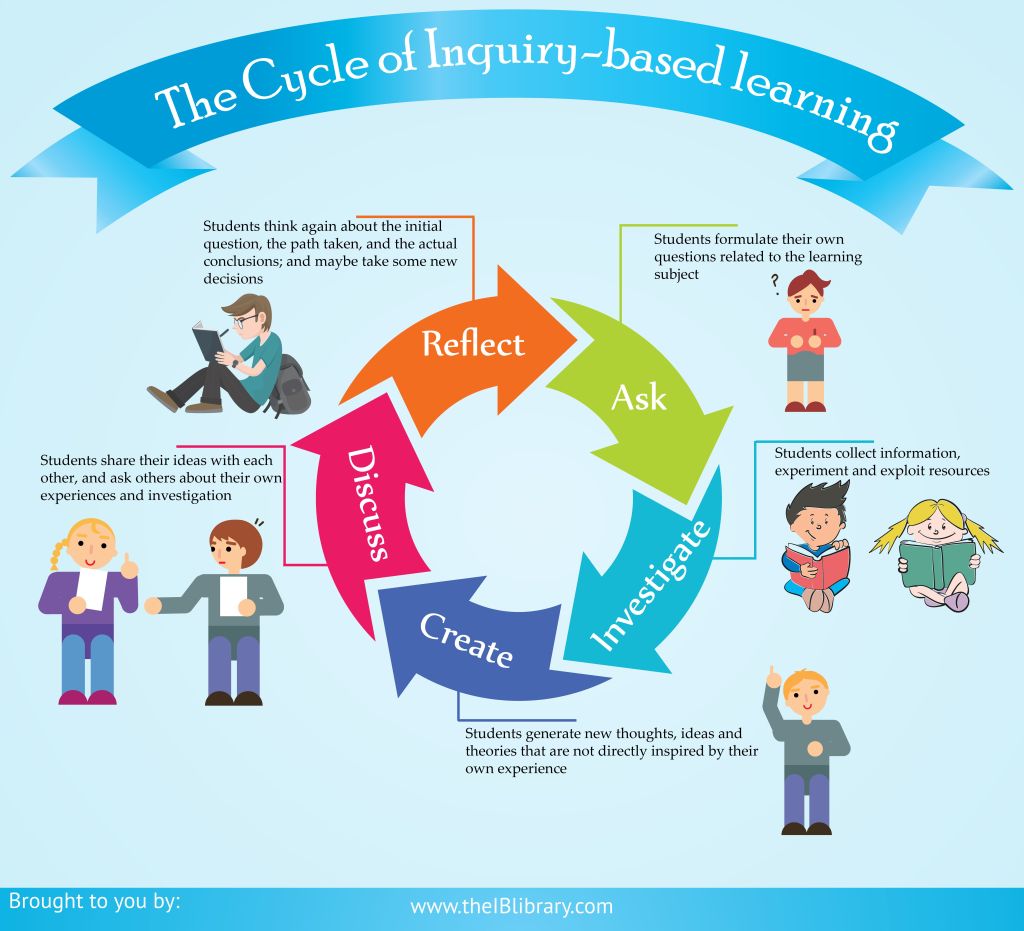
Inquiry-based learning promotes student curiosity and engagement by encouraging them to ask questions, investigate topics of interest, and seek answers through research and experimentation. This approach fosters critical thinking skills as students learn how to gather information from multiple sources, analyze data, draw conclusions, and present their findings.
Authentic assessments assess student understanding in ways that mirror real-world tasks or challenges. Instead of relying solely on tests or quizzes, teachers can evaluate student learning through presentations, portfolios of work samples, exhibitions or performances.
Student-led projects empower students to take ownership of their learning by allowing them to choose topics they are passionate about and giving them the autonomy to design their projects. This approach promotes self-direction skills while fostering creativity as students explore their interests in depth.
Community partnerships provide opportunities for students to collaborate with organizations or individuals outside the school setting. By working on projects that have an impact beyond the classroom walls – such as community service initiatives or environmental sustainability efforts -students develop empathy and civic responsibility while applying their knowledge in authentic contexts.
Technology integration supports project-based learning by providing tools for research gathering information synthesizing knowledge presenting work communicating collaborating with others etc
Environmental sustainability projects allow students to explore issues related to climate change conservation renewable energy waste management etc
Social justice activism enables students use project-based learning as a means to address social inequalities raise awareness engage in advocacy activities promote positive change within society
Entrepreneurship education empowers young people with business-related skills such as idea generation, market research, financial literacy, and project management. Students can develop their own business ideas and create business plans.
Arts integration in projects encourages students to explore connections between different art forms and other subject areas. For example, they can create multimedia presentations or performances that combine music, dance, visual arts with science or history concepts.
Global collaboration projects enable students to work with peers from different countries or cultures on shared projects. Through virtual communication tools, students can exchange ideas share resources collaborate on creative solutions for global problems.
Project management skills development involves teaching students how to set goals plan organize resources manage time collaborate communicate reflect evaluate etc
Outdoor experiential learning projects take advantage of the natural environment as a context for hands-on learning where students engage in activities like field trips camping hiking gardening etc
STEM-focused projects integrate science technology engineering math concepts into real-world problem-solving experiences
Service-learning initiatives combine community service with academic instruction by engaging students in meaningful volunteer work while connecting it to curriculum objectives.
Cross-curricular project ideas encourage interdisciplinary approaches where multiple subject areas are integrated into a single project allowing for deeper understanding of connections across disciplines
Project-based learning for special needs/gifted students tailors PBL experiences to meet the unique needs of these student populations by offering differentiated supports accommodations challenges etc
Culturally responsive project ideas acknowledge value celebrate diversity cultural heritage promote inclusivity equity within PBL experiences
Project-based learning in early childhood education engages young learners through hands-on activities play exploration inquiry fostering curiosity creativity independence teamwork critical thinking skills etc
Project-based learning in high school prepares learners for college career readiness through complex challenging authentic tasks that build knowledge skills competencies required beyond K-12 education
Project-based learning in homeschooling provides opportunities for personalized self-directed education where parents facilitate guide support children’s interests passions curiosities through diverse rich PBL experiences
PBL for career readiness vocational training equips learners with practical skills relevant job market demands such as problem-solving communication collaboration critical thinking adaptability etc
Project-based learning for social-emotional development integrates SEL competencies like self-awareness self-management social awareness relationship skills responsible decision-making into PBL experiences promoting holistic growth of learners
Projects that promote critical thinking and problem-solving skills engage students in deep analytical thinking as they tackle complex open-ended problems evaluate different perspectives generate creative solutions make informed decisions through research evidence-based reasoning
 Alternative Amie
Leave a comment