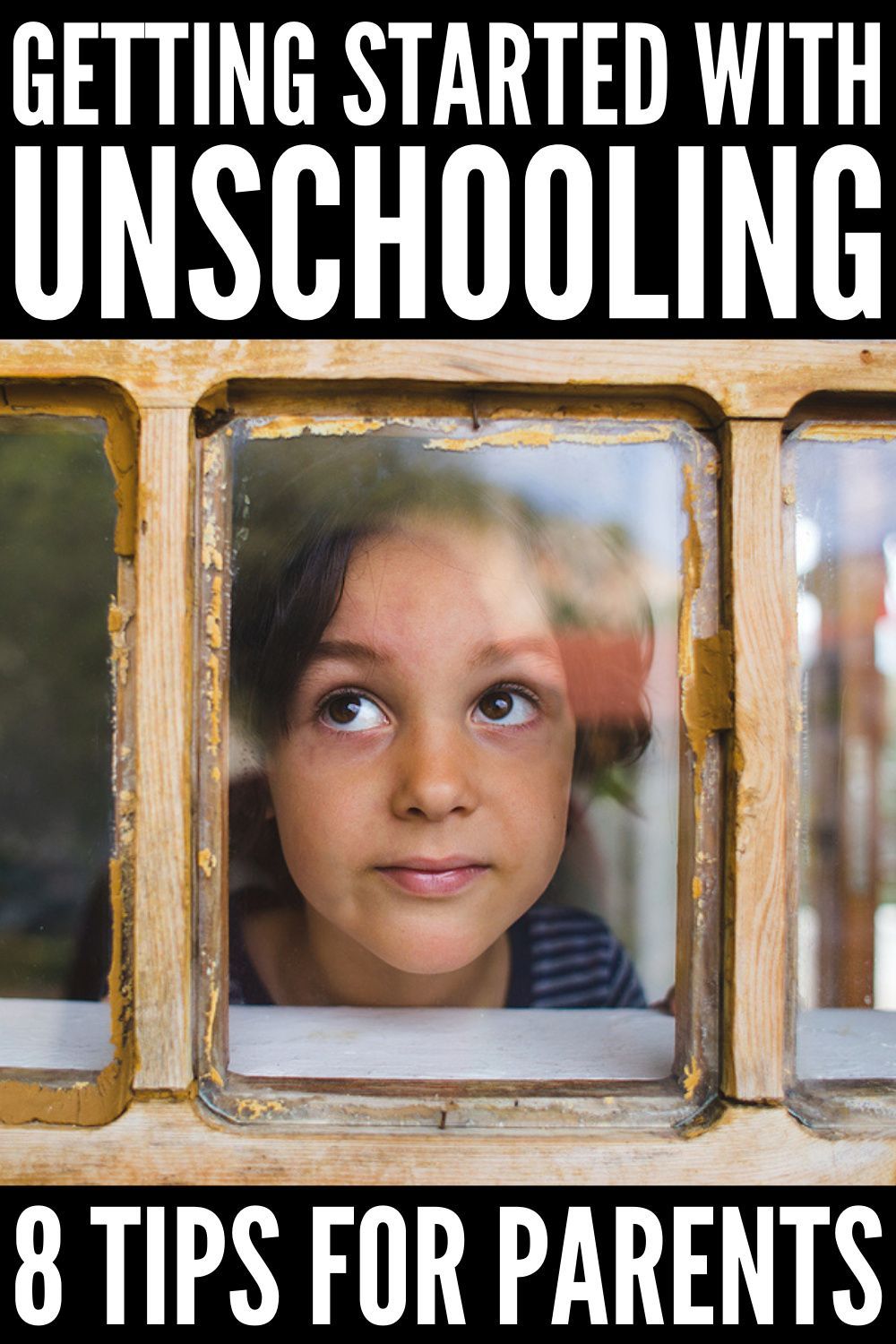
Unschooling, also known as natural learning or child-led education, is an alternative approach to traditional schooling. Unlike conventional educational methods that follow a structured curriculum and standardized testing, unschooling emphasizes the learner’s autonomy and interests. This article explores the benefits of unschooling, highlighting how this approach nurtures creativity, fosters self-motivation, promotes critical thinking skills, encourages lifelong learning, and prepares students for real-world challenges.
One of the key advantages of unschooling is its ability to foster creativity. By allowing children to pursue their passions and explore topics they are genuinely interested in, unschooling creates a fertile ground for creative thinking. Without the constraints imposed by predetermined curricula or rigid schedules, learners have the freedom to delve deep into subjects that ignite their imagination. This process often leads to innovative problem-solving abilities and unique perspectives.
Furthermore, unschooling promotes self-motivation among learners. When individuals are driven by their own desires rather than external pressures or rewards systems, they develop a sense of intrinsic motivation. Unschoolers are encouraged to set goals based on personal interests and take responsibility for their own learning journey. As a result, they become independent thinkers who actively seek out knowledge and experiences that align with their passions.
Critical thinking skills are also honed through unschooling. Traditional schooling often focuses on memorization and regurgitation of facts without encouraging deeper analysis or questioning assumptions. In contrast, an unschooled child has the opportunity to explore various sources of information independently while critically evaluating them for credibility and relevance. They learn how to think critically about complex issues from multiple perspectives—a skill essential for success in today’s rapidly changing world.
Another benefit of unschooling is its emphasis on lifelong learning rather than simply preparing students for exams or grades. Unschooled individuals understand that education extends beyond formal institutions and continues throughout life; it becomes a continuous pursuit fueled by curiosity rather than obligation. By fostering a love for learning, unschooling equips students with the mindset and skills necessary to adapt to new challenges and embrace growth opportunities throughout their lives.
Unschoolers are also well-prepared for real-world challenges. Traditional schooling often prioritizes conformity and compliance, focusing on preparing students for standardized tests rather than real-life scenarios. In contrast, unschooled children have the freedom to explore practical life skills, such as budgeting, cooking, problem-solving, entrepreneurship, and interpersonal communication. These hands-on experiences allow them to develop strong decision-making abilities and adaptability in various situations.
In addition to these benefits, unschooling promotes holistic development by nurturing emotional intelligence and social skills. Unschoolers spend ample time with people of different ages in diverse settings. They engage in community activities, join interest-based groups or classes outside traditional school environments and participate in real-world projects. This exposure fosters empathy, effective communication, collaboration skills while promoting respect for others’ perspectives.
It is important to note that unschooling does not mean a complete absence of structure or guidance; it simply allows learners more control over their education journey. Parents or guardians play an active role as facilitators by providing resources, mentorship when needed and creating an environment conducive to learning.
Critics argue that unschooled children may lack certain foundational knowledge or struggle with academic discipline without formal instruction. However, advocates highlight that many successful individuals who were unschooled have gone on to pursue higher education or excel in their chosen fields due to their self-directed learning approach.
In conclusion, unschooling offers numerous benefits compared to traditional schooling methods. By nurturing creativity, fostering self-motivation and critical thinking skills while encouraging lifelong learning and preparing students for real-world challenges—unschooling provides a unique educational experience tailored specifically to the learner’s interests and needs. It empowers individuals to become lifelong learners who actively shape their own future based on passion-driven pursuits.
 Alternative Amie
Leave a comment