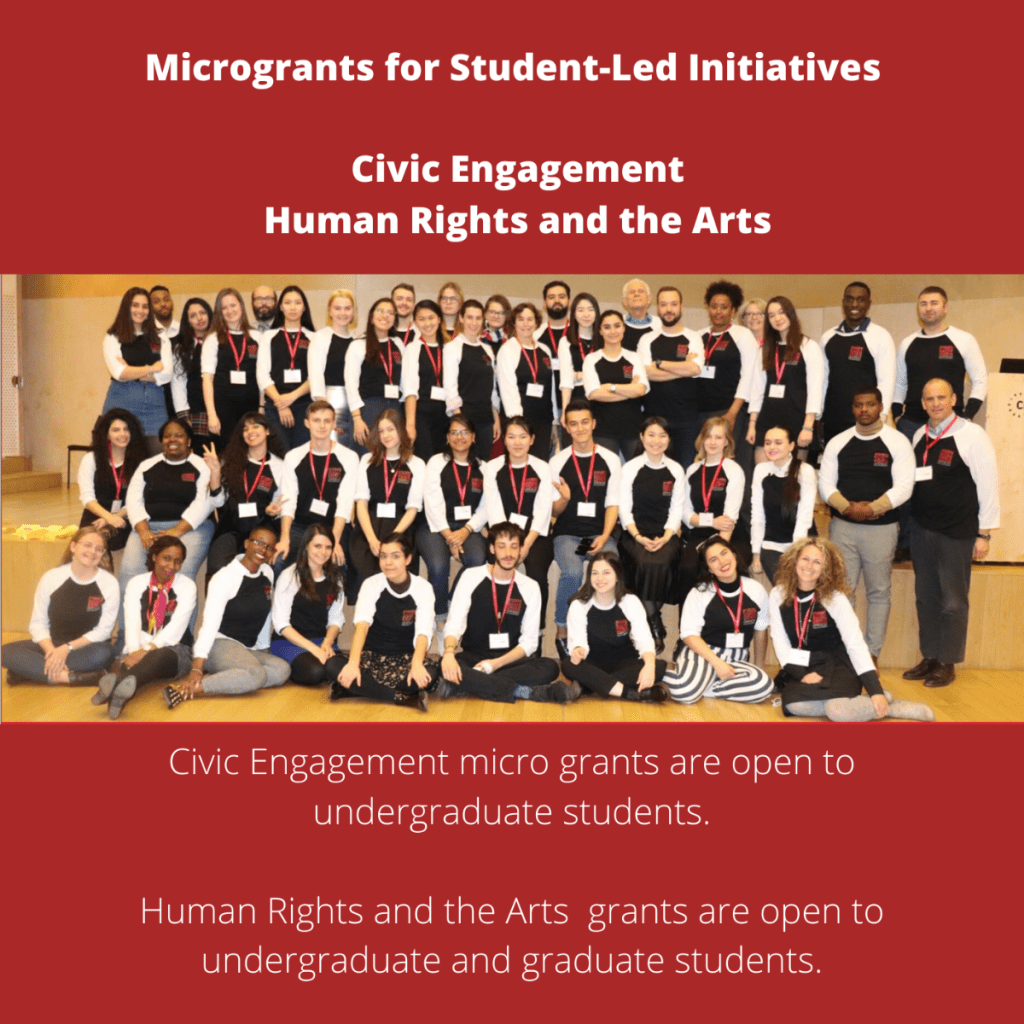
In today’s rapidly changing world, students are not just passive recipients of education; they are active participants in shaping their own learning experiences. Student-led initiatives have emerged as a powerful tool to foster creativity, independence, and a sense of responsibility among young learners. These initiatives empower students to take charge of their education, explore their passions, and make positive changes within their communities.
One such initiative is the creation of student-run clubs and organizations. Gone are the days when extracurricular activities were limited to sports teams or traditional academic groups. Nowadays, students are forming clubs centered around diverse interests like coding, robotics, photography, debate, social justice advocacy, environmental sustainability—the possibilities are endless!
These student-led clubs provide an avenue for like-minded individuals to come together and pursue shared interests outside the confines of the regular curriculum. They enable students to delve deeper into subjects they find intriguing and offer opportunities for hands-on learning experiences that complement classroom instruction.
Take for example “The Green Team” at Lincoln High School—a group dedicated to promoting sustainable practices both within the school community and beyond. Students in this club organize recycling drives, host guest speakers on environmental issues, participate in local clean-up campaigns—all with the aim of raising awareness about the importance of protecting our planet.
Student-led clubs not only enhance academic learning but also foster important life skills such as leadership, teamwork, communication, and organization. Students involved in these initiatives learn how to manage budgets by organizing fundraisers or seeking sponsorships from local businesses. They develop negotiation skills when collaborating with school administrators or community members for resources or support.
Furthermore, student-led initiatives often extend beyond campus boundaries through partnerships with other schools or collaborations with community organizations. For instance,”Youth Empowerment for Change” (YEC), spearheaded by high school students across multiple districts in collaboration with local nonprofits aims at addressing social inequalities prevalent in their communities.
Through YEC-sponsored events like workshops on diversity and inclusion, fundraisers for underprivileged students, and awareness campaigns against racial discrimination, participating students actively engage in making a positive impact on society. These initiatives not only cultivate empathy and social consciousness but also empower young individuals to become agents of change.
Another powerful student-led initiative gaining momentum is the creation of student-run businesses or enterprises. With guidance from teachers or mentors, these ventures allow students to apply their knowledge and skills in real-world scenarios while fostering entrepreneurship.
One exceptional example is “The Young Entrepreneurs Club” at Jefferson High School. The club members identify market gaps or untapped opportunities within their community and develop innovative business ideas to address them. From designing custom-made t-shirts to creating unique handmade crafts, these young entrepreneurs learn about product development, marketing strategies, financial management—all essential skills for future success.
By running their own businesses, students gain firsthand experience in problem-solving, decision-making, customer service—skills that cannot be taught solely through textbooks. They learn about the challenges of managing finances like budgeting expenses and tracking profits. Most importantly, they develop resilience through facing setbacks or failures along the way—an invaluable life lesson.
Student-led initiatives can also extend beyond extracurricular clubs or entrepreneurial endeavors; some take shape as grassroots movements advocating for educational reforms within their schools or districts. Students have successfully organized protests against outdated policies regarding dress codes, standardized testing practices, gender-neutral restrooms—the list goes on.
These movements demonstrate how young individuals are not afraid to voice their opinions and fight for what they believe is right. By engaging with administrators or school boards directly through discussions or presentations backed by research and evidence-based arguments—students showcase their ability to critically analyze problems and propose meaningful solutions.
A notable example is “Project RISE” initiated by high school students who recognized the need for mental health support within their school community. Through surveys and interviews conducted among peers and faculty members alike—they gathered data highlighting concerns related to stress levels, anxiety, and lack of resources.
Armed with this information, the students organized assemblies and workshops on mental health awareness, invited guest speakers from local counseling centers to share coping strategies—and ultimately advocated for the inclusion of mental health education in the school curriculum. Their initiative not only raised awareness but also led to tangible changes within their educational institution.
In conclusion, student-led initiatives are transforming education by empowering young learners to take ownership of their learning journey. These initiatives foster creativity, independence, and critical thinking skills while providing opportunities for personal growth and community engagement. Whether through clubs and organizations, entrepreneurial ventures or grassroots movements—students are making a positive impact on their own lives and society as a whole. As educators and parents, it is our responsibility to encourage and support these endeavors that nurture the leaders of tomorrow.
 Alternative Amie
Leave a comment