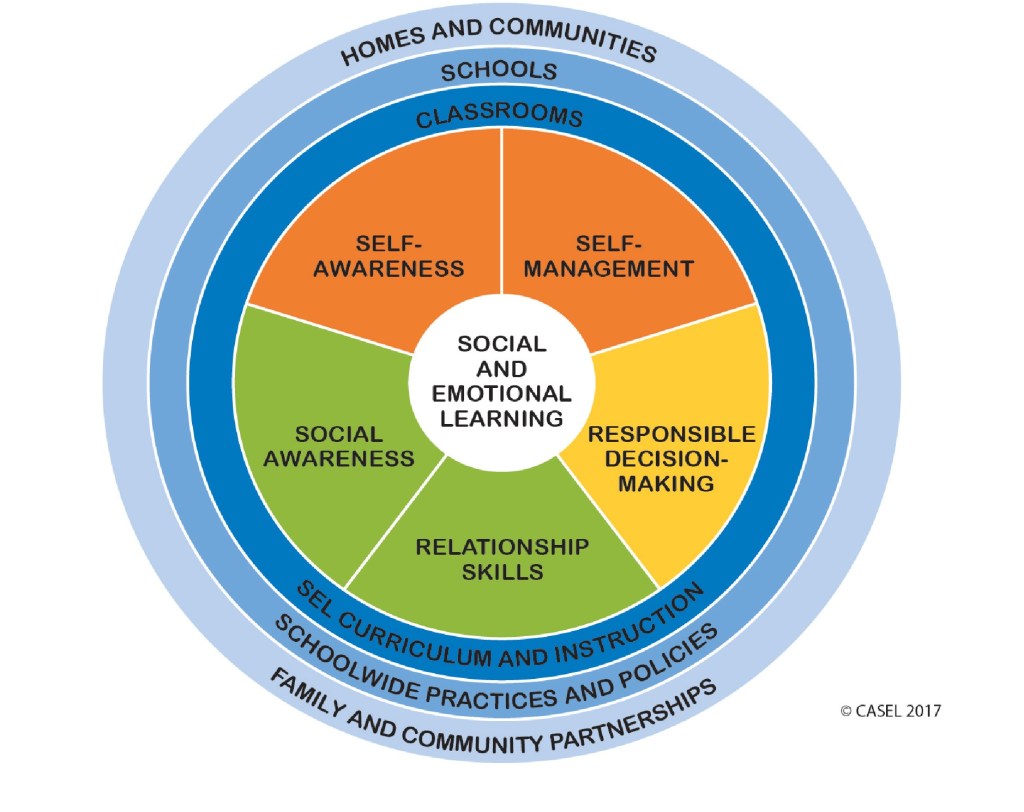
In today’s fast-paced and ever-changing world, education is not just about academic achievement. It’s also about helping students develop the skills they need to navigate their emotions, build healthy relationships, and make responsible decisions. This is where social-emotional learning (SEL) comes in.
Social-emotional learning is an educational approach that focuses on developing students’ social and emotional competencies. It aims to equip them with a set of skills that will enable them to understand and manage their emotions effectively, show empathy towards others, establish positive relationships, make responsible decisions, and handle challenging situations with confidence.
Research has shown that SEL can have a significant impact on students’ overall well-being and success in school. According to the Collaborative for Academic, Social, and Emotional Learning (CASEL), schools that implement SEL programs report improved student behavior, reduced emotional distress among students, increased academic performance, higher graduation rates, and decreased rates of substance abuse.
One key aspect of SEL is self-awareness. This involves helping students recognize their own emotions and understand how these emotions influence their thoughts and behaviors. By developing self-awareness skills through activities such as journaling or mindfulness exercises, students become better equipped to regulate their emotions effectively.
Another important component of SEL is social awareness. This refers to understanding other people’s perspectives and empathizing with their feelings. By fostering social awareness through activities like role-playing or community service projects, students learn how to appreciate diversity, resolve conflicts peacefully, and develop positive relationships with others.
Furthermore, responsible decision-making plays a crucial role in SEL. Students need guidance in making ethical choices that consider both short-term consequences and long-term goals. Through discussions about moral dilemmas or collaborative problem-solving tasks within the classroom setting or extracurricular activities like student government or clubs – young learners gain valuable experience in weighing different options before making informed decisions.
Building healthy relationships is another vital aspect of SEL. Schools can create environments where students feel safe, respected, and supported by promoting positive communication, conflict resolution skills, and teamwork. By emphasizing cooperation rather than competition and encouraging inclusive behaviors, schools can foster a sense of belonging among students.
Educators play a key role in implementing SEL programs effectively. They should receive professional development opportunities to enhance their own social-emotional competencies and be equipped with strategies to support their students’ SEL growth. Teachers can incorporate SEL into daily classroom activities by modeling positive behavior, providing opportunities for collaboration and reflection, and offering guidance on emotional regulation.
Parents also have an essential role to play in supporting their children’s social-emotional development. By creating a nurturing home environment that encourages open communication, empathy, and problem-solving skills – parents can help reinforce the lessons learned at school.
It’s worth noting that SEL is not meant to replace traditional academic instruction; instead, it complements it. When students’ social-emotional needs are met, they are more likely to be engaged in the learning process and perform better academically.
In conclusion, social-emotional learning is an integral part of education that equips students with essential life skills beyond academics. It empowers them to navigate emotions effectively, develop healthy relationships with others, make responsible decisions based on empathy and ethical considerations while preparing them for success both inside and outside the classroom. With its proven benefits on student well-being and academic performance, implementing SEL programs should be a priority for all educational institutions aiming to provide holistic education for their learners.
 Alternative Amie
Leave a comment