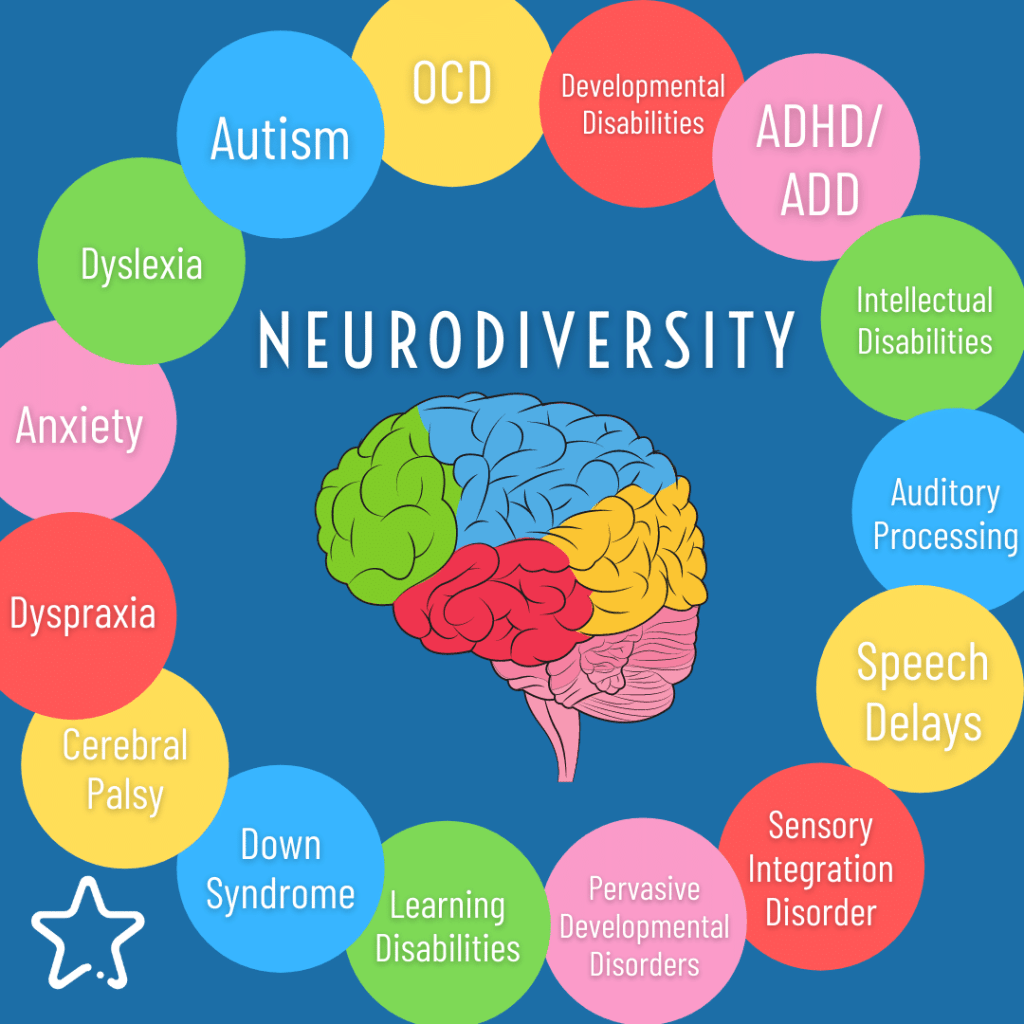
As we reflect on the evolution of education in recent years, one significant shift that deserves attention is the increased focus on neurodiversity and mental health support in schools. This progressive approach has been instrumental in creating inclusive learning environments where all students can thrive.
Neurodiversity encompasses a range of neurological differences, including conditions such as autism, ADHD (Attention-Deficit/Hyperactivity Disorder), dyslexia, and more. In the past, these differences were often misunderstood or overlooked in traditional educational settings. However, with growing awareness and understanding, schools have begun to embrace neurodiversity as a valuable aspect of human variation.
One essential aspect of supporting neurodiverse students is recognizing their individual needs and providing appropriate accommodations. Gone are the days when all students were expected to learn through identical methods and at the same pace. Today’s educators understand that each student possesses unique strengths and challenges that require tailored approaches to learning.
In this regard, alternative schooling models have emerged as pioneers by prioritizing personalized learning experiences for neurodiverse students. These models emphasize flexibility and adaptability to cater to different learning styles while fostering an inclusive community where everyone feels valued.
One notable example is project-based learning (PBL), which encourages hands-on exploration and collaboration rather than relying solely on lectures or textbooks. PBL allows neurodiverse students to showcase their talents by engaging them in projects aligned with their interests while simultaneously developing essential skills across various subject areas. By focusing on practical application rather than rote memorization, PBL fosters creativity, critical thinking, problem-solving abilities—all crucial skills for success both inside and outside the classroom.
Another effective method gaining traction is Universal Design for Learning (UDL), which aims to create accessible curricula that accommodate diverse learners’ needs from inception rather than retrofitting existing materials later on. UDL incorporates multiple means of representation (presenting information in various formats), action and expression (providing options for students to demonstrate their understanding), and engagement (offering choices that motivate and sustain student interest). By incorporating multiple modalities, UDL ensures that neurodiverse students can access information in a way that suits their individual strengths.
Beyond academic accommodations, it is equally vital to address the mental health needs of neurodiverse students. According to the Centers for Disease Control and Prevention (CDC), about one in six children aged 2-8 years has a diagnosed mental, behavioral, or developmental disorder. These conditions can significantly impact a child’s ability to learn effectively if not properly supported.
To foster positive mental health outcomes, schools have started implementing comprehensive social-emotional learning (SEL) programs. SEL equips students with skills to manage emotions, develop healthy relationships, set goals, make responsible decisions, and navigate various challenges they may encounter. By providing these tools early on, educators empower neurodiverse students with the necessary skills to cope with stressors effectively while fostering resilience.
Moreover, school counselors play an instrumental role in supporting the mental well-being of all students—not just those who are neurodiverse. They provide a safe space for individuals to express themselves openly and confidentially while offering guidance on emotional regulation strategies or referring them to specialized services when necessary. Collaborating with families and external professionals further enhances support networks available within schools.
Inclusive extracurricular activities also contribute significantly to fostering acceptance and understanding among all students. Clubs dedicated to raising awareness about different neurological conditions help reduce stigma while creating opportunities for peer interaction and support outside the classroom setting. Similarly, initiatives like buddy systems or mentoring programs pair neurotypical students with their neurodiverse counterparts—encouraging friendship-building based on empathy rather than differences.
While great strides have been made in promoting neurodiversity and mental health support within schools over recent years, it is crucial not to become complacent but instead continue striving for improvement. Education systems must remain committed to ongoing professional development opportunities for educators, providing them with the necessary tools and knowledge to support neurodiverse students effectively.
Additionally, policymakers should prioritize allocating sufficient resources to schools to ensure they can meet the diverse needs of their student populations adequately. Proper funding enables hiring specialized staff, investing in assistive technologies, and creating supportive environments that foster optimal learning experiences for all students.
In conclusion, the growing focus on neurodiversity and mental health support in schools marks a significant shift towards inclusive education models. By recognizing and valuing neurological differences while providing appropriate accommodations, alternative schooling approaches have paved the way for personalized learning experiences that benefit all students. Through comprehensive social-emotional learning programs, access to qualified counselors, inclusive extracurricular activities, and continued professional development opportunities for educators, we can strive towards creating truly inclusive educational environments where every student feels supported and empowered to reach their full potential.
 Alternative Amie
Leave a comment