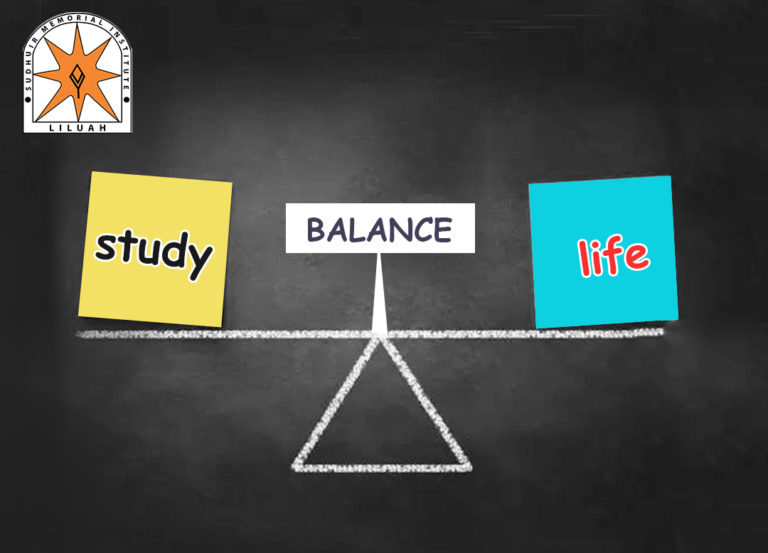
As a student, finding the right balance between academics and extracurricular activities can be quite challenging. On one hand, there’s the pressure to excel academically and maintain good grades. On the other hand, participating in extracurricular activities is crucial for personal growth and development. Striking a balance between these two aspects of student life is essential to ensure overall well-being and success.
Firstly, it’s important to acknowledge the benefits of both academics and extracurricular activities. Academics provide students with foundational knowledge, critical thinking skills, and an understanding of various subjects. It forms the core of education and equips students with necessary skills for future endeavors.
Extracurricular activities, on the other hand, offer opportunities for holistic development beyond textbooks. They allow students to explore their interests, develop new skills, enhance creativity and leadership abilities while fostering teamwork and camaraderie among peers. Extracurriculars also provide an avenue for stress relief from academic pressures as they often involve hobbies such as sports or arts.
The key lies in striking a healthy balance between these two domains without sacrificing one over the other. Here are some tips to help achieve this equilibrium:
1) Prioritize Time Management: Effective time management is crucial when juggling academics and extracurricular activities. Maintain a planner or use digital tools to schedule your day efficiently. Allocate specific time slots for studying different subjects along with time dedicated solely to extracurricular pursuits.
2) Set Realistic Goals: Establish realistic goals that align with both your academic aspirations and extracurricular interests. This will help you stay motivated while ensuring you’re not overwhelmed by either aspect of your life.
3) Know Your Limits: Understand your limitations both academically and physically/emotionally so that you don’t take on too much at once or spread yourself too thin across multiple commitments.
4) Communicate With Teachers/Coaches: Establish open lines of communication with your teachers and coaches. Let them know about your extracurricular involvement and discuss strategies to manage workload effectively. They can provide guidance, support, and possibly adjust deadlines or schedules when necessary.
5) Develop Effective Study Habits: To succeed academically while participating in extracurricular activities, it’s essential to develop effective study habits. Find a quiet place to study, eliminate distractions, break down tasks into manageable chunks, and practice active learning techniques.
6) Learn to Prioritize: It’s crucial to prioritize tasks based on urgency and importance. Understand which academic assignments require immediate attention and which extracurricular activities are time-sensitive. This will help you channel your efforts accordingly.
7) Maintain a Support System: Surround yourself with a supportive network consisting of friends, family members, mentors or advisors who understand the demands of balancing academics and extracurriculars. Seek their guidance whenever needed.
8) Take Care of Your Health: With a packed schedule, it becomes easy to neglect self-care. However, maintaining good physical and mental health is vital for overall well-being. Make sure to get enough sleep, eat nutritious meals, exercise regularly and engage in stress-relieving activities like meditation or hobbies outside of school commitments.
9) Be Flexible: Recognize that there may be times when adjustments need to be made due to unforeseen circumstances such as exams or competitions clashing with each other. Be prepared to adapt your schedule accordingly while finding alternatives if necessary.
10) Reflect Regularly: Periodically reflect on how well you’re managing the balance between academics and extracurricular activities. Assess whether adjustments need to be made in terms of time allocation or commitments taken up.
Remember that finding the right balance is an ongoing process that requires constant evaluation and adjustment based on individual circumstances. What works for one person may not work for another; hence it’s important not to compare yourself to others. Each student has their own unique strengths, interests, and goals.
Balancing academics and extracurricular activities is not an easy feat, but with proper planning, organization, and self-discipline, it is achievable. It’s about making conscious choices and prioritizing what truly matters to you. By striking this balance effectively, students can reap the benefits of both worlds while maximizing their personal growth and success in all aspects of life.
 Alternative Amie
Leave a comment