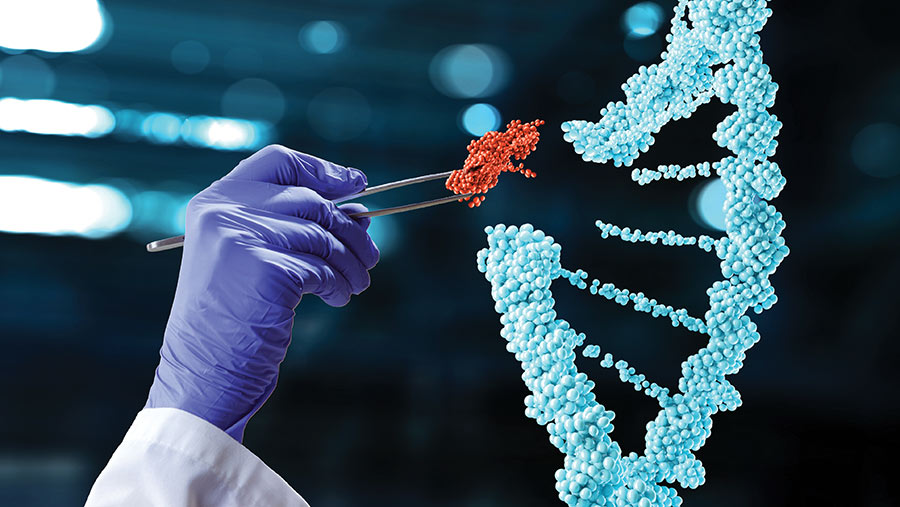
Genetics and DNA Technology: Unlocking the Secrets of Life
In the vast field of science, genetics and DNA technology have emerged as powerful tools that have revolutionized our understanding of life. These fields delve into the intricacies of genes, heredity, and the manipulation of genetic material to unlock valuable insights into various biological processes. By harnessing these technologies, scientists are making groundbreaking discoveries that have profound implications for medicine, agriculture, and even criminal justice.
At its core, genetics is the study of genes – the units of heredity that determine an organism’s traits. These tiny segments of DNA carry instructions for building proteins that play crucial roles in every aspect of life. DNA technology encompasses a range of techniques used to analyze and manipulate genetic material with remarkable precision.
One significant application is in medical research and healthcare. Genetic testing allows us to identify individuals’ risk factors for certain diseases or conditions by analyzing their DNA sequences. This information can help doctors diagnose diseases earlier or tailor treatments specifically suited to patients’ genetic makeups. Additionally, gene therapy holds promise in treating inherited disorders by replacing faulty genes with healthy ones.
In agriculture, genetics plays a pivotal role in crop improvement and animal breeding programs. Through selective breeding methods guided by knowledge gained from studying genes, scientists can develop crops that resist pests or thrive in challenging environments while maintaining high yields. Similarly, animal breeders can utilize genetic information to select animals with desired traits such as increased milk production or disease resistance.
DNA technology has also revolutionized forensic science by enabling precise identification through DNA profiling techniques like polymerase chain reaction (PCR) analysis and short tandem repeat (STR) analysis. Such methods allow investigators to match crime scene evidence with potential suspects more accurately than ever before.
The study of genetics has evolved exponentially since Gregor Mendel laid its foundation through his experiments on pea plants centuries ago. Today’s researchers employ advanced tools like gene sequencing machines capable of decoding entire genomes rapidly. This has led to significant breakthroughs, such as the Human Genome Project, which mapped out the entire human genetic blueprint.
Furthermore, advancements in CRISPR-Cas9 technology have provided scientists with a powerful gene-editing tool. This revolutionary technique allows for precise modifications of specific genes, opening up possibilities for treating genetic disorders and potentially eliminating inherited diseases altogether.
However, genetics and DNA technology also raise ethical concerns that need careful consideration. The ability to manipulate genes raises questions about the boundaries of what is morally acceptable or safe. Additionally, issues related to privacy and data protection emerge as genetic information becomes more accessible through widespread testing.
In conclusion, genetics and DNA technology have transformed our understanding of life’s fundamental building blocks – genes – enabling us to unravel mysteries and discover new possibilities in various fields. From medical advancements to agricultural improvements and forensic investigations, these sciences offer immense potential for shaping our future. As we continue exploring these frontiers, it is crucial that we navigate the ethical challenges responsibly to ensure that these technologies are used for the greater good of humanity.
 Alternative Amie
Leave a comment