History Lessons: Exploring the Past through Alternative Education
Introduction:
👉 Check it out: Shop Organic Skincare on Amazon
In traditional education, history lessons often involve memorizing dates, names, and events from textbooks. However, alternative schooling and education approaches aim to make learning history more engaging and immersive. By incorporating hands-on activities, interactive discussions, and real-world connections, students can develop a deeper understanding of the past. In this article, we will explore some DIY-style history lessons that can be implemented in alternative educational settings.
👉 Check it out: Shop Facial Roller on Amazon
1. Historical Field Trips:
One of the best ways to bring history alive for students is by taking them on field trips to historical sites or museums. These visits provide an opportunity for learners to experience tangible artifacts and immerse themselves in the stories of the past.
To enhance their experience further, encourage students to research and present on specific aspects related to the site they are visiting. This not only fosters independent learning but also encourages critical thinking skills as they analyze different perspectives surrounding historical events.
2. Interactive History Projects:
Engaging students in hands-on projects can make history come alive while promoting creativity and collaboration. Here are a few project ideas that can be incorporated into alternative education settings:
a) Living History Museum: Organize a class activity where each student portrays a historical figure of their choice through costume and props. They can create informative displays with posters or multimedia presentations showcasing important facts about their chosen character’s life and contributions.
b) Time Capsule: Guide your students in creating time capsules that encapsulate various periods throughout history. Encourage them to include significant artifacts representative of each era along with letters explaining why they chose those items.
c) Historical Reenactments: Divide your class into groups representing different historical events or eras. Students should research their assigned topics thoroughly before staging reenactments for their peers or even parents/guardians during open-house events.
These creative projects foster critical thinking skills as well as empathy towards individuals who lived in different times.
3. Oral Histories and Interviews:
Oral histories provide a unique perspective on historical events by allowing students to learn directly from those who experienced them. Encourage students to interview older family members, friends, or community members about their memories of significant historical periods or events they lived through.
To prepare for these interviews, students should research the relevant time period and develop a list of thoughtful questions. This activity not only helps preserve personal stories but also deepens students’ understanding of history beyond what is found in textbooks.
4. Historical Fiction Book Clubs:
Introduce your students to historical fiction novels that bring the past alive through captivating narratives. Organize book clubs where students can discuss their chosen books, analyze characters’ motivations, and explore how historical context shapes the storylines.
Encourage critical thinking by asking open-ended questions like: “How does this fictional story connect with real historical events?” or “What do you think life was like during this time period based on what you read?”
5. Virtual Reality (VR) History Experiences:
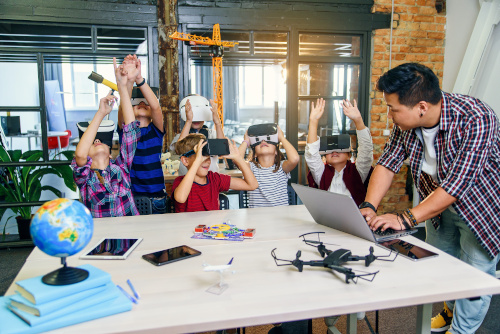
Incorporating technology into alternative education can enhance engagement and immerse learners in realistic experiences even when visiting actual sites may not be feasible. Virtual reality (VR) offers an opportunity to transport students back in time and walk alongside famous figures or witness important events firsthand.
Consider investing in VR headsets or working with local libraries that might have such resources available for use. Students can virtually visit ancient civilizations, iconic landmarks, or even wartime environments – all while actively engaging with history.
6. Community-Based Research Projects:
Connect your classroom with local organizations such as museums, archives, or historical societies that focus on preserving regional history. Collaborate on research projects where students investigate lesser-known aspects of their own community’s past.
These projects may include documenting oral histories from long-time residents, curating mini-exhibitions featuring artifacts donated by locals, or creating digital platforms showcasing hidden stories from the community’s history.
Conclusion:
History lessons can be transformed into exciting and immersive experiences through alternative educational approaches. By incorporating field trips, interactive projects, interviews, historical fiction book clubs, virtual reality experiences, and community-based research projects, students develop a deeper understanding of the past while honing critical thinking skills.
Remember that learning history should not be limited to memorizing facts from textbooks; it should involve actively engaging with the stories of those who lived before us. Through these DIY-style history lessons, educators can inspire a lifelong passion for understanding and appreciating our shared human journey through time.
🛒 Recommended Products
As an Amazon Associate, we earn from qualifying purchases.
Disclosure: This post contains Amazon affiliate links. As an Amazon Associate, we earn from qualifying purchases at no additional cost to you.
 Alternative Amie
Leave a comment