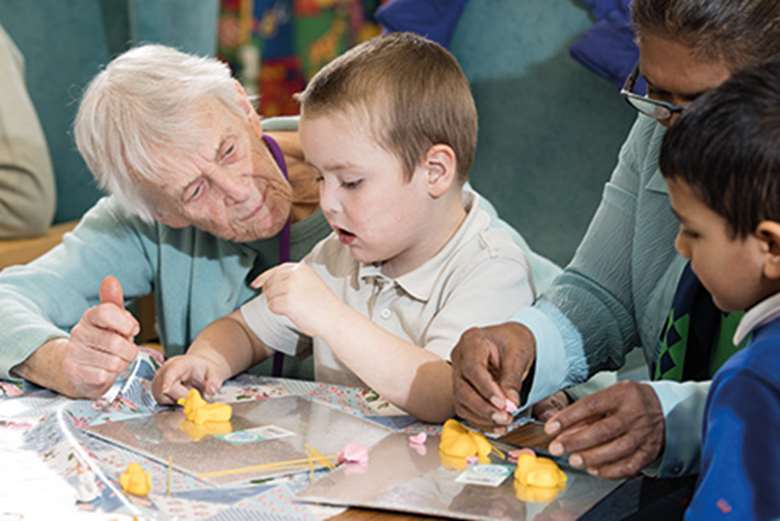
Intergenerational learning is a unique approach to education that brings together individuals from different age groups to learn from each other. It emphasizes the value of shared experiences, knowledge, and skills across generations. This alternative form of schooling has gained momentum in recent years as it fosters mutual understanding, empathy, and respect among participants.
One of the key benefits of intergenerational learning is its ability to break down age barriers and create a sense of community within diverse groups. By bringing together children, teenagers, adults, and seniors in a learning environment, this approach encourages participants to develop meaningful connections with people outside their immediate peer group. This interaction promotes social engagement and reduces feelings of isolation or loneliness for older adults while providing younger learners with valuable perspectives on life.
In an intergenerational learning setting, everyone involved has something to offer and gain. Younger students can benefit from the wisdom and life experiences shared by their older counterparts. They gain insights into different eras, cultures, traditions, and ways of thinking that are not typically found in traditional educational settings. On the other hand, seniors have an opportunity to stay mentally active by participating in discussions or teaching various subjects they excel at.
This type of reciprocal learning also enhances communication skills for all participants involved. Children may improve their listening skills while engaging with older adults who might share stories or impart knowledge through storytelling techniques passed down through generations. Adults can refine their patience when explaining concepts or ideas to young minds who have yet to fully grasp certain topics.
Furthermore, intergenerational learning helps combat ageism by challenging stereotypes associated with different age groups. Stereotypes such as “older adults are not capable learners” or “youngsters lack wisdom” are debunked when individuals actively engage with one another in a collaborative learning environment based on mutual respect.
Intergenerational programs come in various forms; they can be organized within schools or community centers where regular interactions between generations take place naturally. Alternatively, organizations or institutions can arrange structured programs that bring together different age groups for specific learning activities. These activities may include mentorship programs, cooperative projects, or even intergenerational classrooms where students of different ages learn side by side.
The benefits of intergenerational learning extend beyond academic growth and social connections. Research has shown that these experiences positively impact the mental health and well-being of all participants involved. Older adults who engage in intergenerational activities often report increased self-esteem, a sense of purpose, and improved cognitive functioning. For children and teenagers, such interactions can boost their empathy levels while reducing prejudice towards older adults.
Intergenerational learning also offers an opportunity to bridge the digital divide between generations. In today’s digital era, younger generations are naturally tech-savvy while older adults might struggle with technology adoption. By facilitating cross-generational collaborations, this form of education promotes digital literacy among seniors while allowing young learners to develop patience and support skills as they teach older individuals how to navigate the digital world.
While intergenerational learning is gaining recognition for its numerous advantages, it does come with some challenges. Creating meaningful connections across generations requires careful planning and coordination to ensure everyone feels comfortable participating. It is crucial to provide a safe space where each individual’s contribution is valued without judgment or bias based on age.
In conclusion, intergenerational learning provides a unique approach to education that fosters understanding and connection across various age groups. It breaks down stereotypes associated with different generations while promoting empathy and respect among participants. Through shared experiences and knowledge exchange, individuals from diverse backgrounds benefit academically as well as socially-emotionally from this alternative form of schooling. As we continue exploring innovative educational approaches, intergenerational learning holds great potential for creating inclusive communities where lifelong learning becomes a collaborative journey shared by people of all ages.
 Alternative Amie
Leave a comment