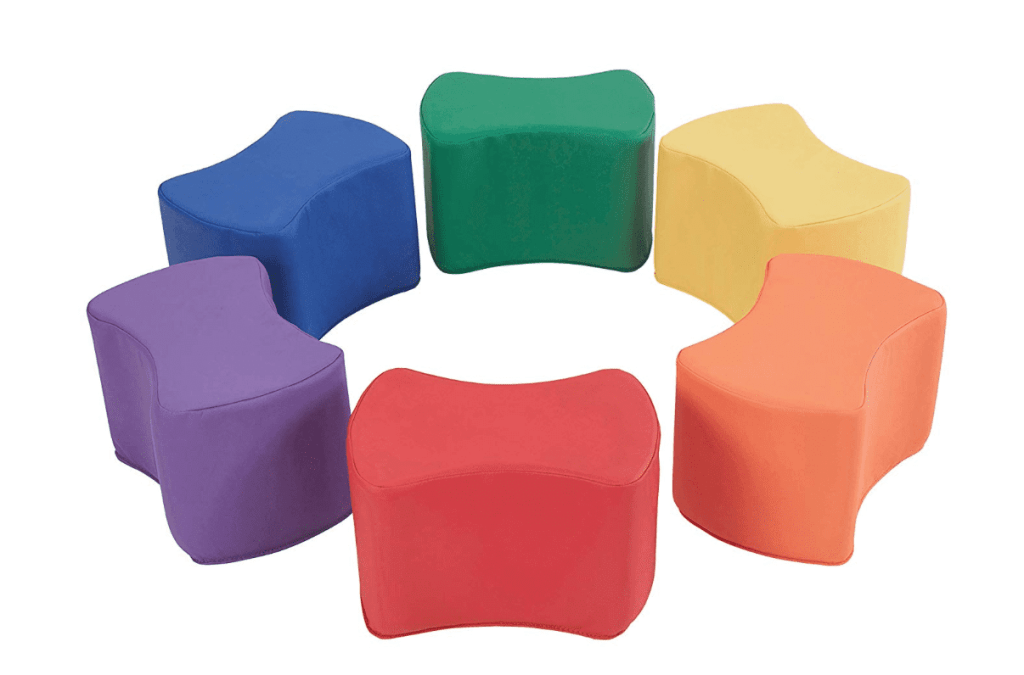
Supporting Different Learning Styles Through Various Types of Flexible Seating
In traditional classrooms, students are often confined to rigid desks and chairs that limit their movement and comfort. However, educational research has shown that incorporating flexible seating options can significantly enhance the learning experience for students with different learning styles. By providing a variety of seating choices, educators can create an inclusive environment that caters to the diverse needs of their students.
1. Bean Bag Chairs:
Bean bag chairs provide a relaxed and comfortable seating option for students who prefer a more informal setting. These soft and squishy chairs allow students to find their ideal position, whether it’s sitting or lying down. The flexibility offered by bean bag chairs promotes relaxation and helps some learners concentrate better on their tasks.
2. Floor Pillows:
Floor pillows offer an alternative option for those who prefer sitting closer to the ground or on the floor itself. Some students find this position beneficial as it allows them to have more body contact with the classroom environment while maintaining stability through support from floor cushions or pillows.
3. Standing Desks:
For active learners who struggle with staying seated for extended periods, standing desks are an excellent choice. These adjustable desks enable students to work in an upright position, promoting blood circulation and reducing restlessness. Standing desks also encourage movement as they allow learners to shift between standing and sitting positions throughout the day.
4. Wobble Stools:
Wobble stools are designed with rounded bottoms that allow slight movements in multiple directions while maintaining stability. This type of seating is perfect for kinesthetic learners who need constant physical engagement to focus on academic tasks effectively. The subtle movements facilitated by wobble stools help these learners channel excess energy without causing distractions for themselves or others.
5. Yoga Balls:
Yoga balls, also known as stability balls or exercise balls, provide dynamic seating options that engage core muscles while improving balance and posture during class time. Students who benefit from gentle bouncing or rocking motions find these chairs highly effective. The constant movement stimulates the brain and helps some learners concentrate better.
6. Cushioned Chairs or Stools:
Cushioned chairs or stools offer a comfortable and supportive seating option that is ideal for students who prefer a more traditional sitting experience but with added comfort. These chairs often have padded seats and backrests, providing a cozy environment for learners. The extra cushioning can help reduce discomfort during long periods of sitting.
7. Lap Desks:
For students who thrive in flexible learning environments outside of the traditional classroom setting, lap desks are an excellent choice. These portable desks allow learners to work comfortably in various positions such as sitting on the floor, lying down, or even outdoors. Lap desks provide versatility while maintaining stability and support for writing or using electronic devices.
8. Collaborative Tables:
Collaborative tables encourage teamwork and group discussions by providing a large surface area where multiple students can gather around comfortably. This type of seating arrangement fosters social interaction, communication skills, and collaboration among learners with different learning styles.
9. Adjustable Chairs:
Adjustable chairs are essential in accommodating students of varying heights and body types while ensuring ergonomic support during extended periods of seated work. Being able to adjust the height allows each student to find their optimal position for enhanced focus and comfort throughout the day.
10. Outdoor Seating Options:
Taking learning outside offers numerous benefits, including increased motivation, improved mood, and reduced stress levels among students. Providing outdoor seating options such as benches or picnic tables allows educators to create alternative learning spaces that cater to different sensory needs while incorporating nature into the educational experience.
It’s important to note that flexible seating should be implemented thoughtfully after considering individual student preferences and needs rather than adopting a one-size-fits-all approach across classrooms or grade levels.
Furthermore, it’s vital for educators to establish clear guidelines on how each type of seating should be used responsibly so that it does not become a source of distraction or misuse.
In conclusion, incorporating various types of flexible seating options in classrooms can significantly support different learning styles and enhance the overall educational experience. By offering choices such as bean bag chairs, floor pillows, standing desks, wobble stools, yoga balls, cushioned chairs or stools, lap desks, collaborative tables, adjustable chairs, and outdoor seating options – educators can create an inclusive environment that promotes engagement and maximizes student potential.

 Alternative Amie
Leave a comment