In the world of alternative schooling and education, one skill that often gets overlooked is teamwork. While traditional schools may prioritize individual achievement and competition, alternative learning environments understand the importance of collaboration and cooperation. Teamwork skills are not only crucial for success in the classroom but also essential for navigating through life beyond academia.
Firstly, let’s debunk the myth that teamwork is just about working together on group projects or assignments. Yes, those activities certainly provide opportunities to practice collaboration, but teamwork goes beyond completing a task as a group. It involves effective communication, active listening, compromise, empathy, and respect for diverse perspectives.
One key aspect of developing good teamwork skills is fostering a sense of community within the learning environment. Alternative schools often have smaller class sizes compared to traditional ones. This allows students to form close-knit communities where they can truly get to know each other on a deeper level. By creating such an atmosphere, students develop stronger relationships and learn how to work harmoniously with their peers.
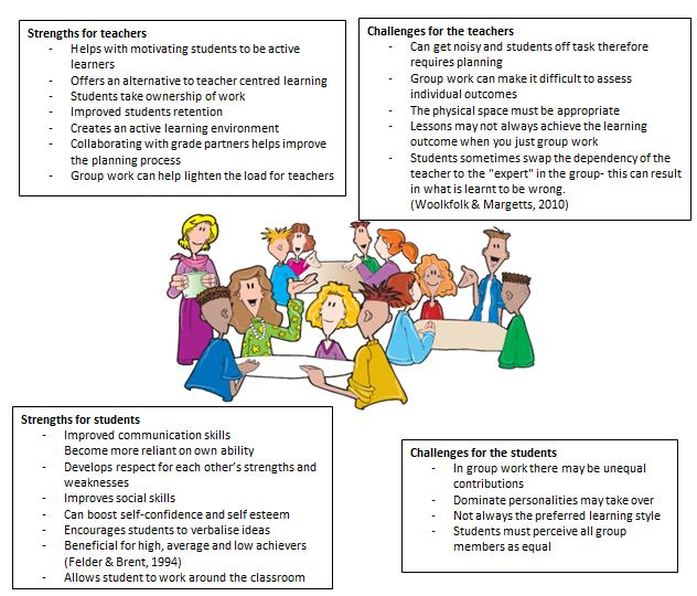
Furthermore, alternative education models frequently incorporate cooperative learning strategies into their curriculum. These strategies emphasize shared responsibility among team members while promoting individual growth simultaneously. For example, students might engage in problem-based learning activities where they work collaboratively to find solutions to real-world issues or challenges. Through these experiences, they not only improve their problem-solving abilities but also enhance their interpersonal skills by engaging in productive discussions and negotiations.
Another advantage of alternative schooling when it comes to building teamwork skills is its emphasis on project-based assessments rather than solely relying on exams or standardized tests. In project-based learning environments, students are encouraged to collaborate with their peers throughout the entire process – from ideation and planning all the way through execution and presentation phases. This approach fosters interdependence among team members as they learn how different roles contribute towards achieving a common goal.
Lastly—and perhaps most importantly—alternative education recognizes that teamwork goes hand-in-hand with empathy and social-emotional development. Students in these environments are encouraged to cultivate emotional intelligence, develop self-awareness, and practice active listening. Through various activities such as group discussions, role-playing exercises, and community service projects, students learn how to understand and appreciate different perspectives. This understanding lays the foundation for effective teamwork skills that can be applied not only within the classroom but also in their future careers and personal lives.
In conclusion, alternative schooling and education take teamwork skills seriously. By creating a sense of community, incorporating cooperative learning strategies, emphasizing project-based assessments, and promoting empathy development, alternative schools equip students with invaluable collaboration abilities that extend far beyond academic achievements. Teamwork is an essential skill for success in today’s interconnected world – one that cannot be overlooked or undervalued.
 Alternative Amie
Leave a comment