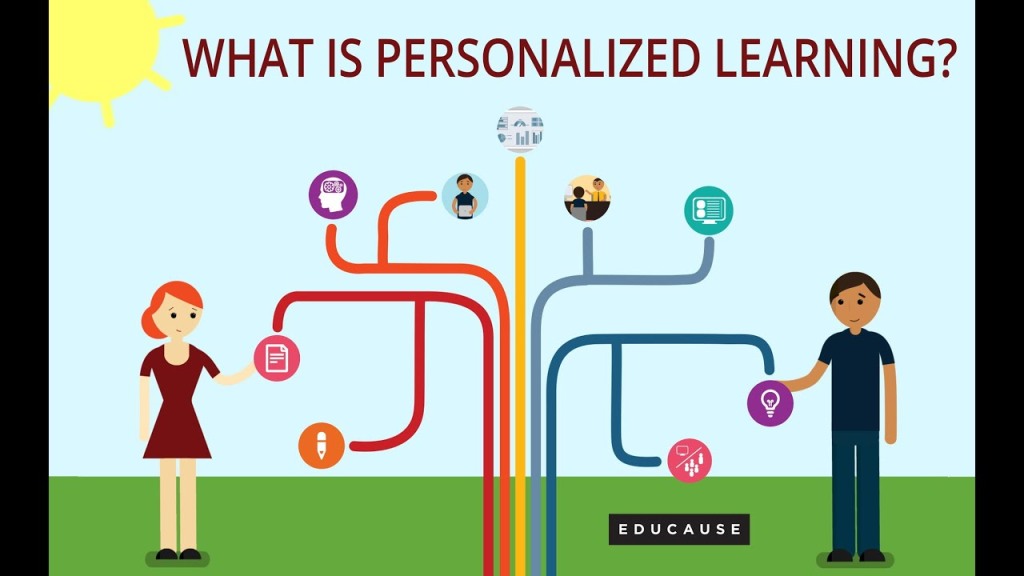
Personalized Education: The Key to Unlocking Potential
Education is a fundamental pillar of society, shaping the minds and futures of individuals. However, traditional schooling systems often struggle to cater to the unique needs and learning styles of each student. Enter personalized education – an innovative approach that aims to provide tailored learning experiences for students.
At its core, personalized education recognizes that not all learners are alike. Each student possesses distinct strengths, weaknesses, interests, and motivations. By customizing teaching methods and curriculum content according to individual needs, personalized education empowers students to reach their full potential.
One of the primary benefits of personalized education is its ability to foster engagement in learners. When students feel seen and understood by their teachers, they become more motivated and invested in their own education journey. Personalization allows educators to tap into each student’s passions and interests when designing lessons, making learning more enjoyable and meaningful.
Moreover, personalized education promotes a deeper understanding of concepts by catering instruction to different learning styles. While some students thrive in visual or auditory environments, others may learn better through hands-on activities or discussions. By adapting instructional strategies accordingly, teachers enable students to grasp information effectively.
Another advantage lies in the flexibility offered by personalized education. Traditional classrooms often have rigid schedules that leave little room for individual growth or exploration outside the set curriculum. In contrast, a customized approach allows for self-paced learning where students can delve deeper into topics they find fascinating while spending additional time on challenging subjects.
Furthermore, personalized education nurtures critical thinking skills by encouraging independent thought rather than rote memorization. Students are empowered to ask questions and explore various perspectives on subject matter within a safe space created by supportive educators fostering open dialogue.
In recent years, technology has played an increasingly significant role in enabling personalization within educational settings. Adaptive software programs can assess individual abilities and adjust difficulty levels accordingly while providing real-time feedback for improvement areas—a valuable tool for both teachers and learners seeking growth.
Despite the numerous benefits, personalized education does face some challenges. Limited resources and time constraints can hinder its implementation on a large scale. Additionally, educators need adequate training and support to effectively personalize instruction for diverse students.
In conclusion, personalized education holds immense potential in revolutionizing traditional schooling systems to better serve students’ individual needs. By acknowledging and accommodating different learning styles, interests, and paces of learning, personalized education empowers students to become active participants in their own educational journey. As technology continues to advance and society evolves, it is crucial that we embrace this approach for the betterment of our future generations.
 Alternative Amie
Leave a comment