Unconventional Approaches to Teaching Math
Mathematics has often been perceived as a challenging and dull subject, leading many students to disengage from it. However, alternative schools have been exploring unconventional approaches to teaching math that can make the subject more accessible and engaging for learners.
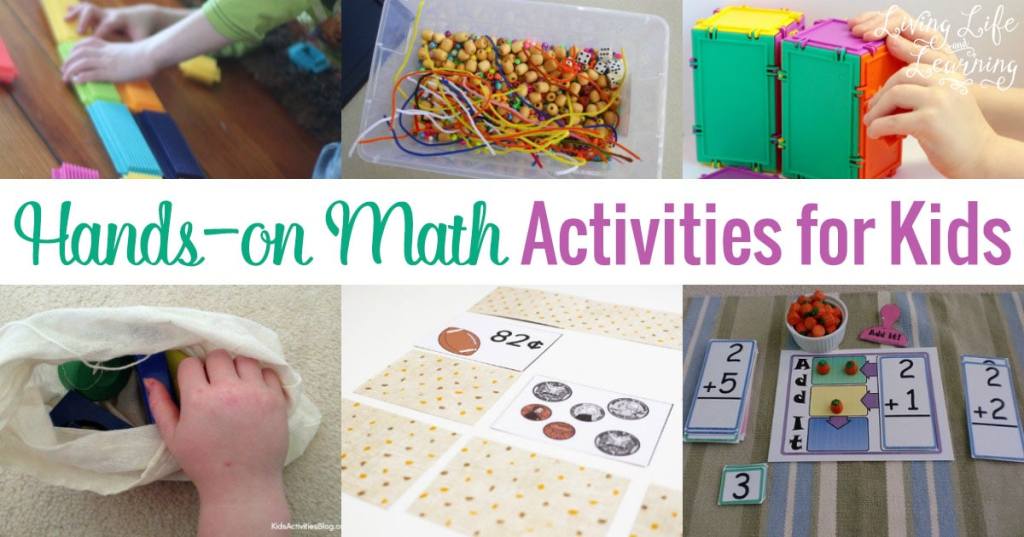
One such approach is incorporating hands-on activities and real-life examples in the curriculum. Instead of relying solely on textbooks and abstract concepts, teachers in alternative schools encourage students to solve math problems using manipulatives or through practical applications. This approach not only helps students understand mathematical concepts better but also allows them to see the relevance of math in their daily lives.
Another unconventional method is integrating technology into math lessons. Alternative schools utilize educational software, online resources, and interactive games that enhance student engagement with mathematical concepts. By making use of technology tools like graphing calculators or geometry apps, students can visualize complex ideas more easily.
Additionally, some alternative schools adopt a project-based learning (PBL) approach for teaching mathematics. PBL involves assigning open-ended projects that require critical thinking skills and problem-solving abilities. Students are given the freedom to explore different strategies and come up with their own solutions while applying mathematical principles.
Moreover, mindfulness practices have proven effective in reducing stress levels among students during math classes. Incorporating mindfulness techniques such as deep breathing exercises or short meditation sessions before starting a math lesson can help create a calm environment conducive to learning.
By implementing these unconventional approaches to teaching math, alternative schools aim to foster a positive attitude towards the subject while nurturing critical thinking skills and real-world application abilities among their students.
(Word count: 250 words)
 Alternative Amie
Leave a comment