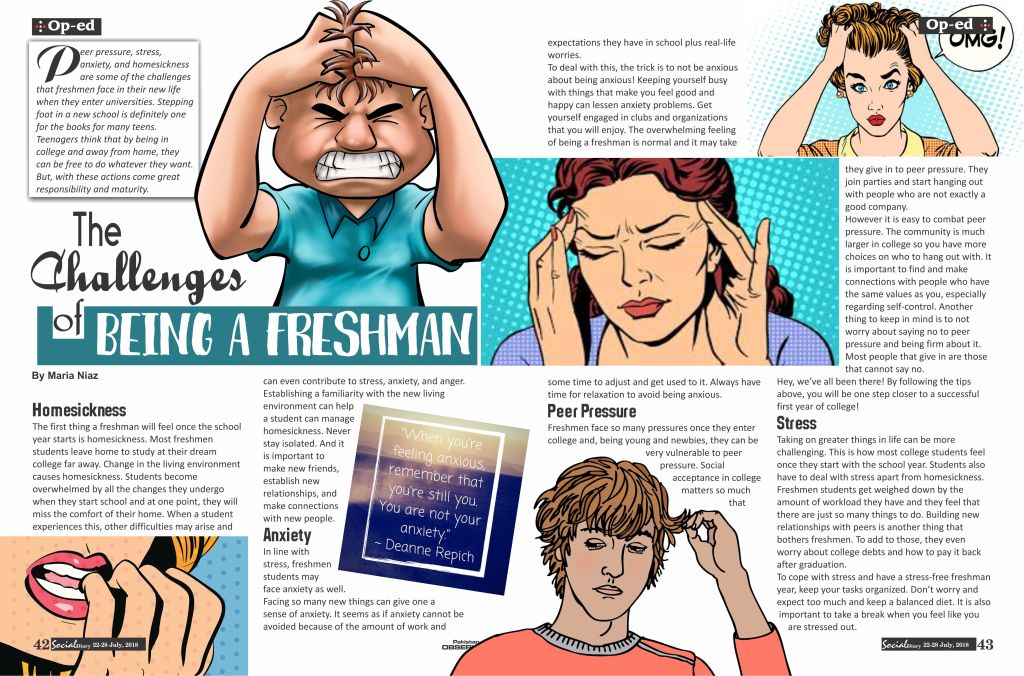
Challenges of Early College Education
For many high school students, the idea of starting college early can be both exciting and daunting. Early college education programs offer motivated students the opportunity to earn college credits while still in high school, giving them a head start on their higher education journey. However, this unique educational path also comes with its fair share of challenges. In this article, we will explore some of the key challenges that students may face during their early college experience.
1. Academic Rigor:
One of the most significant challenges for early college students is adjusting to the increased academic rigor. College-level courses are more demanding than typical high school classes, requiring greater independence and self-discipline. Students need to adapt quickly to challenging coursework, rigorous schedules, and higher expectations from professors.
2. Time Management:
Early college students often find themselves juggling multiple responsibilities simultaneously – attending high school classes during the day and taking college courses in the evening or online. This requires excellent time management skills to balance assignments, exams, extracurricular activities, part-time jobs (if applicable), and personal commitments effectively.
3. Maturity and Independence:
Transitioning from a traditional high school environment to a college setting can be overwhelming for some early college students who may not yet have fully developed their maturity or independence levels. They must navigate through an unfamiliar academic landscape where they are treated as responsible adults rather than teenagers.
4. Social Adjustment:
Early college students might find it challenging to forge new friendships due to age differences with their older classmates at the colleges they attend for courses or online interactions lacking face-to-face connections. Additionally, these individuals often miss out on traditional high school experiences like proms or sporting events since they spend much of their time focused on academics.
5. Balancing Dual Responsibilities:
Simultaneously managing requirements from both high school and college can be quite demanding for early college students; they must ensure that all assignments are completed on time and meet the expectations of both their high school and college professors. This balancing act requires exceptional organizational skills and effective communication with teachers from both educational institutions.
6. Lack of Support:
Early college students may face a lack of support or guidance from their high schools, as this form of education is still relatively new in many places. High school counselors may not be adequately equipped to provide advice on navigating the complexities of early college, leaving students feeling lost or overlooked.
7. Financial Considerations:
While early college can save students money by earning credits at a reduced cost, there are still financial considerations to take into account. Textbooks, transportation costs if attending physical classes off-campus, and any additional fees associated with taking college courses can add up quickly for budget-conscious families.
8. Emotional Stress:
The pressure to succeed academically while simultaneously managing multiple responsibilities can lead to increased levels of stress for early college students. They may experience anxiety related to meeting deadlines or performing well in challenging courses, which could impact their overall mental well-being.
9. Limited Extracurricular Opportunities:
Participating in extracurricular activities is an essential part of the high school experience that offers personal growth opportunities outside the classroom setting. However, early college commitments often leave little time for participation in traditional high school clubs, sports teams, or community service activities that help develop well-rounded individuals.
10. Transitioning to Full-Time College:
While early college programs provide an excellent foundation for higher education, transitioning from part-time enrollment during high school to full-time enrollment at a traditional four-year university can present its own set of challenges later on. Early college students must navigate potential credit transfer issues and adjust once again to new academic environments and social dynamics upon entering full-time university life.
In conclusion, while early college education offers numerous benefits such as accelerated learning and cost savings, it also presents several unique challenges for motivated high school students pursuing this path. By acknowledging and understanding these challenges in advance, students and their support systems can better prepare for a successful early college experience. With the right mindset, dedication, and access to resources, early college students can overcome these obstacles and thrive academically.
 Alternative Amie
Leave a comment