Music and Movement in the Classroom: Harmonizing Education with Fun!
Education is not just about textbooks, lectures, and exams. It’s also about creating an atmosphere that stimulates learning and engages students on a deeper level. One way to achieve this is by incorporating music and movement into the classroom setting.
Why Music? Because it has a magical effect on our brains! Numerous studies have shown that music can improve focus, enhance memory retention, reduce stress levels, and even promote creativity. So why not use this powerful tool to create an environment where children can thrive?
Let’s start with some simple ideas for integrating music into daily classroom activities. Begin each day with a lively song that gets everyone moving and grooving. This will help energize both teachers and students, setting the stage for a productive day ahead.
During lessons, try using background music related to the topic being taught. For example, when discussing historical events or cultures from around the world, play traditional songs from those time periods or regions. Not only does this foster cultural understanding but it also helps students make connections between what they’re learning and real-life experiences.
Music can be particularly effective during language arts classes too. Encourage students to write their own lyrics based on literary works they are studying. By turning classic literature into catchy tunes, you’ll find that comprehension improves dramatically while making learning more enjoyable.
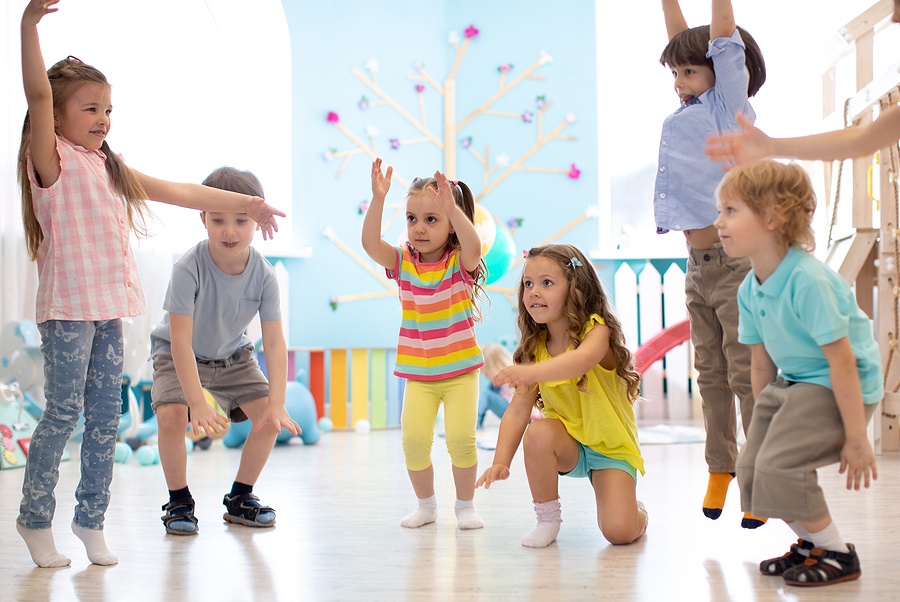
But let’s not limit ourselves to just listening to music – let’s get moving! Incorporating movement breaks throughout the day can do wonders for student engagement and focus. Take short dance breaks between subjects or after completing challenging tasks as rewards for hard work.
Furthermore, physical activity has been proven to boost brain function by increasing blood flow and oxygenation in the body – so why not combine exercise with academics? Create interactive games where students must move around while answering questions related to what they’ve learned.
For younger learners who may struggle with sitting still for long periods of time, consider implementing “brain breaks” using movement-based songs or dances. These short bursts of physical activity help release excess energy while improving concentration.
Music and movement can also be used as a classroom management tool. Instead of simply asking students to line up quietly, try playing a fun song that signals it’s time to transition. This not only adds an element of excitement but also helps establish routine and structure within the classroom.
In conclusion, incorporating music and movement into the classroom is a win-win for both teachers and students. By harnessing the power of music, we can create an atmosphere where learning becomes enjoyable, engaging, and memorable. So don’t be afraid to turn up the volume and let the rhythm guide your educational journey!
 Alternative Amie
Leave a comment