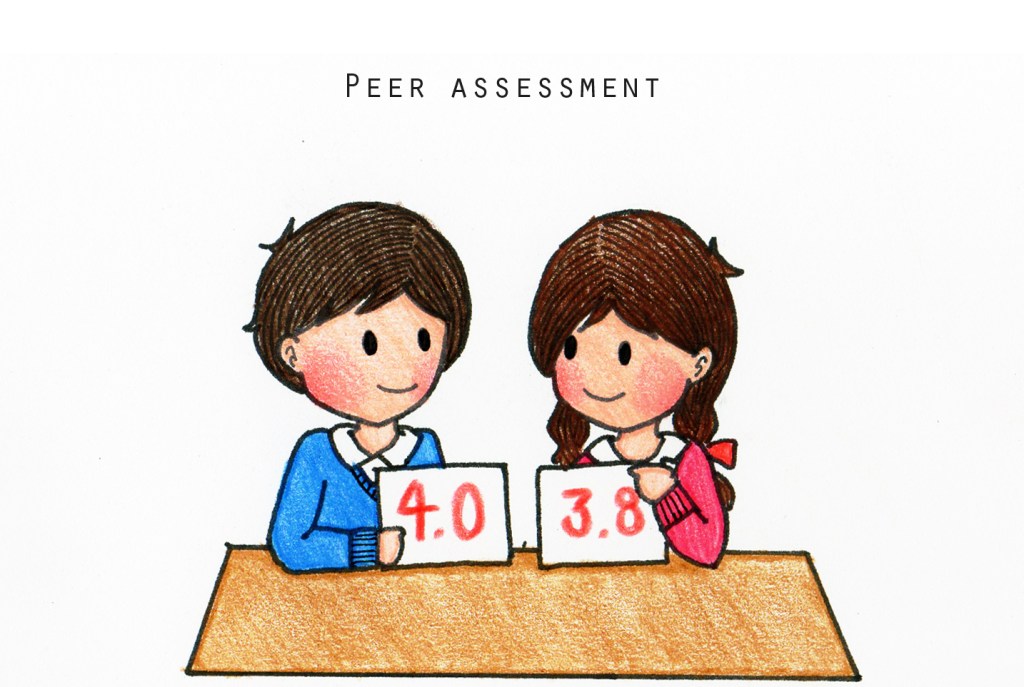
In recent years, alternative schooling has gained recognition for its unique approaches to education. These schools often prioritize individualized learning, hands-on experiences, and collaborative projects. One method that is commonly used in alternative education settings is peer assessment.
Peer assessment refers to the process in which students evaluate their peers’ work or performance based on predetermined criteria. This practice not only provides valuable feedback but also promotes self-reflection and critical thinking skills. Let’s explore the impact of peer assessment on various aspects of alternative schooling.
One area where peer assessment can have a significant impact is on students’ self-esteem. In traditional educational settings, students often rely heavily on teacher evaluations for validation and recognition. However, in alternative schools that emphasize student autonomy and responsibility, peer assessment allows students to take ownership of their learning journey. By receiving feedback from their peers, students develop a sense of confidence and pride in their abilities.
Project-based learning (PBL) is another key component of alternative education. Peer assessment strategies play a crucial role in PBL by encouraging collaboration among students. When working on complex projects together, students learn to value diverse perspectives and contribute meaningfully to the group’s success. Peer assessments ensure that everyone has an equal voice while promoting accountability within the team.
It is essential to address potential biases and inequalities within peer assessment practices in alternative schools. Teachers should provide clear guidelines and criteria for evaluation to minimize subjective judgment or favoritism among students. Additionally, educators must create an inclusive environment where diversity is celebrated rather than ignored during the peer assessment process.
In online alternative learning environments, implementing effective peer assessments can be challenging due to limited face-to-face interaction. However, with the help of technology tools such as online discussion boards or video conferencing platforms, teachers can facilitate virtual peer assessments effectively.
Peer assessment also serves as a tool for evaluating practical skills within alternative education contexts. Whether it’s assessing artistic creativity or problem-solving abilities, peers provide valuable insights and suggestions for improvement. This allows students to refine their skills and gain a deeper understanding of their strengths and areas for growth.
Teacher guidance and support are crucial in facilitating meaningful peer assessment experiences. Educators should provide clear instructions, model effective feedback, and offer guidance throughout the process. By doing so, teachers can ensure that peer assessments are fair, constructive, and focused on growth rather than criticism.
Ethical considerations such as confidentiality also need to be taken into account when implementing peer assessment in alternative education settings. Students must understand the importance of respecting each other’s work while maintaining privacy.
Cultural diversity within multicultural alternative schools adds another layer of complexity to peer assessments. Teachers should encourage open dialogue about different perspectives and ensure that biases or stereotypes do not influence evaluations.
Peer feedback can serve as a powerful formative assessment tool in personalized learning approaches within alternative schooling. By receiving timely feedback from their peers, students can make adjustments to their learning strategies or goals accordingly.
Inclusive peer assessment practices are essential for supporting students with special needs in alternative education settings. Teachers must consider individual differences while designing evaluation criteria and provide necessary accommodations or adaptations to ensure an equitable experience for all students.
The relationship between self-regulated learning (SRL) and effective peer assessments is worth investigating further in alternative education research. SRL skills such as goal setting, self-monitoring, and reflection align closely with the peer assessment process, creating opportunities for enhanced metacognitive awareness among students.
Gender dynamics may also influence how peers evaluate each other’s work within coeducational alternative schools. It is important to create an inclusive environment where gender biases do not affect the fairness or accuracy of assessments.
For arts-focused alternative schools, incorporating peer review processes into student presentations or performances provides valuable insights from fellow artists or performers who understand the nuances of the discipline better than anyone else.
Reflective peer assessments further promote metacognitive awareness by encouraging students to think critically about their own thinking and learning processes. By reflecting on their peers’ work, students gain a deeper understanding of their own strengths and areas for improvement.
In conclusion, peer assessment plays a vital role in alternative schooling by promoting collaboration, self-reflection, and critical thinking skills. Teachers must address potential biases, provide guidance and support, and create an inclusive environment to ensure the effectiveness of peer assessments. With careful implementation, peer assessment can be a powerful tool for fostering student autonomy, personal growth, and success within alternative education settings.
 Alternative Amie
Leave a comment