Welcome to our panel discussion on Waldorf toys and materials! Today, we have gathered a group of experts who are passionate about alternative schooling and education to share their insights on the beauty and benefits of Waldorf-inspired playthings. Let’s dive right into the conversation.
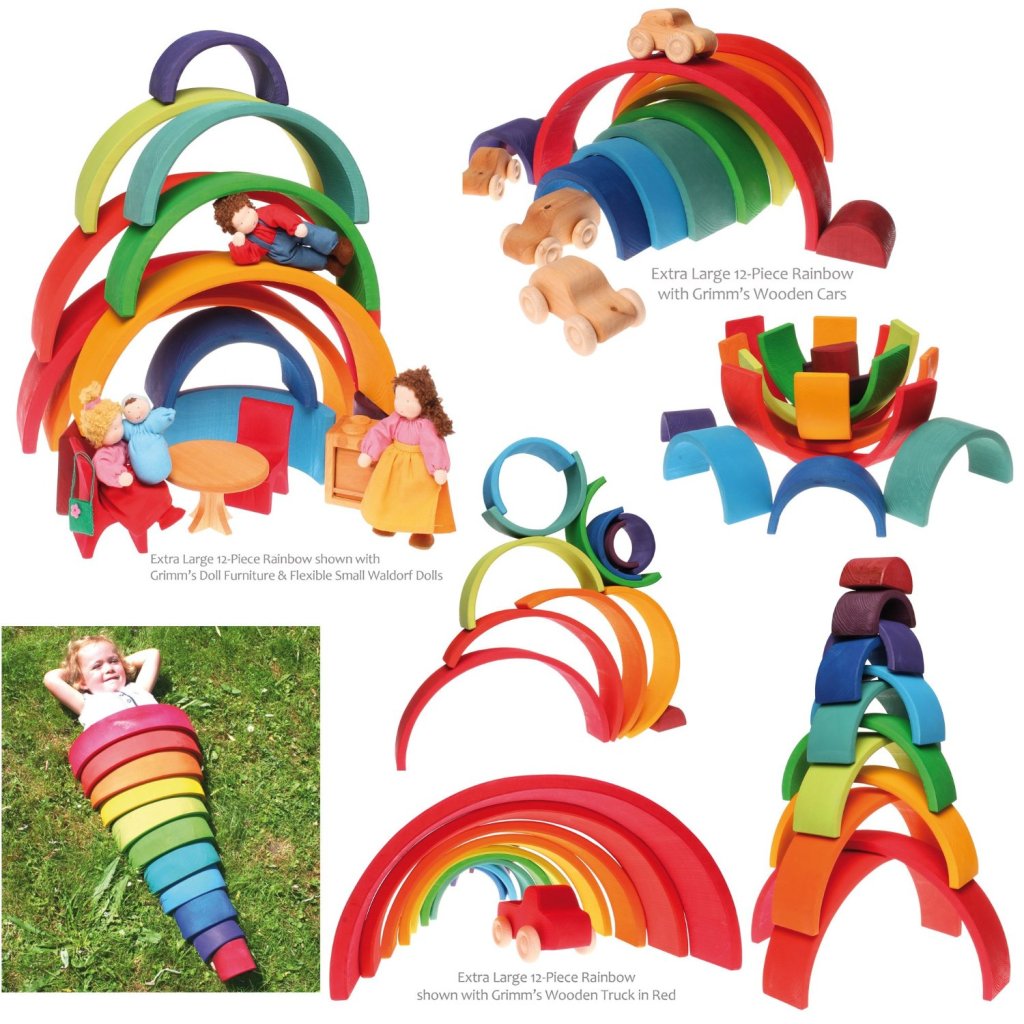
Panelist 1: As a former Waldorf teacher, I have seen firsthand how carefully curated toys and materials can foster creativity, imagination, and holistic development in children. One of the key principles of Waldorf education is to provide natural materials that engage multiple senses. Soft woolen dolls, wooden blocks, silk scarves – these items encourage open-ended play and allow children to bring their own imaginations to life.
Panelist 2: Absolutely! I believe that by offering simple yet versatile objects like wooden animals or handcrafted puzzles, children can explore various aspects of the world around them while also developing fine motor skills. These tactile experiences help build a strong foundation for future learning.
Panelist 3: I couldn’t agree more. What sets Waldorf toys apart is their emphasis on nature-inspired elements. Natural fibers such as cotton or wool not only feel pleasant in a child’s hands but also connect them with the sensory world in a meaningful way. Moreover, using organic dyes ensures safety for little ones who might put these toys in their mouths.
Panelist 4: Speaking from personal experience as a parent, I find that Waldorf toys promote healthy imaginative play without relying on technology or predetermined narratives found in many mainstream options today. By leaving room for interpretation, children are encouraged to create stories based on their own thoughts and feelings rather than preconceived notions imposed upon them.
Panelist 5: That’s an excellent point! The simplicity of these toys encourages mindfulness in both children and adults alike. When surrounded by fewer distractions provided by blinking lights or loud noises from electronic devices, kids are more likely to focus deeply on any given activity at hand – be it building with blocks or dressing up dolls.
Panelist 6: Absolutely, and it’s not just about the toys themselves but also how they are used in a Waldorf-inspired environment. Teachers and parents play a crucial role in guiding children’s playtime by giving them space to explore and create freely. By fostering an atmosphere of trust and respect, we empower children to develop their own unique abilities.
Panelist 1: That’s why I believe investing in quality Waldorf materials is worth every penny – they offer long-lasting value. These toys can be passed down from generation to generation, creating a sense of continuity and connection within families.
Moderator: Thank you all for sharing your valuable insights on Waldorf toys and materials today. It is clear that these thoughtfully crafted items have numerous benefits for children, promoting creativity, imagination, mindfulness, and holistic development. Whether you are an educator or a parent seeking alternatives to mainstream toys, exploring the world of Waldorf-inspired playthings is definitely worth considering.
 Alternative Amie
Leave a comment