Benefits of Small Class Sizes
In the realm of education, small class sizes have long been hailed as a favorable approach for student learning and development. The advantages that come with smaller classes extend beyond mere numbers, fostering an environment conducive to holistic growth. This article will explore the various benefits of small class sizes and shed light on why they are preferred by many educators.
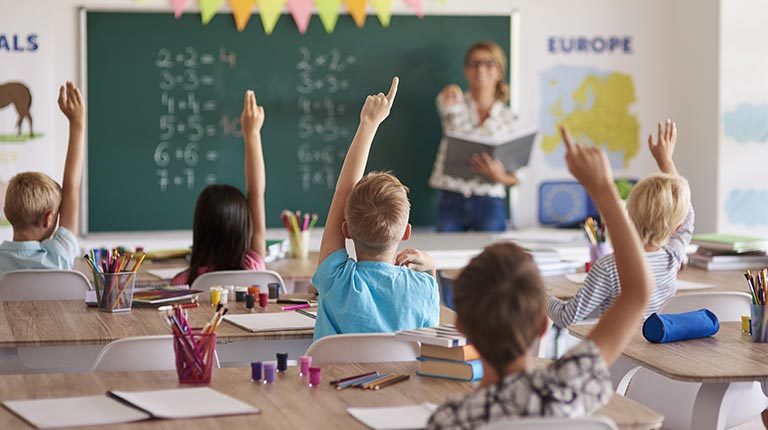
Firstly, smaller classes allow for greater individual attention from teachers. With fewer students to manage, instructors can dedicate more time to each student’s needs, providing personalized guidance and support. This individualized approach enables teachers to identify and address specific strengths and weaknesses, tailoring their instruction accordingly. As a result, students receive targeted assistance that helps them progress at their own pace while feeling valued and supported in their educational journey.
Moreover, small class sizes promote stronger student-teacher relationships. In larger classrooms where the teacher-student ratio is high, it becomes challenging for educators to establish meaningful connections with each child. In contrast, smaller classes foster a sense of familiarity and intimacy between students and teachers; this creates an atmosphere where students feel comfortable expressing themselves openly and seeking help when needed. These close bonds enable teachers to better understand their students’ unique personalities, learning styles, interests, and challenges – consequently enhancing the overall quality of education provided.
Furthermore, community involvement thrives in small schools due to their intimate setting. Small class sizes often coincide with smaller school populations as a whole; this fosters a tight-knit community where everyone knows one another on a deeper level. Parents are more likely to be actively engaged in school activities when they feel connected to the institution through personal relationships with faculty members or other families within the community. Consequently, this heightened engagement positively impacts students’ educational experiences by creating additional support systems both inside and outside the classroom.
Another advantage of small schools lies in their ability to design tailored curricula aligned with individual student needs. Rather than adhering strictly to standardized educational programs, small schools have the flexibility to adapt their curriculum to meet the unique needs and interests of their students. This approach promotes a more engaging and relevant learning experience, catering to diverse learning styles and encouraging student autonomy. By empowering students to take ownership of their education, small schools cultivate a love for learning that extends beyond traditional academic boundaries.
In recent times, technology has become an integral part of education. Small schools can effectively integrate technology into their classrooms due to their manageable class sizes. With fewer students to assist, teachers can provide personalized instruction on how to use technological tools effectively while ensuring each student has access to necessary resources. The integration of technology in small schools enhances teaching strategies and broadens educational opportunities by incorporating multimedia elements, online research tools, and interactive platforms that facilitate collaborative learning.
Small schools often seize the opportunity for outdoor education experiences that may not be feasible in larger institutions. With smaller groups of students, educators can organize field trips and outdoor activities more easily – taking advantage of local natural or cultural landmarks as extensions of the classroom. These hands-on experiences expose students to real-world applications of knowledge learned in textbooks while promoting teamwork, problem-solving skills, and appreciation for nature.
The integration of arts and creativity is another hallmark feature found in many small schools. Recognizing the importance of nurturing creative expression alongside academic pursuits, these institutions prioritize arts education as an essential part of the curriculum. Smaller classes allow teachers to dedicate ample time for artistic exploration through music lessons, visual arts workshops, drama performances, or dance rehearsals. Such activities not only foster self-expression but also enhance cognitive development by stimulating imagination and critical thinking skills.
In addition to academics and creative pursuits, social-emotional learning (SEL) plays a vital role in small school environments. Educators understand that fostering emotional intelligence is crucial for overall student well-being; therefore SEL programs are commonly integrated into daily routines within these settings. Through open discussions about emotions and interpersonal relationships, students develop empathy, self-awareness, and positive social skills. Small class sizes enable teachers to give individual attention to each student’s emotional needs, ensuring their overall growth and happiness.
Small school leadership and administration also play a significant role in creating a supportive educational environment. In these institutions, the administrative team works closely with teachers, parents, and students to establish clear goals and maintain effective communication channels. Administrators can readily address concerns raised by stakeholders due to the manageable size of the school community. This collaborative approach strengthens trust among all members involved while promoting a sense of shared responsibility for the success and well-being of every student.
In conclusion, small class sizes offer numerous benefits that contribute positively to both academic achievement and personal development. From individualized attention and stronger teacher-student relationships to tailored curricula and holistic approaches like SEL programs – small schools provide an ideal atmosphere for fostering engaged learners who are well-prepared for future challenges. By recognizing these advantages, educators can strive towards creating environments where every child thrives academically, emotionally, creatively, and socially.
 Alternative Amie
Leave a comment