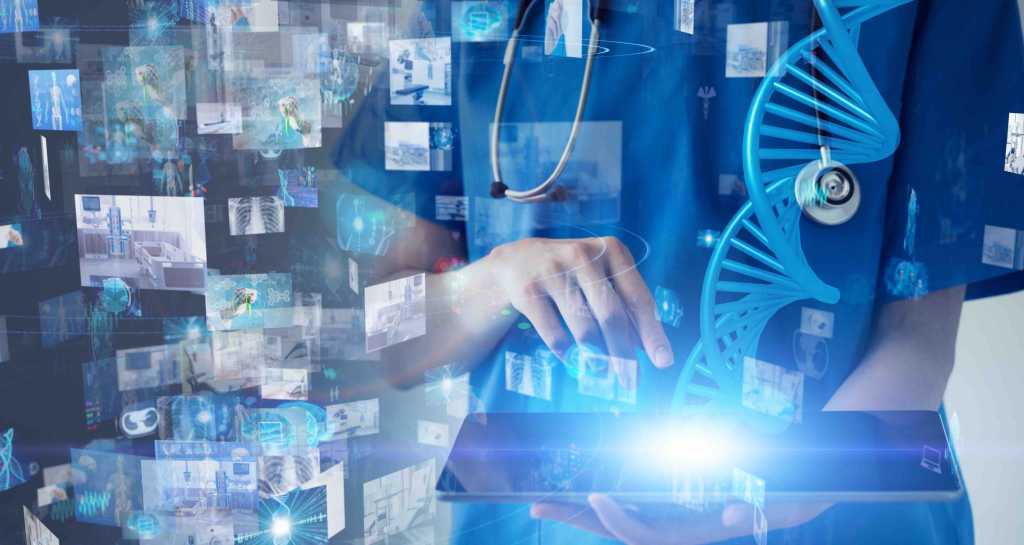
Medical Technology and Innovation: Transforming Healthcare in the 21st Century
In the fast-paced world of healthcare, technology has become an indispensable tool that is revolutionizing the way we diagnose, treat, and manage diseases. From robotic surgery to telemedicine, medical technology and innovation have opened up new possibilities for improving patient care and outcomes. In this article, we will explore some of the remarkable advancements in medical technology that are reshaping the landscape of healthcare.
One area where medical technology has made significant strides is diagnostics. Traditional methods often required invasive procedures or time-consuming lab tests to identify diseases accurately. However, with innovations like molecular diagnostics and genetic testing, physicians can now detect illnesses at an early stage with greater precision than ever before. These tests not only help diagnose various conditions but also enable doctors to develop personalized treatment plans tailored to each patient’s unique genetic makeup.
Advancements in imaging technologies have also transformed the field of radiology. Magnetic Resonance Imaging (MRI), Computed Tomography (CT) scans, and Positron Emission Tomography (PET) scans provide detailed images of internal organs and bodily structures without invasive procedures. These non-invasive imaging techniques allow physicians to make more accurate diagnoses quickly, leading to timely interventions and improved patient outcomes.
Surgical procedures have been dramatically enhanced by technological innovations as well. Robotic-assisted surgeries have gained popularity due to their precision and minimally invasive nature. Surgeons can now perform complex operations using robotic arms controlled by skilled professionals who operate from a console nearby. This advancement reduces surgical risks while allowing for faster recovery times for patients.
The advent of telemedicine has brought about a paradigm shift in healthcare delivery systems worldwide. With video conferencing tools becoming more accessible, remote consultations between doctors and patients are now possible across vast distances or even from home settings during emergencies or pandemics when physical interaction may be limited or restricted altogether.
Another area where technology plays a crucial role is in the management of chronic diseases. Smart wearables, such as fitness trackers and glucose monitors, are now capable of continuously monitoring vital signs and collecting valuable data for healthcare providers. This real-time information allows doctors to track patients’ progress remotely, make timely interventions when necessary, and personalize treatment plans based on individual needs.
In recent years, artificial intelligence (AI) has emerged as a powerful tool in healthcare. AI algorithms can analyze vast amounts of medical data to identify patterns and predict outcomes with remarkable accuracy. These predictive models aid physicians in making informed decisions about treatment options while also assisting in the early detection of diseases.
Moreover, electronic health records (EHRs) have streamlined patient care by digitizing medical information previously stored on paper. EHR systems enable secure sharing of patient data between healthcare providers, reducing errors caused by miscommunication or lost paperwork. With instant access to complete medical histories, physicians can provide more comprehensive and efficient care.
While medical technology continues to evolve at a rapid pace, it is essential not to overlook the importance of proper training for healthcare professionals using these innovations. The integration of technology into medical education curricula ensures that future generations of doctors are adequately prepared for the challenges and opportunities presented by these advancements.
In conclusion, medical technology and innovation have revolutionized healthcare delivery across various domains. From diagnostics to surgery and remote consultations to chronic disease management – these advancements have improved patient outcomes while enhancing efficiency for healthcare providers. As we embrace these transformative technologies further, it becomes crucial that we foster an environment that encourages collaboration between researchers, clinicians, educators, and policymakers – ensuring that future breakthroughs continue to shape a better tomorrow for all through alternative schooling methods emphasizing technological understanding from an early age
 Alternative Amie
Leave a comment