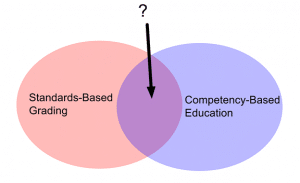
Competency-based grading is a revolutionary approach to assessing student learning that focuses on mastery of specific skills rather than traditional letter grades. This method shifts the emphasis from seat time and memorization to a more personalized and meaningful education experience. By measuring students’ proficiency in key areas, competency-based grading promotes deeper understanding, critical thinking, and real-world application of knowledge.
One of the primary advantages of competency-based grading is its ability to cater to individual student needs. Instead of forcing all students to progress at the same pace, this approach allows each student to work at their own speed and level. Students who grasp concepts quickly can move ahead without being held back by their peers, while those who need additional support can take the time they need without feeling rushed or overwhelmed.
Moreover, competency-based grading encourages active engagement in the learning process. Rather than focusing solely on test scores or completion of assignments, this system requires students to demonstrate their understanding through performance tasks or projects that mirror real-life scenarios. This not only enhances their comprehension but also prepares them for future challenges beyond school walls.
Additionally, competency-based grading provides continuous feedback that helps both students and educators track progress effectively. Traditional grading systems often provide limited insights into a student’s strengths and weaknesses as they rely heavily on summative assessments such as exams or standardized tests. In contrast, with competency-based grading, ongoing formative assessments are integrated into daily instruction and activities. This enables teachers to identify areas where students may be struggling early on so that appropriate interventions can be implemented promptly.
Furthermore, one of the significant benefits of adopting competency-based grading is its focus on intrinsic motivation rather than external rewards or punishments associated with traditional grades. When students are given clear learning targets and have control over their own progress towards mastery, they become more self-directed learners who actively seek out opportunities for growth and improvement.
Critics argue that implementing competency-based grading might pose challenges in terms of consistency across classrooms or schools due to varying interpretations of the competency standards. However, this can be addressed through clear guidelines and ongoing professional development for educators to ensure a shared understanding of expectations.
Another concern raised is the potential difficulty in transitioning from traditional grading systems to competency-based models, particularly when it comes to college admissions or standardized testing requirements. While these concerns are valid, many colleges and universities have already recognized the value of competency-based education and are adapting their admission processes accordingly. Moreover, students who have experienced personalized learning through competency-based approaches often excel in higher education as they are equipped with critical thinking skills, adaptability, and self-motivation.
In conclusion, competency-based grading offers numerous advantages over traditional grading systems by fostering individualized learning experiences that prioritize mastery of essential skills. By shifting the focus from grades to proficiency, this approach promotes deeper understanding, active engagement in learning, continuous feedback, and intrinsic motivation among students. As more schools embrace this innovative approach to assessment, we can expect to see better educational outcomes for all learners.
 Alternative Amie
Leave a comment